Home › Wildlife Removal › Attic Cleanup & Sanitization
Respirator-grade cleanup · Honest scoping · Insulation restored
Attic Cleanup & Sanitization: What the Animal Left Behind
Getting the animal out is half the job. What it left behind (droppings, urine-soaked insulation, nesting debris, and scent that advertises the den to the next animal) stays until someone removes it. Acorn Wildlife cleans and sanitizes attics after wildlife, assesses insulation honestly, and tells you plainly when a small cleanup is enough and when it isn't.
Short answer: Acorn Wildlife removes droppings and contaminated insulation under HEPA filtration, treats the attic with an enzymatic disinfectant, deodorizes the den scent that attracts new animals, and restores insulation where it's warranted. Jobs range from small spot cleanups to full restorations, and the included inspection tells you honestly which one you need.
Is What's in My Attic Actually Dangerous?
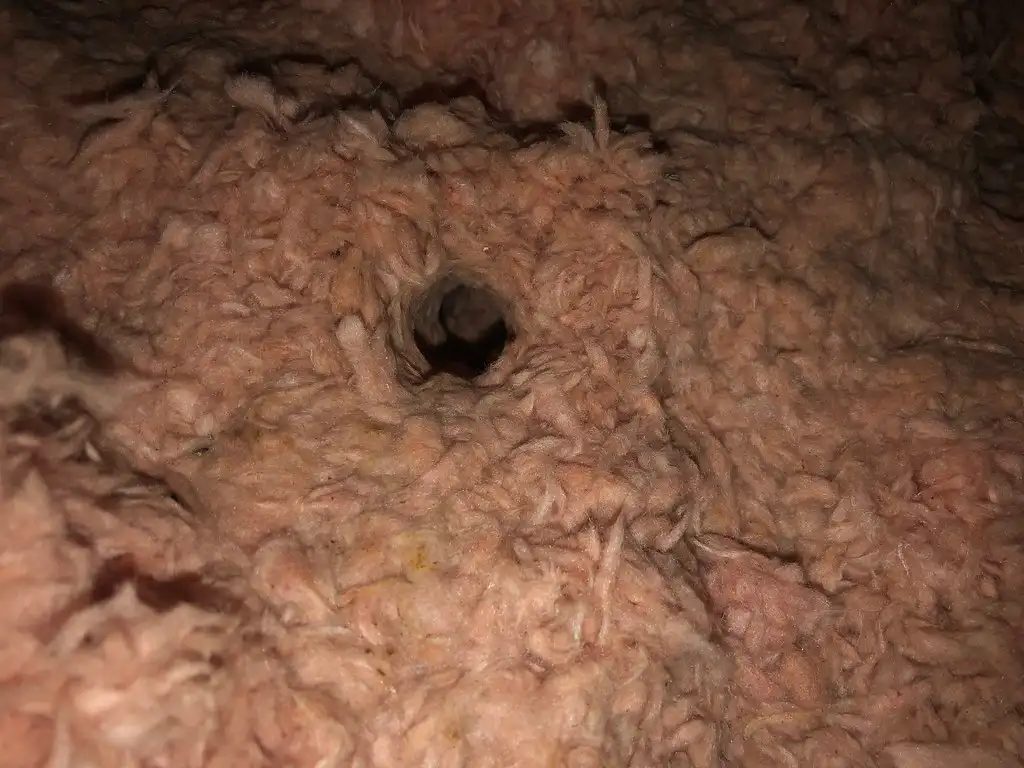
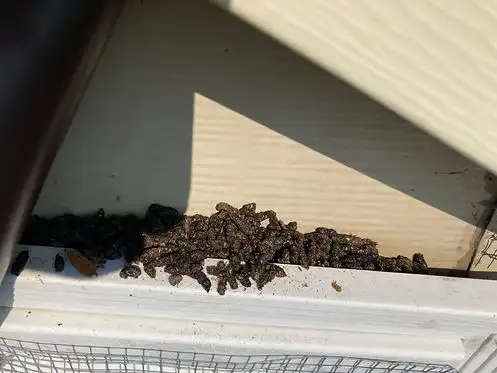
The specifics, with sources rather than scare copy. Raccoon latrines can contain Baylisascaris procyonis (raccoon roundworm) eggs, which the CDC identifies as capable of causing serious illness if accidentally ingested, and which survive in dried droppings for years. Histoplasma, per the CDC, grows in soil and material enriched with bat or bird droppings, and people get histoplasmosis by breathing spores stirred up when that material is disturbed: most exposed people never get sick, but disturbing an accumulation without protection is exactly the wrong move. The honest local note: histoplasmosis is more common in the Ohio and Mississippi River valleys than in New Jersey, and we tell you that rather than borrowing fear. Rodent droppings carry their own list, and urine-soaked insulation holds odor and bacteria long after the mice are gone. The practical rule covering all of it: don't disturb dry droppings, and don't crawl through contaminated insulation without a respirator. That's not upsell; it's why our crews suit up.
Short answer: It can be, and honesty means being specific. Raccoon droppings can carry roundworm eggs that are genuinely hazardous. Accumulated bat guano and bird droppings can host the fungus that causes histoplasmosis. Rodent droppings and urine can carry disease and soak insulation. None of it is a panic; all of it is a respirator job, not a shop-vac job.
Does My Insulation Need to Be Replaced?
Here's the honest assessment scale we use on South Jersey attics. Light contamination (scattered droppings along a travel route, insulation still lofted) gets spot removal and treatment. Moderate (a latrine or nest area, urine staining you can see and smell, insulation crushed along highways) gets sectional removal and replacement, blended to the existing depth. Heavy (a long-term den or bat colony above the insulation line, widespread saturation, odor reaching living space) is a full strip-out: everything comes out in sealed bags, the deck is treated, and new insulation goes in at current code depth. The quiet upside of the worst case: a full restoration usually leaves the attic better insulated than it's been in decades, and heating bills notice. What we won't do is quote a full strip-out for a two-square-foot latrine; the photo map keeps everyone honest.
How the Cleanup Actually Works
Every cleanup follows removal and exclusion: there's no point sanitizing an attic that's still open. The order of the full job is always animal out, entries sealed, then cleanup.
1. Contain and Remove
Droppings, nesting material, and contaminated insulation are removed under HEPA-filtered vacuum and sealed in bags, never carried loose through your house. Crews work in respirators and suits, and the attic hatch gets protected so nothing rides down on the way out.
2. Sanitize and Deodorize
The attic deck and framing get an enzymatic disinfectant treatment that breaks down biological residue rather than perfuming over it, followed by deodorizing. The deodorizing step is not cosmetic: den scent is an advertisement, and a raccoon can smell that your attic worked for the last raccoon. Removing the scent is part of keeping the exclusion work from ever being tested.
3. Restore
Removed insulation is replaced and blended to depth, or the attic is re-insulated fully after a strip-out. Damaged bath-fan ducting or chewed wiring found along the way gets documented with photos for you or your electrician; we fix what's ours to fix and flag what isn't. The finished attic is photographed so you can see the after without climbing up.
Free · No obligation
Every Acorn Job Starts With a Free Inspection
Before we quote a dollar of work, a licensed technician walks the whole property — roofline, soffits, vents, chimney, the full foundation line, the attic or crawl space, the decks and the yard — and finds every opening an animal is using, plus the ones it would use next. It takes as long as it takes: often an hour, sometimes two. There is no charge for the visit.
✓ Free whether or not you hire us
✓ No call-out fee, no minimum, no signature on the day
✓ Every entry point photographed and shown to you
✓ A written quote priced off what was actually found
Ready for a Clean, Sealed, Scent-Free Attic?
Photo-documented assessment, honest scope, respirator-grade cleanup. One written quote.