Home › Wildlife Removal › Rodent Control
Rats · Mice · Squirrels · One sealed house
Rodent Control in South Jersey
Rodent is the word people reach for when something is gnawing and they do not know what. Fair enough: rats, mice, and squirrels are all rodents, they all chew, and they all get into South Jersey homes. But the right plan depends on which one you have. This page is Acorn Wildlife's hub for telling them apart, and it links down to the dedicated program for each.
Short answer: Rodent control at Acorn Wildlife starts with identification, because rats, mice, and squirrels need different programs. All three share the same ending: a trapping or exclusion plan matched to the species, no poison indoors, and whole-home sealing under our Seal-Tight Warranty so the next rodent stays outside.
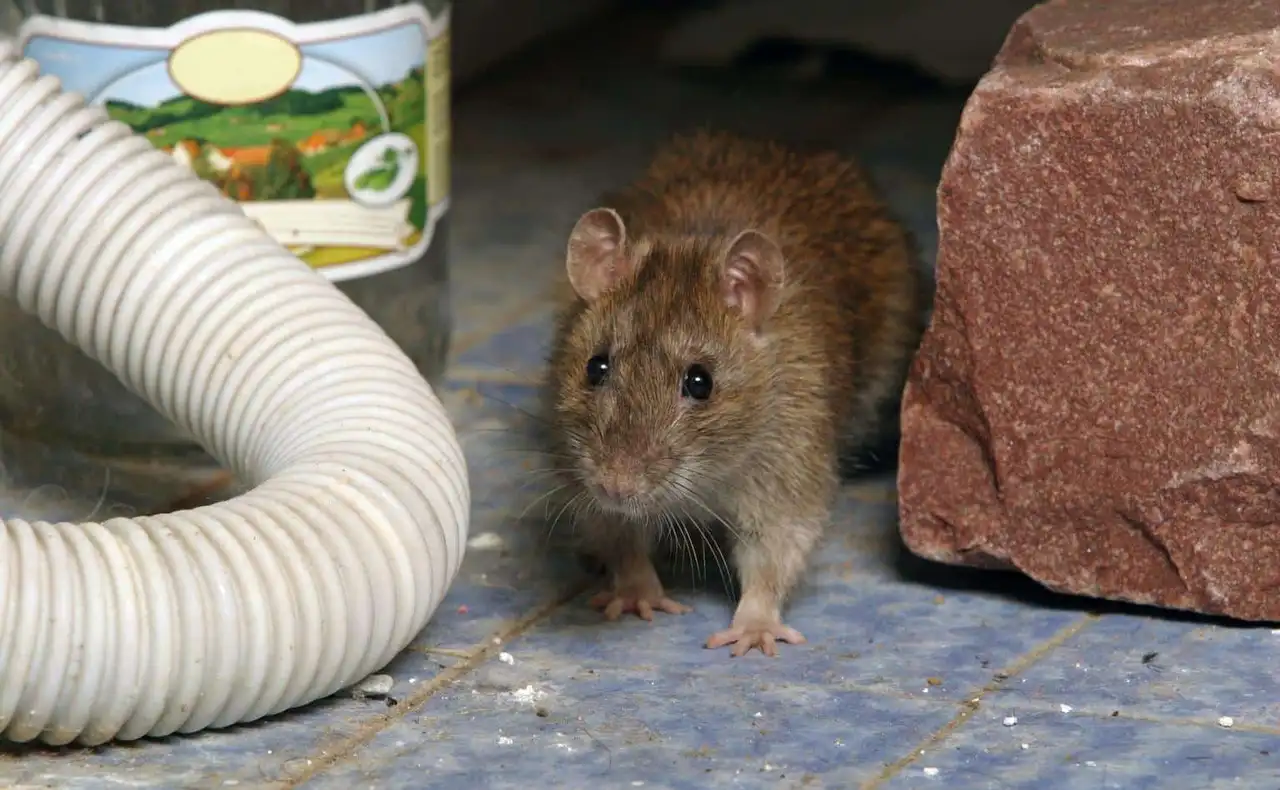
Which Rodent Do I Have?
Short answer: Read the droppings and the clock. Rice-sized droppings mean mice. Capsule-shaped droppings up to 3/4 inch mean rats. Daytime scampering overhead with 3/8 inch pellets in the attic means squirrels. Nighttime attic noise with tiny droppings can mean flying squirrels. Each one gets a different program.
Once you know your animal, go straight to its program: rat control, mouse control, or squirrel removal. Hearing things at night in the attic specifically? Check flying squirrel removal. Still unsure? Our scratching in walls guide and the Noise ID Tool on our homepage narrow it down, or text us a photo of the droppings and we will tell you.
How Acorn Handles Rodents, Whatever the Species
The species changes the tactics; the strategy never changes: identify, remove, seal, verify. That is the whole philosophy, and it is why our rodent jobs end instead of becoming subscriptions.
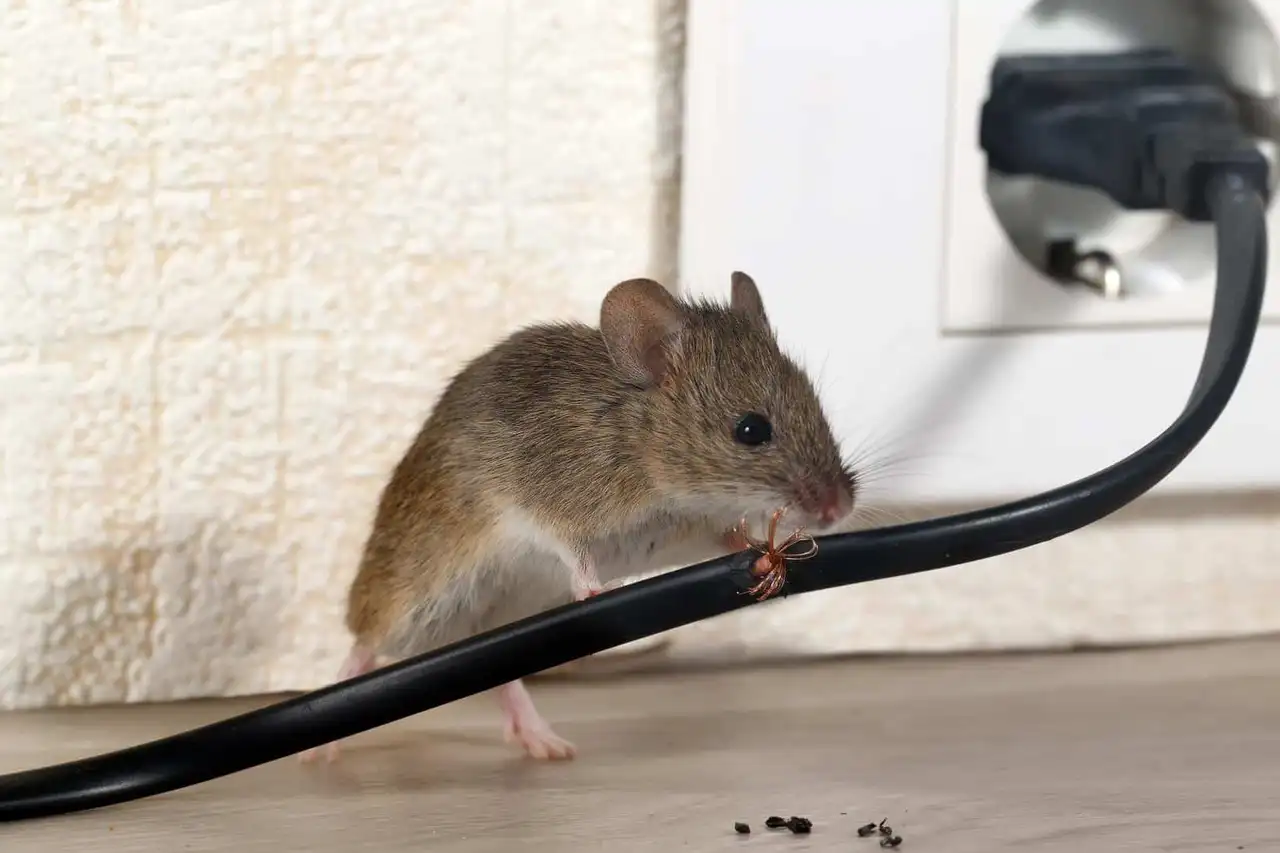
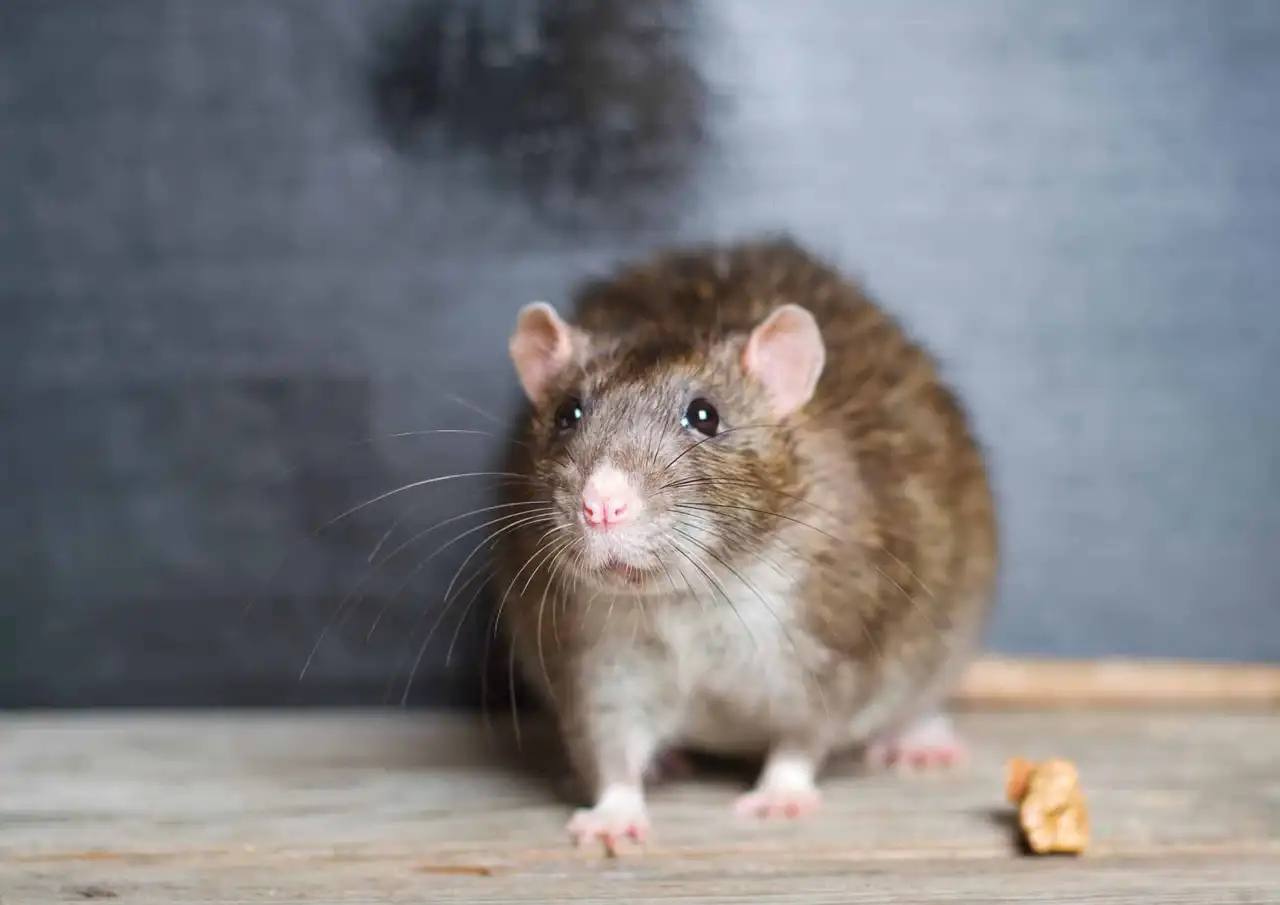
Identify
Every job starts with a full inspection: droppings, rub marks, gnaw patterns, and a photographed map of every opening from the foundation to the roofline. Misidentify the rodent and you trap in the wrong place with the wrong gear, which is how a mouse problem eats three months.
Remove Without Poison
Rats and mice get a snap-trap program on their mapped runways, checked on a schedule, logged to zero. Squirrels get one-way exclusion doors, timed around their two South Jersey litter seasons. What none of them get is rodenticide indoors: poisoned rodents die in wall voids, the openings stay open, and unsecured poison travels up to the hawks and owls that would otherwise do this work for free. When bait has a role, it works outside the home, in locked, tamper-resistant stations.
Seal and Verify
Every opening gets closed in materials rodents cannot chew: steel wool with sealant, hardware cloth, metal flashing. Then we verify zero activity before we call it done. New Jersey does not protect rats and mice, but squirrels are regulated wildlife under NJDEP, which is one more reason the species ID comes first. We hold NJDEP license #92411B either way.
Why the Species Matters More Than the Trap
It also decides the sealing standard. Mice need every quarter-inch gap closed. Rats need the foundation and crawl space tight. Squirrels need the roofline, fascia, and gable vents done in metal. A whole-home seal from Acorn Wildlife covers all three standards at once, which is why homeowners who have been through one rodent winter usually ask us to do the full perimeter, not just the active entry.
Sealing Rodents Out for Good
Sealing is where rodent control stops being a service you buy repeatedly. We close every gap from sill plate to ridge in chew-proof materials, and the work carries the Acorn Seal-Tight Warranty: if rodents get back in through a repair we made, we come back at no charge. The entry points that matter most: foundations and crawl spaces for rats and mice, rooflines and vents for squirrels. The full method is on our wildlife exclusion page, and attic cleanup and sanitization closes out the aftermath.
Rodent Control Near You
Rodent FAQs
Can't you just treat for all rodents at once?
Is it rodents or something bigger?
Why does Acorn refuse to lead with poison?
Do you do quarterly rodent contracts?
How fast can you get here?
Rodents, and the Two Animals Mistaken for Them
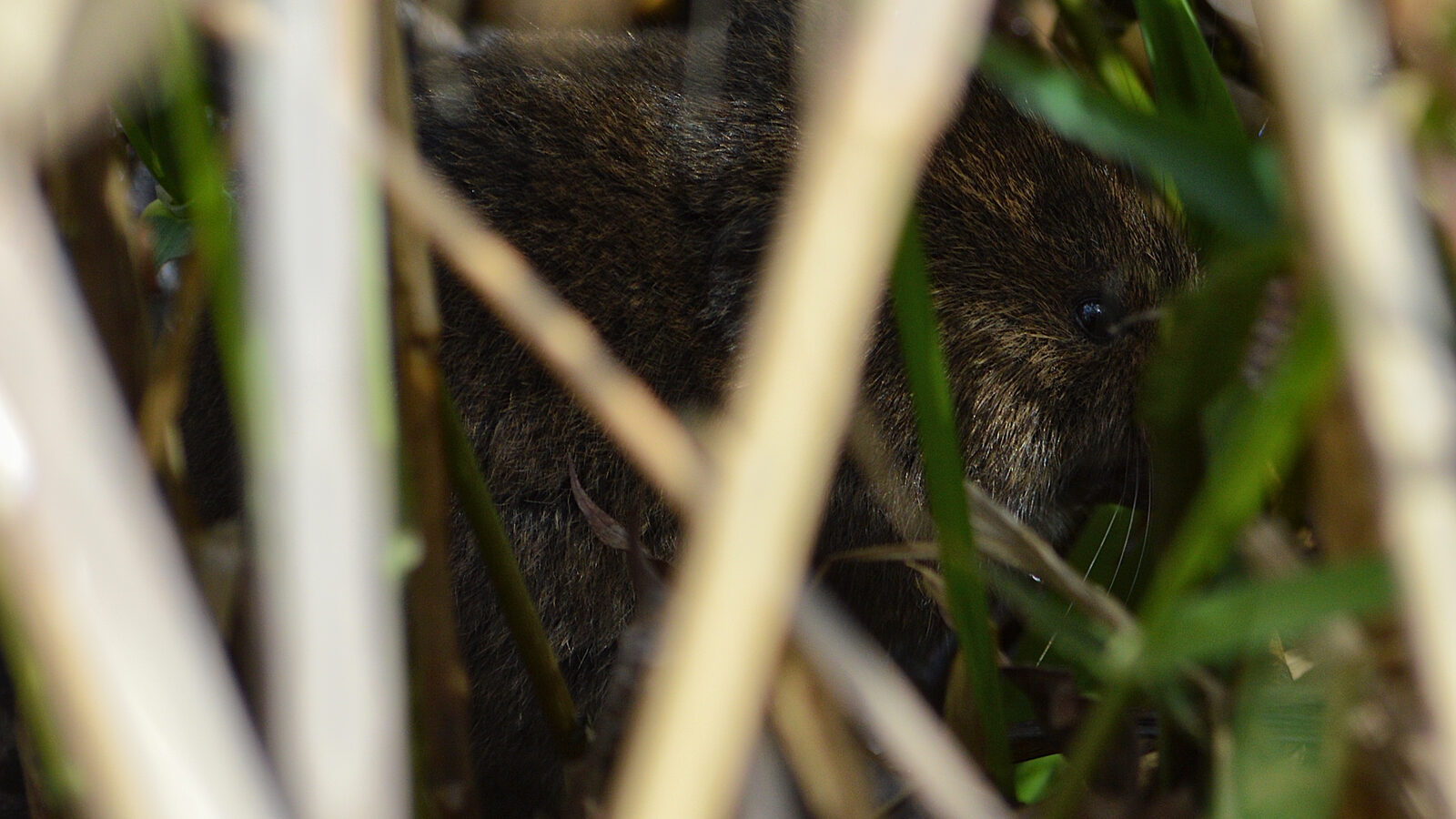
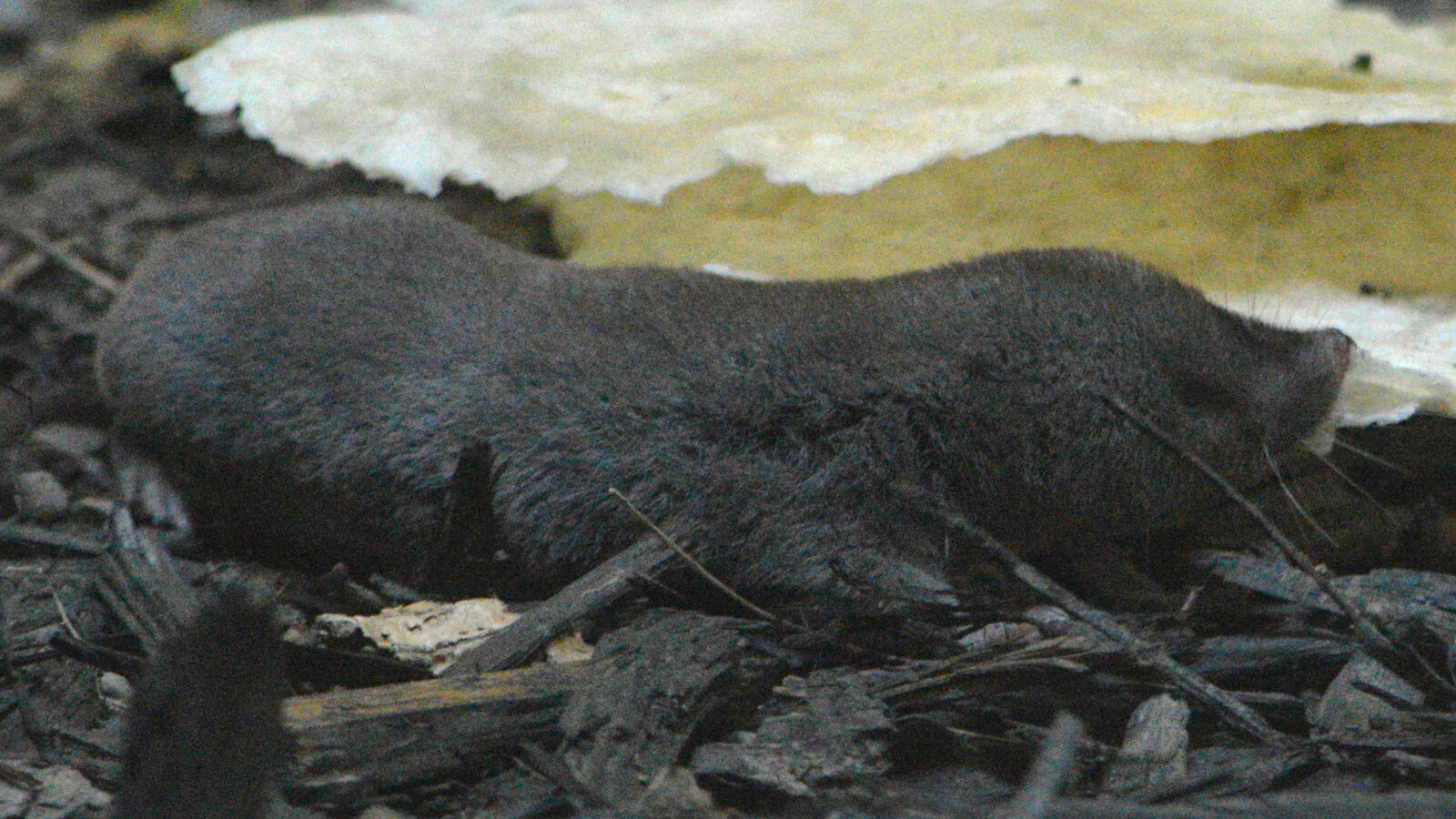
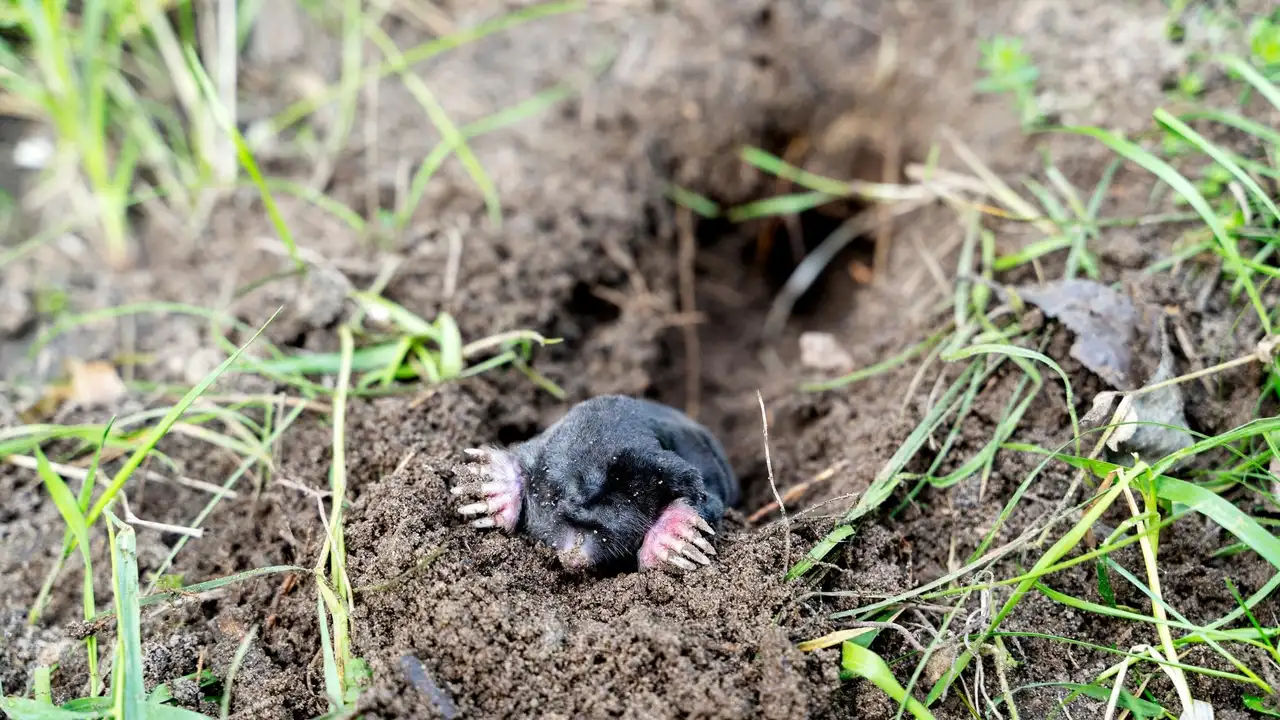
Not everything small and grey in your house is a rodent, and the difference changes the programme completely. Voles are a lawn and shrub problem rather than an indoor one, and shrews are not rodents at all, which is why rodent bait does nothing to them.
Free · No obligation
Every Acorn Job Starts With a Free Inspection
Before we quote a dollar of work, a licensed technician walks the whole property — roofline, soffits, vents, chimney, the full foundation line, the attic or crawl space, the decks and the yard — and finds every opening an animal is using, plus the ones it would use next. It takes as long as it takes: often an hour, sometimes two. There is no charge for the visit.
✓ Free whether or not you hire us
✓ No call-out fee, no minimum, no signature on the day
✓ Every entry point photographed and shown to you
✓ A written quote priced off what was actually found
Ready to End the Gnawing?
Free same-week inspection, species ID, and one written quote that ends the problem.