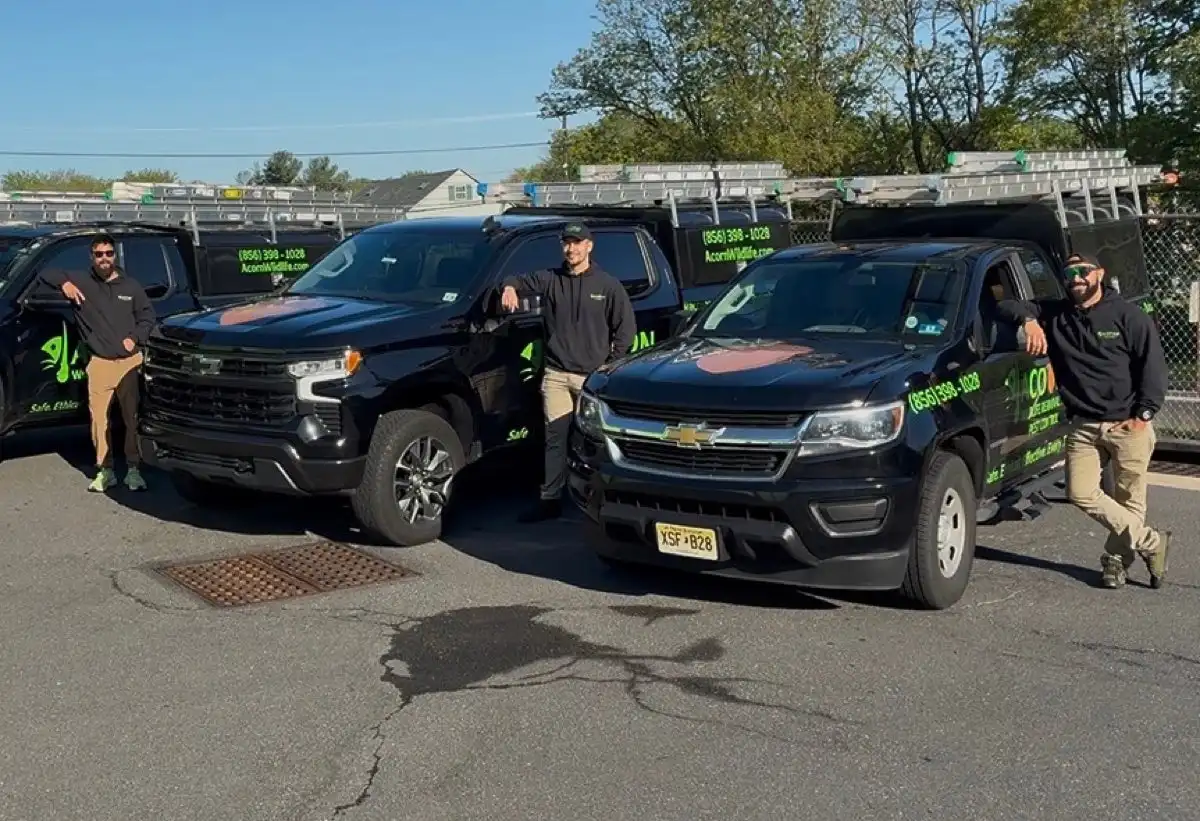
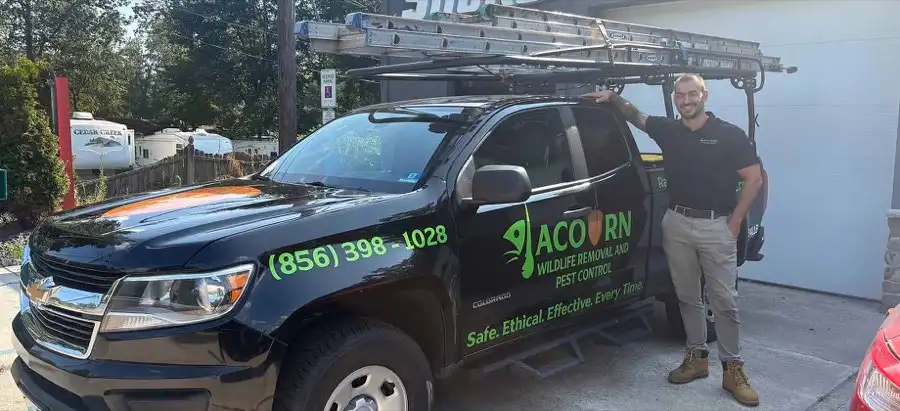
Moorestown is one of the oldest towns on our Burlington County map, and the housing shows it in the best way: tree-lined streets, big Victorians and Colonial Revivals from the late 1800s and early 1900s, slate roofs, and fieldstone foundations. Beautiful for people. Even better for bats, squirrels, and raccoons.
Recent Acorn Jobs in Moorestown
A few recent calls, so you can see what Moorestown work actually looks like. Street addresses stay private; neighborhoods tell the story.
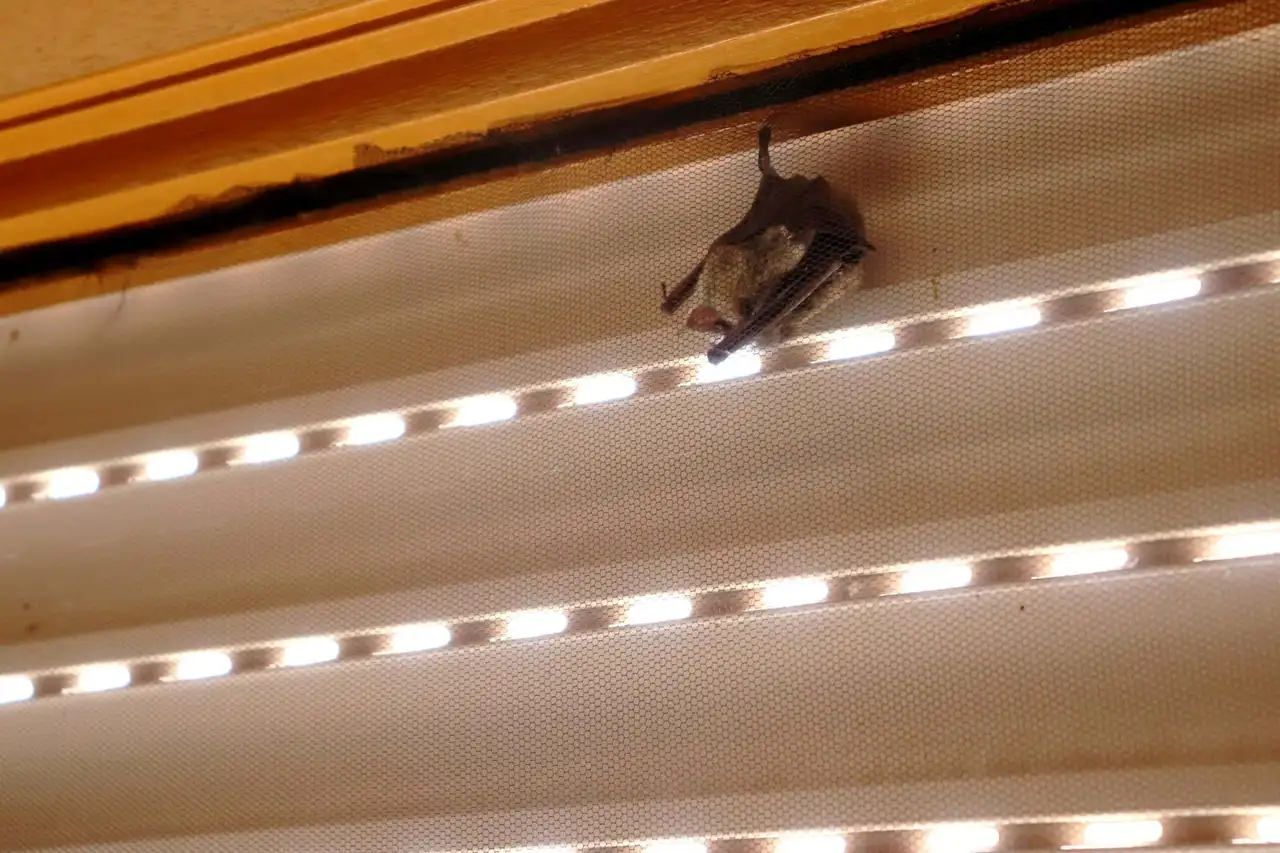
Main Street District: Bats
Big brown colony behind the rake board of an 1890s Victorian. Counted at dusk, excluded legally in August.

Near Strawbridge Lake: Raccoon
Mother denning in an uncapped chimney. Family removal, then a proper cap ended the den site for good.
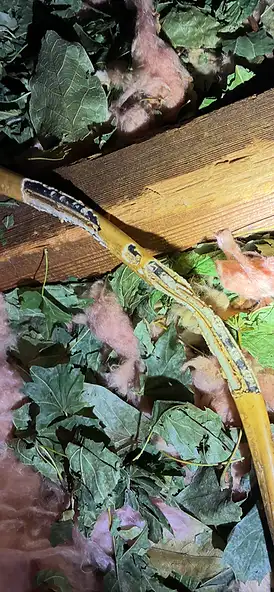
Lenola: Squirrels
Gray squirrels through a rotted soffit return on a postwar cape. Excluded in three days, return rebuilt in steel-backed material.
Wildlife Services in Moorestown
Each service below has its own Moorestown page, with local job stories and response times from the Deer Road office.

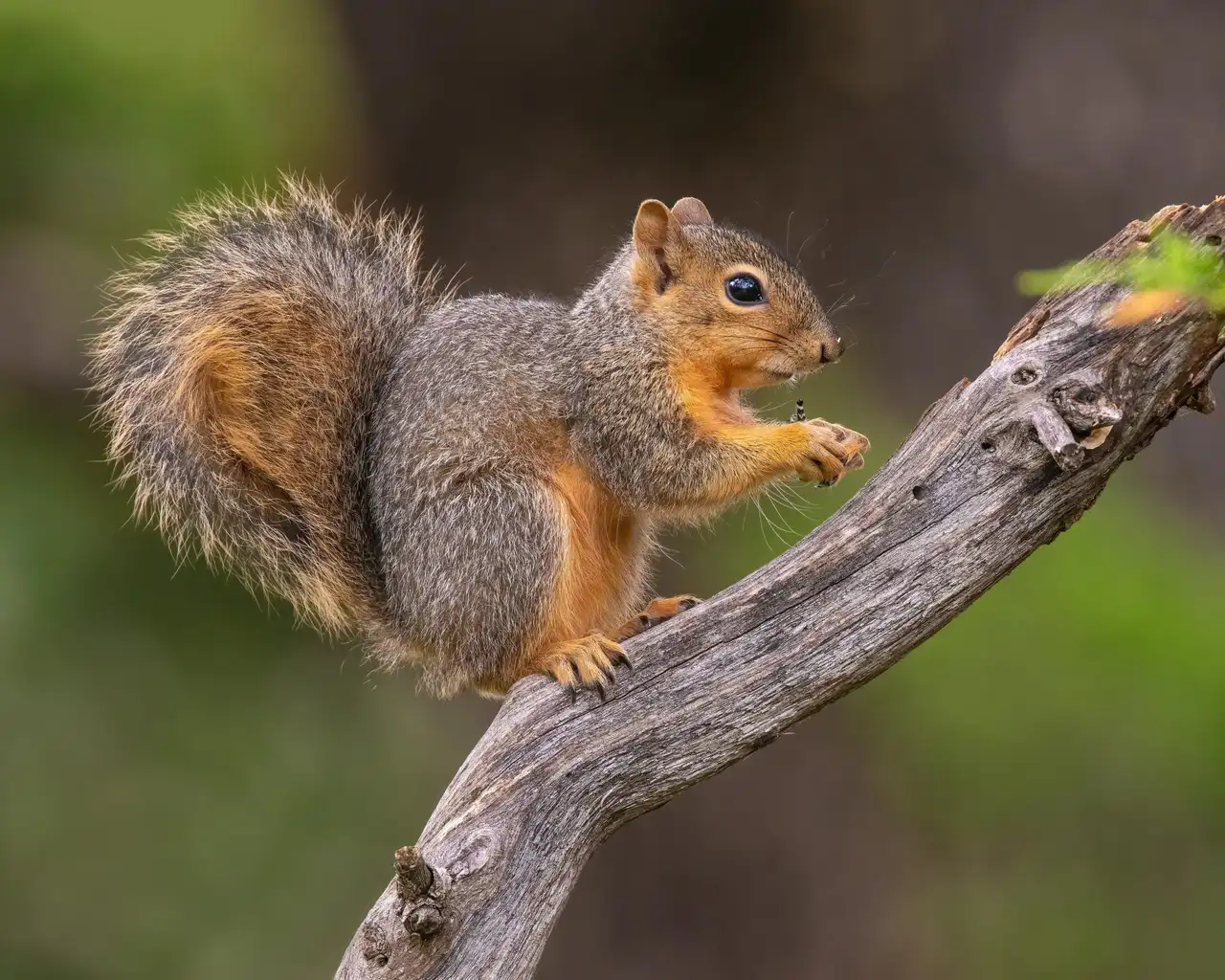
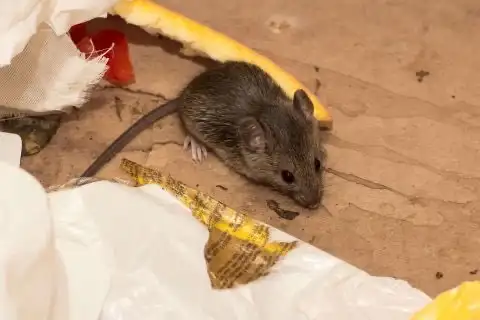
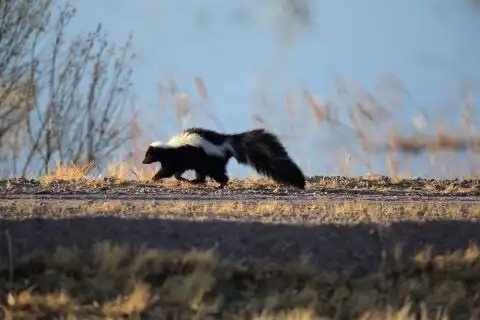

Also serving Moorestown: opossum removal, bird and vent control, snake removal, mole control, dead animal removal, wildlife exclusion and repairs, and attic cleanup and sanitization.
What We Get Called for Most in Moorestown
Moorestown's century-old housing stock is the story. Homes built in the 1890s through the 1920s have wood rake boards, open ridge gaps, unlined chimneys, and fieldstone foundations, and a century of settling opens seams a modern house never has. That is why bats and squirrels lead the Moorestown call log, with raccoons denning in uncapped chimneys every spring. Strawbridge Lake and the Swede Run corridor keep the animals fed and moving right through the middle of town.
Lenola, on the Maple Shade side, is a different vintage: postwar capes and ranches whose original soffit returns and gable vents are now 70 years old. Those calls skew squirrels and mice. Acorn Wildlife in Moorestown, NJ works both ends of town every week, and the fix is the same philosophy either way: remove the animal humanely, then seal the building so it stays empty.
Spring
Raccoon mothers in uncapped chimneys and squirrel litters in old attics. Family removals, done without stranding kits.
Summer
Bat maternity season in the Victorian district. Inspections and exclusion prep during the legal blackout.
Fall
The September squirrel push, plus mice finding fieldstone foundation gaps as nights cool.
Winter
Attic-refuge season. A century-old attic in January is the warmest den in town.
Five-Minute Checks for a Moorestown House
✓ Check every chimney for a cap. Uncapped flues are the number one Moorestown raccoon entry, especially near the lake.
✓ Scan the rake boards and ridge line at dusk. Bats leaving a gap look like slow sparks against the sky.
✓ Walk the fieldstone foundation and note any gap wider than a dime. Mice use them all winter.
✓ Look for branches within six feet of the roof. Moorestown's street trees are squirrel highways.
✓ In the attic, look for staining or droppings along the chimney chase and ridge. Old houses tell on their tenants.
Any one of those signs is worth a call. The inspection is included, the entry-point map is photographed, and the quote is written. No pressure, no mystery.
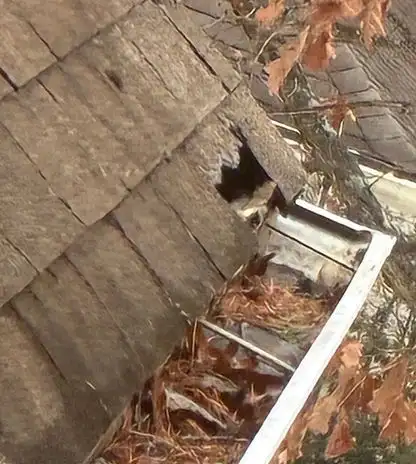
Acorn techs sealing a soffit return — the classic squirrel entry point.
Neighborhoods We Work Weekly
Main Street historic district
Lenola
Strawbridge Lake area
Swede Run corridor
Church Street area
West Moorestown
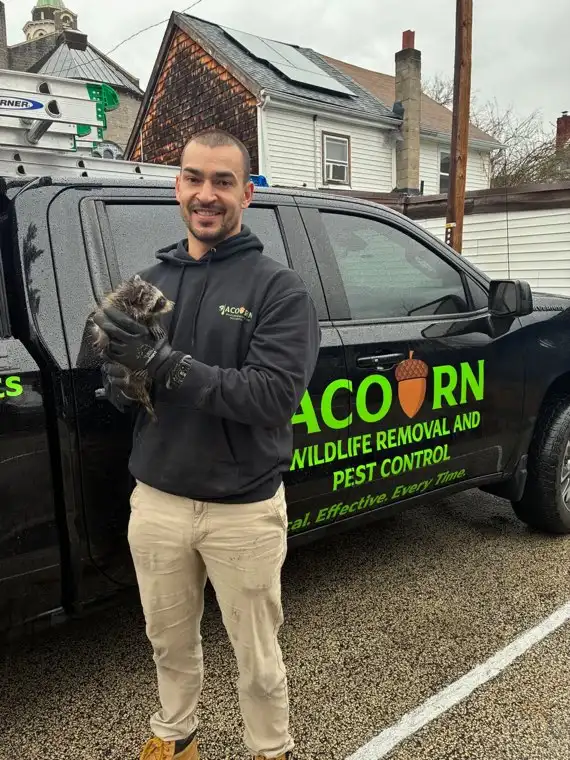
Humane removal — every animal handled with care.
Moorestown Wildlife FAQs
How fast can you get to Moorestown?
Who handles stray dogs and cats in Moorestown?
Will exclusion damage the look of a historic Moorestown home?
Why do the old Victorians get so many bats?
Nearby Service Areas
Free · No obligation
Every Acorn Job Starts With a Free Inspection
Before we quote a dollar of work, a licensed technician walks the whole property — roofline, soffits, vents, chimney, the full foundation line, the attic or crawl space, the decks and the yard — and finds every opening an animal is using, plus the ones it would use next. It takes as long as it takes: often an hour, sometimes two. There is no charge for the visit.
✓ Free whether or not you hire us
✓ No call-out fee, no minimum, no signature on the day
✓ Every entry point photographed and shown to you
✓ A written quote priced off what was actually found
Moorestown, Let's Get It Out
Fifteen minutes from the Deer Road office. Free same-week inspection, photo-documented entry map, written quote.