Home › Wildlife Removal › Fox Removal
Dens under decks & sheds · Spring pups · Barrier work
Fox Removal in South Jersey
A fox denning under your shed or deck is one of the calmer wildlife calls we take, and one of the most misunderstood. Red foxes are common right through suburban South Jersey, they are rarely a threat to anybody, and the problem is almost always the den rather than the animal. Acorn Wildlife handles fox work across Camden, Burlington, Gloucester, Mercer, and Cumberland counties.
Short answer: Fox work is a denning problem, so the answer is getting the family out from under the structure and then closing the space with buried barrier so nothing dens there again. In spring that means working around pups, which usually means waiting a short while rather than digging a litter out.
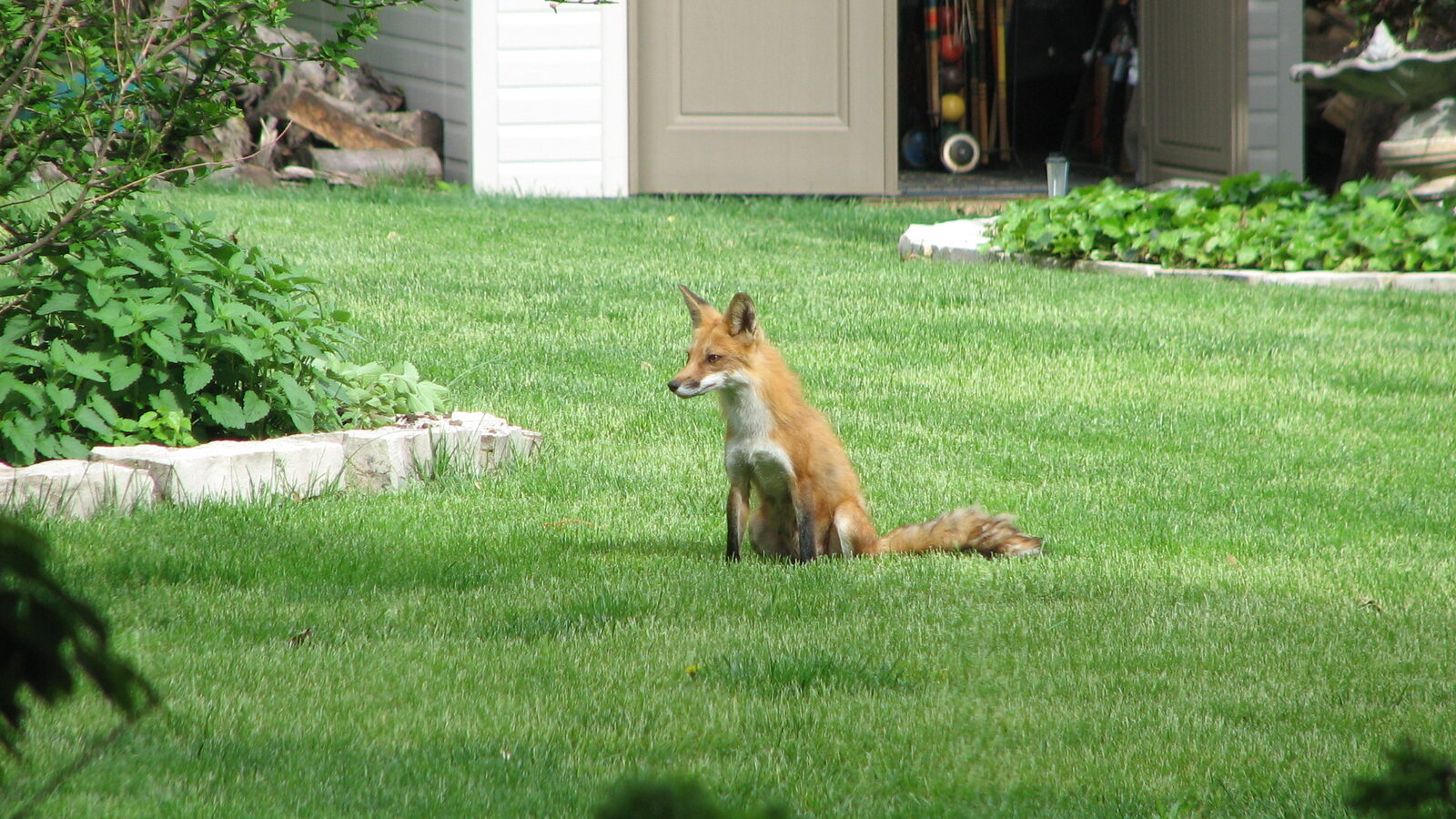
How Do I Know It Is a Fox?
Short answer: A den entrance eight to ten inches across under a shed, deck, or outbuilding, with a fan of excavated soil, scattered bones or feathers, and a musky smell. Red fox are rusty orange with black legs and a white tail tip. Gray fox are grizzled with a black-tipped tail and can climb trees.
The Den
Under a shed, deck, porch, or in a bank at the edge of the yard. Foxes often enlarge an old groundhog burrow rather than digging from scratch.
Spring Pups
Litters arrive in early spring. Pups playing outside the den in April and May are how most homeowners discover the den at all.
Prey Remains & Scat
Feathers, bones, and scraps near the entrance, and twisted scat often left on a raised spot. Foxes are tidy hunters but untidy neighbours.
The Smell
A distinct musky odour around the den, strongest in spring. Less offensive than skunk, but persistent.
One thing worth saying plainly, because it is the question behind most fox calls: a fox seen in daylight is not a sign of rabies. Foxes forage by day routinely, especially when feeding pups. What does warrant a call to animal control is a fox that is staggering, circling, unafraid at close range, or obviously sick, and that is a different phone number from ours.
Mange, and Why the Fox in Your Yard Looks Terrible
A significant share of the fox calls we take are really about a fox that looks dreadful: patchy, thin, with a bare ratty tail. That is usually sarcoptic mange, which is widespread in regional fox populations and is the single most common reason a homeowner calls worried about a sick animal.
It is worth knowing three things. Mange is not rabies, and a mangy fox is not behaving dangerously, just uncomfortably. It is contagious to dogs, so a mangy fox denning under your deck is a genuine reason to want the den closed. And treating wild foxes for mange is a wildlife management question rather than something a removal company resolves at your property, so we will be straight with you about what we can and cannot do for the animal itself.
How Acorn Handles a Fox Den
Confirm the Den Is Active, and Who Is In It
Plenty of holes under a shed are old groundhog burrows with nothing living in them, and a few are skunk or opossum. Sealing an occupied den is the worst outcome available, so the first job is establishing what is actually under there and whether there are pups.
Timing Around Pups
In spring, the humane and practical answer is usually patience. Fox families move on from a natal den on their own within weeks as the pups grow, and a den that would take a fortnight of waiting is far better handled that way than by separating a litter from the mother. We will tell you honestly when waiting is the right call, and come back to do the barrier work when the den is empty.
Getting Them Out
Where the situation will not wait, foxes are encouraged out by making the den uncomfortable and monitored until it is confirmed empty, or removed under the methods New Jersey permits. New Jersey law limits relocation for several species, and we will explain exactly what applies to your situation rather than promising a scenic release.
Buried Barrier: the Part That Ends It
Once the space is empty it gets closed properly. That means an L-shaped buried barrier of heavy galvanised mesh along the deck, shed, or porch skirt, trenched down and turned outward so nothing digs back under. This is identical to the work on our foundation and crawl space page, and it carries the Acorn Seal-Tight Warranty. Without it, the next digger simply inherits the hole.
Take Away the Reason
Foxes settle where food and cover are easy. Unsecured bins, pet food outside, ground-feeding bird stations, and dense brush against a shed all help. We will point out what is on your property, because the barrier is a lot easier when the yard is less appealing to begin with.
Fox Removal Near You
Fox FAQs
Is a fox dangerous to my children or my dog?
There are pups under my deck. Can you take them today?
A fox is out in the middle of the day. Should I be worried?
Will sealing the hole solve it?
Do foxes come back to the same den?
Fox Denning Under Your Shed or Deck?
Same-week inspection, an honest answer about pups and timing, and buried barrier that closes the space for good.