Home › Wildlife Exclusion › Foundation & Crawl Space Sealing
Steel & masonry · Buried barriers · Seal-Tight Warranty
Foundation & Crawl Space: Sealing the Ground Floor
Everything that enters your house without climbing enters here. Foundation gaps, crumbling mortar, unscreened crawl space vents, and broken access doors are the ground-level chapter of our full wildlife exclusion service, and they admit a different cast of animals than the roofline does. This page covers who walks in at grade, how to spot the openings, and how Acorn Wildlife closes them with steel and masonry.
Short answer: Rats, mice, snakes, skunks, and opossums enter at ground level through utility-line gaps, failed mortar joints, rusted crawl space vents, and broken access doors. Acorn Wildlife seals every gap with hardware cloth, steel, and mortar, rebuilds access doors, and buries L-shaped barriers against diggers, all under the Acorn Seal-Tight Warranty.
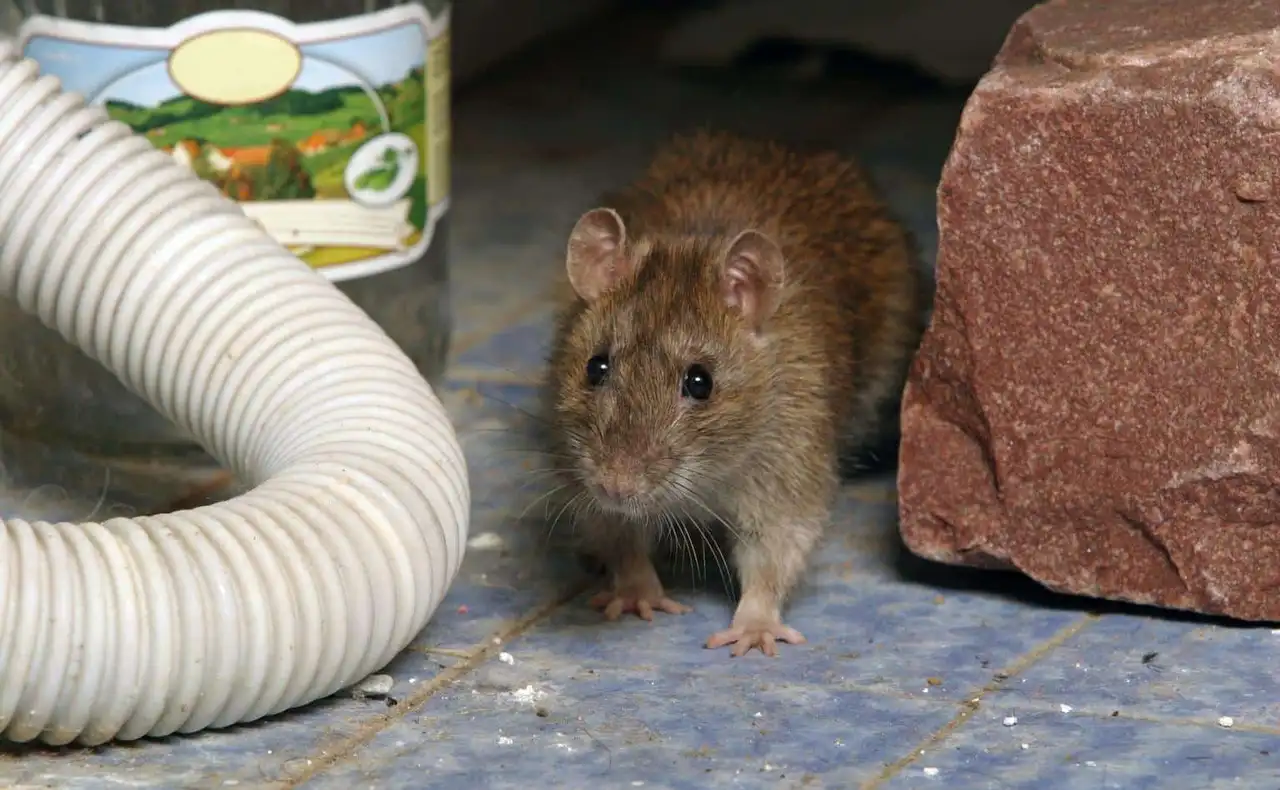
Which Animals Get in at the Foundation?
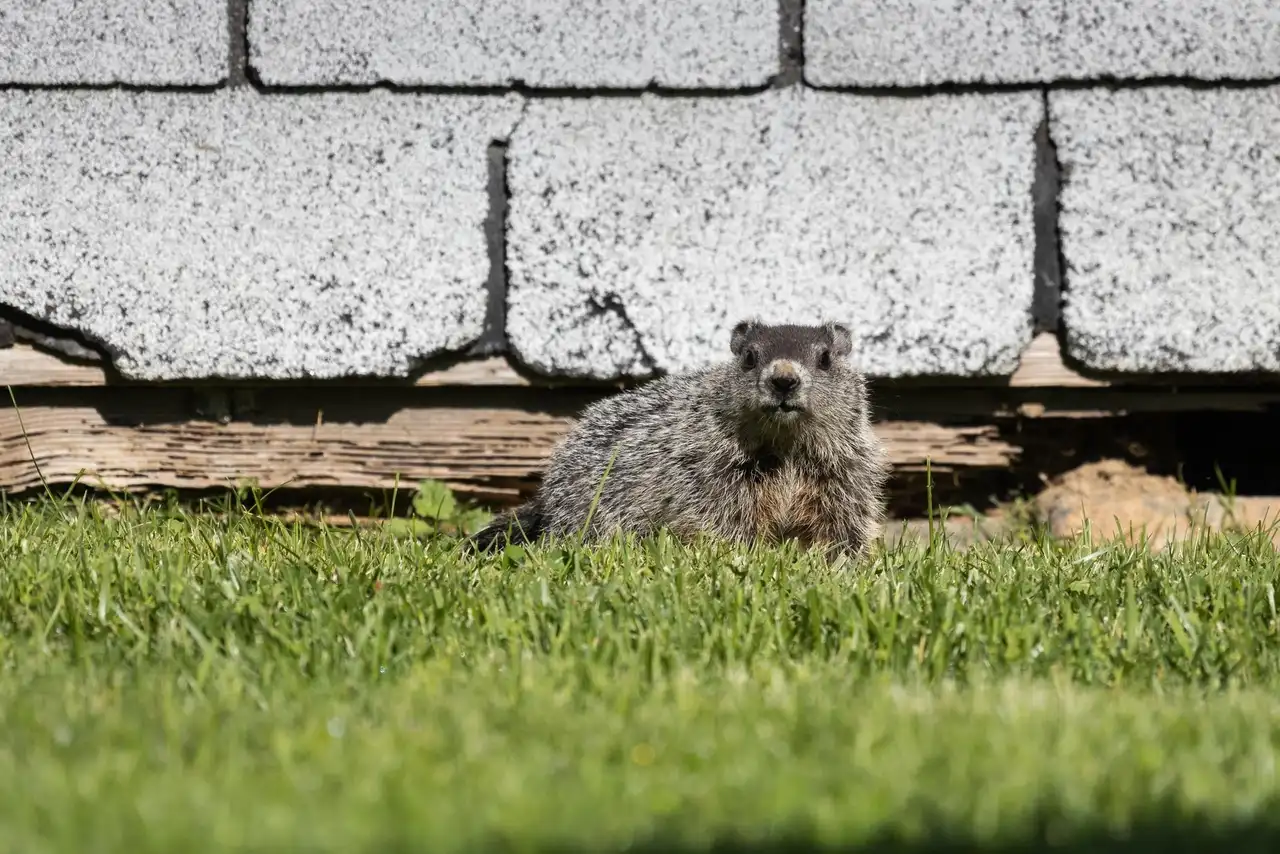
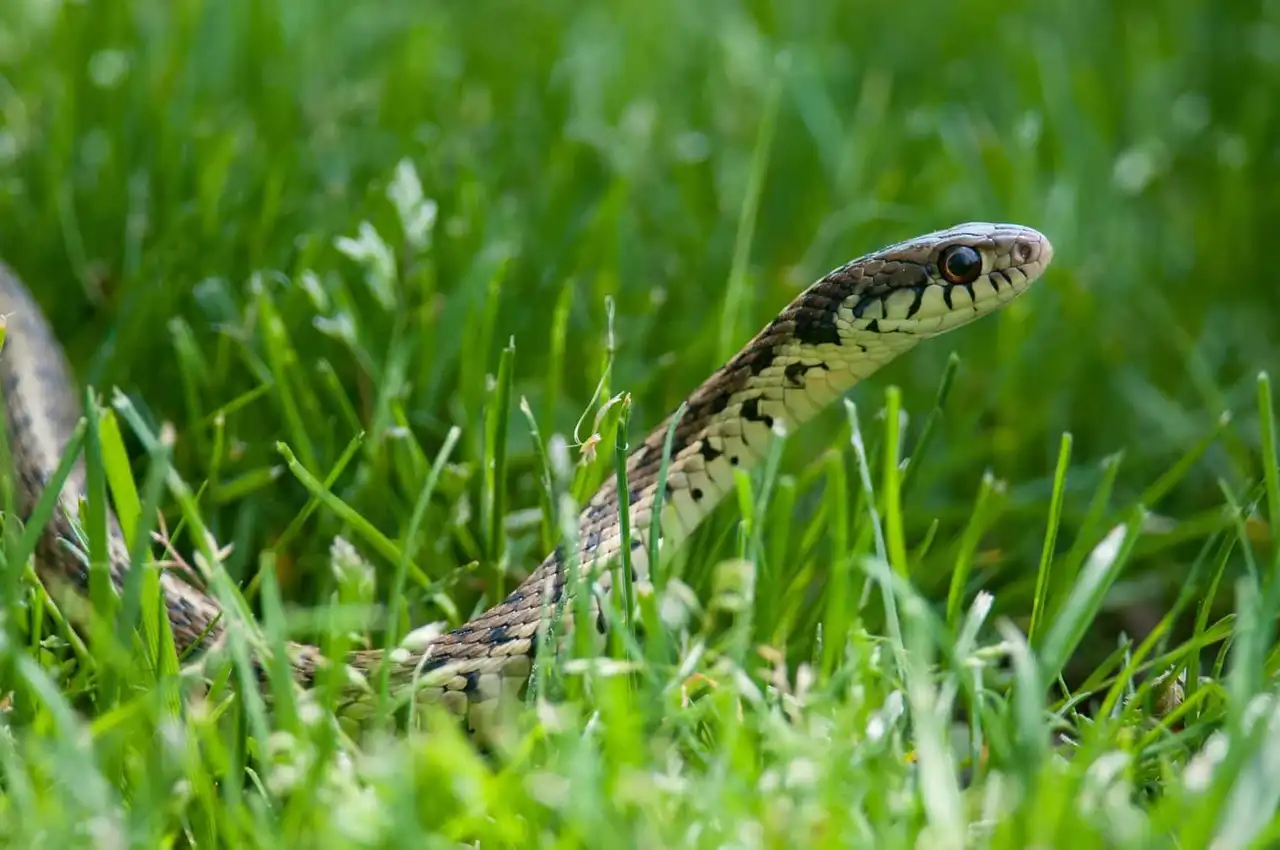
The cast is different from the roofline crowd, and so is the physics: nothing has to climb, so age and gravity do the recruiting. Rats and mice follow foundation walls by whisker, testing every gap; snakes (nearly always harmless species in South Jersey) trail the rodents' scent inside; skunks and opossums den in crawl spaces because they're dark and undisturbed. What starts at grade rarely stays there: wall cavities connect the sill to the attic, which is why our basement and crawl space wildlife page and our animals in walls page both point back to this repair.
Short answer: Rodents lead: a mouse passes through a dime-sized gap, a rat through a quarter. Snakes follow the rodents through the same holes. Skunks and groundhogs dig under shallow footings and slab additions, and opossums walk through any opening something else made. Ground-level entries feed wall cavities, so upstairs noise often starts down here.
Where the Openings Hide
✓ Utility penetrations: gas, AC lineset, water, and cable entries, sealed at build and never again
✓ Mortar joints crumbling at grade, especially on pre-1980 block foundations
✓ Crawl space vents with rusted or torn screening (insect mesh, never animal-rated to begin with)
✓ Crawl space access doors: warped, hinge-sprung, or missing entirely
✓ The gap beneath stoops, porch slabs, and additions, where diggers work out of sight
✓ Sill-plate gaps where the wood frame meets the top of the foundation
Evidence to look for while you walk the perimeter: greasy rub marks at a gap's edges (rodent traffic), fresh excavated soil (digger), shed snake skins at the sill, and droppings along the wall line. The included inspection photographs every opening, active or not, so the quote is a map rather than a guess.
How Acorn Seals a Foundation
The buried barrier deserves explaining, because it's the piece homeowners haven't seen: against diggers like skunks and groundhogs, surface sealing fails, so we trench galvanized hardware cloth down the foundation face and bend it outward 12 inches underground. The animal digs at the wall, hits steel, follows it out, and quits. It's the same defense we install around decks and sheds, detailed on our deck and shed page. Materials, honestly listed: 16-gauge galvanized hardware cloth, stainless mesh and mortar for masonry gaps, steel escutcheon collars for utility lines, pressure-treated lumber and galvanized hardware for access doors. Rodent jobs pair sealing with a trapping program, in that order, never poison (a poisoned rat dying under your floor becomes a dead animal odor job). The same steel-first standard runs through our roofline, soffit, vent, and chimney cap pages.
Free · No obligation
Every Acorn Job Starts With a Free Inspection
Before we quote a dollar of work, a licensed technician walks the whole property — roofline, soffits, vents, chimney, the full foundation line, the attic or crawl space, the decks and the yard — and finds every opening an animal is using, plus the ones it would use next. It takes as long as it takes: often an hour, sometimes two. There is no charge for the visit.
✓ Free whether or not you hire us
✓ No call-out fee, no minimum, no signature on the day
✓ Every entry point photographed and shown to you
✓ A written quote priced off what was actually found
Ready to Close the Ground Floor?
Photo-documented perimeter inspection, steel-and-masonry sealing, Seal-Tight Warranty.