Home › Wildlife Removal › Animals Under Deck or Shed
Burrow ID · No-spray trapping · Buried barrier screening
What's Digging Under Your Deck or Shed?
A hole with fresh dirt next to your deck, shed, or stoop means something has moved in underneath. In South Jersey that's almost always a groundhog, a skunk, or an opossum using someone else's burrow, and the three need different handling. Acorn Wildlife identifies the digger, removes it humanely, and screens the structure so the burrow never reopens.
Short answer: Read the burrow first. A wide hole with a big fan of excavated dirt, dug by day, is a groundhog. A shallower hole with a faint musky odor and dusk activity is a skunk. No fresh digging but nightly traffic is an opossum using an old burrow. Acorn Wildlife traps humanely and installs buried barrier screening so nothing digs back under.
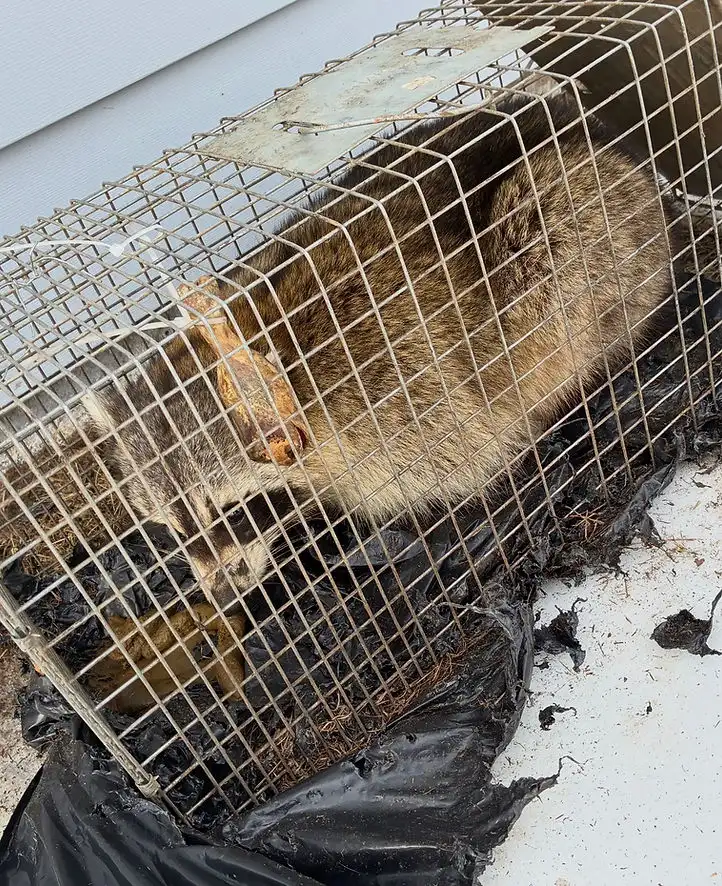
Groundhog, Skunk, or Opossum? How to Read the Burrow
Short answer: Three clues identify the digger: the size of the dirt pile, the time of day you see activity, and smell. Groundhogs excavate huge dirt fans and work in daylight. Skunks dig shallower holes, move at dusk, and leave a faint musk. Opossums dig almost nothing; they move into burrows other animals abandoned.

Groundhog: The Daylight Excavator
A main entrance 8 to 12 inches wide with a serious fan of excavated soil, plus a hidden second exit nearby. Active in daylight, especially morning. A groundhog moves a surprising amount of dirt and can undermine a slab or footing over time. See groundhog trapping.
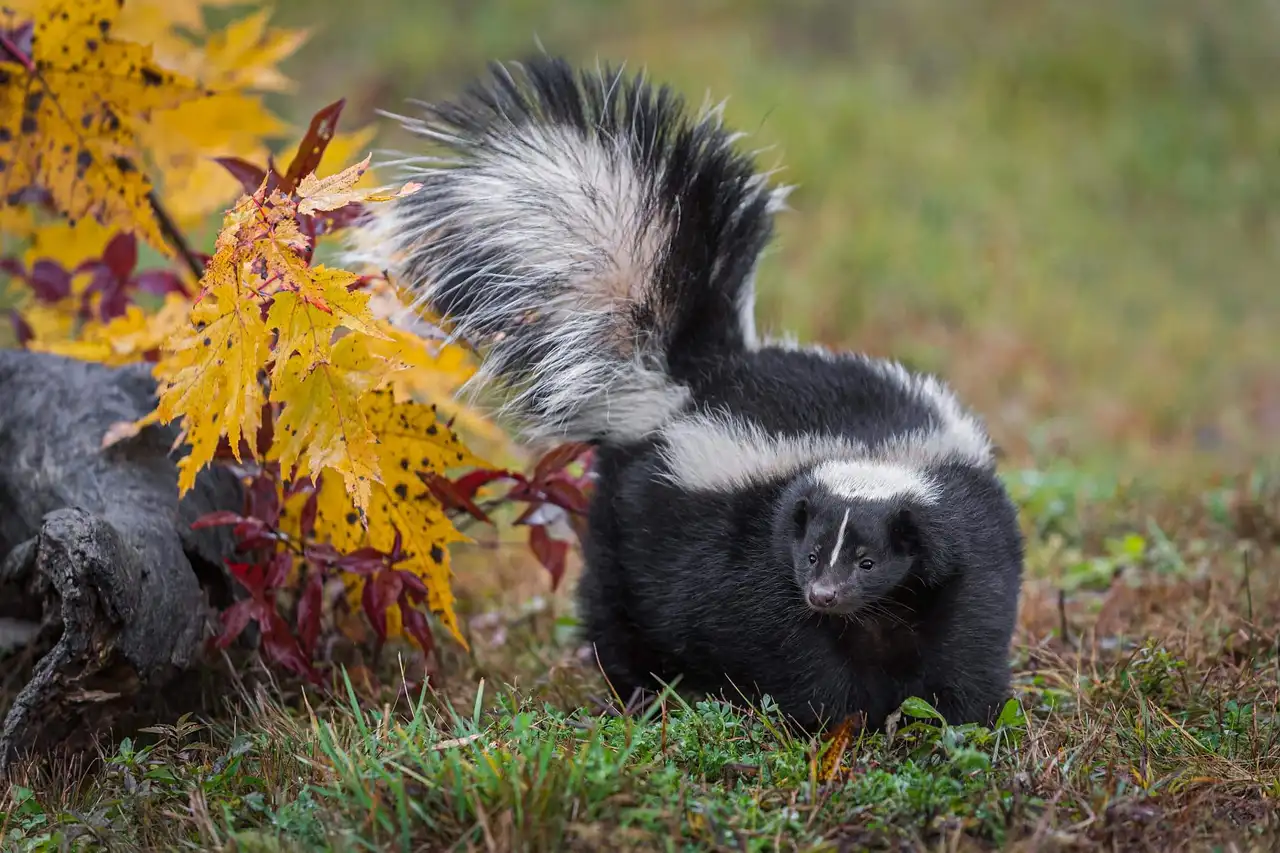
Skunk: The Dusk Shift
A shallower opening, small cone-shaped digs in the lawn nearby from grub hunting, and that unmistakable faint musk even when nothing has sprayed. Activity starts at dusk. Baby season in early summer means extra care. See skunk removal.
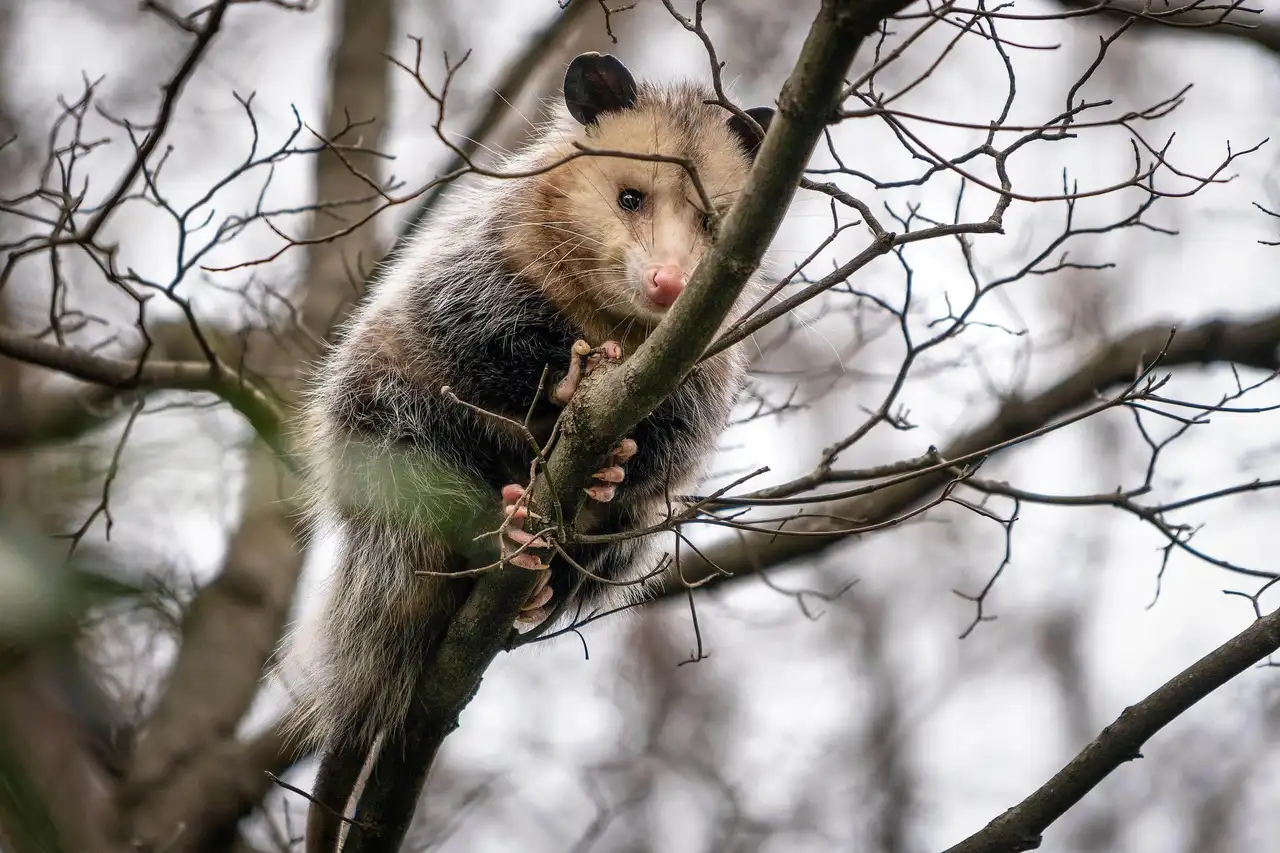
Opossum: The Passthrough Tenant
No fresh dirt at all. Opossums are lousy diggers and excellent squatters: they move into whatever burrow a groundhog or skunk left behind, stay a while, and move on. Slow nightly shuffling and large droppings give them away. See opossum removal.
One honest note before you assume the burrow is abandoned: under-structure burrows get reused constantly. A hole a groundhog dug two summers ago may host a skunk this spring and an opossum in the fall. That's exactly why trapping alone doesn't end the problem, and why the screening step below is the part of this job that actually matters. If the digging is against the house foundation itself rather than a deck or shed, start with our basement and crawl space wildlife page.
How Acorn Removes Animals from Under Decks and Sheds
The job runs in two phases: get the animal out humanely, then make the space impossible to move back into. Skipping the second phase is how homeowners end up trapping a new animal every season.
Humane Trapping, Timed Around Babies
Groundhogs and skunks are removed with live cage traps set on the burrow's travel routes; opossums often just need a one-way door over the entrance. With skunks we use covered traps and a calm, no-spray handling routine that has kept our record clean. Season drives the plan: groundhog pups are underground February through April and skunk kits in early summer, and we check for young before any adult is removed. Stranding a litter under your deck is inhumane and, frankly, becomes a dead animal odor problem you'd pay to fix twice.
What New Jersey Law Allows
New Jersey regulates the trapping and relocation of wildlife, and skunks are a rabies-vector species with tighter rules than most homeowners expect. As an NJDEP-licensed operator (#92411B), Acorn Wildlife handles the legal side and tells you honestly what happens to the animal, rather than what sounds nice. And a fairness note we publish on purpose: if all you need is one groundhog trapped, that's a small job and it should be priced like one.
Barrier Screening: The Part That Makes It Permanent
After removal we screen the structure with galvanized hardware cloth in an L-shaped footer: the mesh runs down the face of the deck or shed skirt, then bends outward 12 inches underground, buried away from the structure. An animal that digs at the wall hits steel, digs along the buried shelf, and gives up. It's the same buried-barrier method we use on foundations, detailed on our foundation and crawl space exclusion page, and it carries the Acorn Seal-Tight Warranty like every exclusion repair we make.
Free · No obligation
Every Acorn Job Starts With a Free Inspection
Before we quote a dollar of work, a licensed technician walks the whole property — roofline, soffits, vents, chimney, the full foundation line, the attic or crawl space, the decks and the yard — and finds every opening an animal is using, plus the ones it would use next. It takes as long as it takes: often an hour, sometimes two. There is no charge for the visit.
✓ Free whether or not you hire us
✓ No call-out fee, no minimum, no signature on the day
✓ Every entry point photographed and shown to you
✓ A written quote priced off what was actually found
Ready to Reclaim the Space Under Your Deck?
Free same-week inspection, humane trapping, buried screening that ends the cycle. Warrantied.