Home › Wildlife Removal › Squirrel Removal
Humane · Two litter seasons · Warrantied exclusion
Squirrel Removal in South Jersey
Gray squirrels are the number one attic call Acorn Wildlife gets across Camden, Burlington, Gloucester, Mercer, and Cumberland counties. They chew their way in, they chew once they're in, and the wire they gnaw next could be the one that matters. This page covers how we confirm it's a squirrel, how humane removal works, what it costs, and how we keep them out for good.
Short answer: We remove squirrels humanely with one-way doors mounted over their chewed entry after every other gap is sealed, and by hand during the two South Jersey litter seasons so no babies are left behind. Most removals finish in 2 to 5 days, and every repair carries our Seal-Tight Warranty.
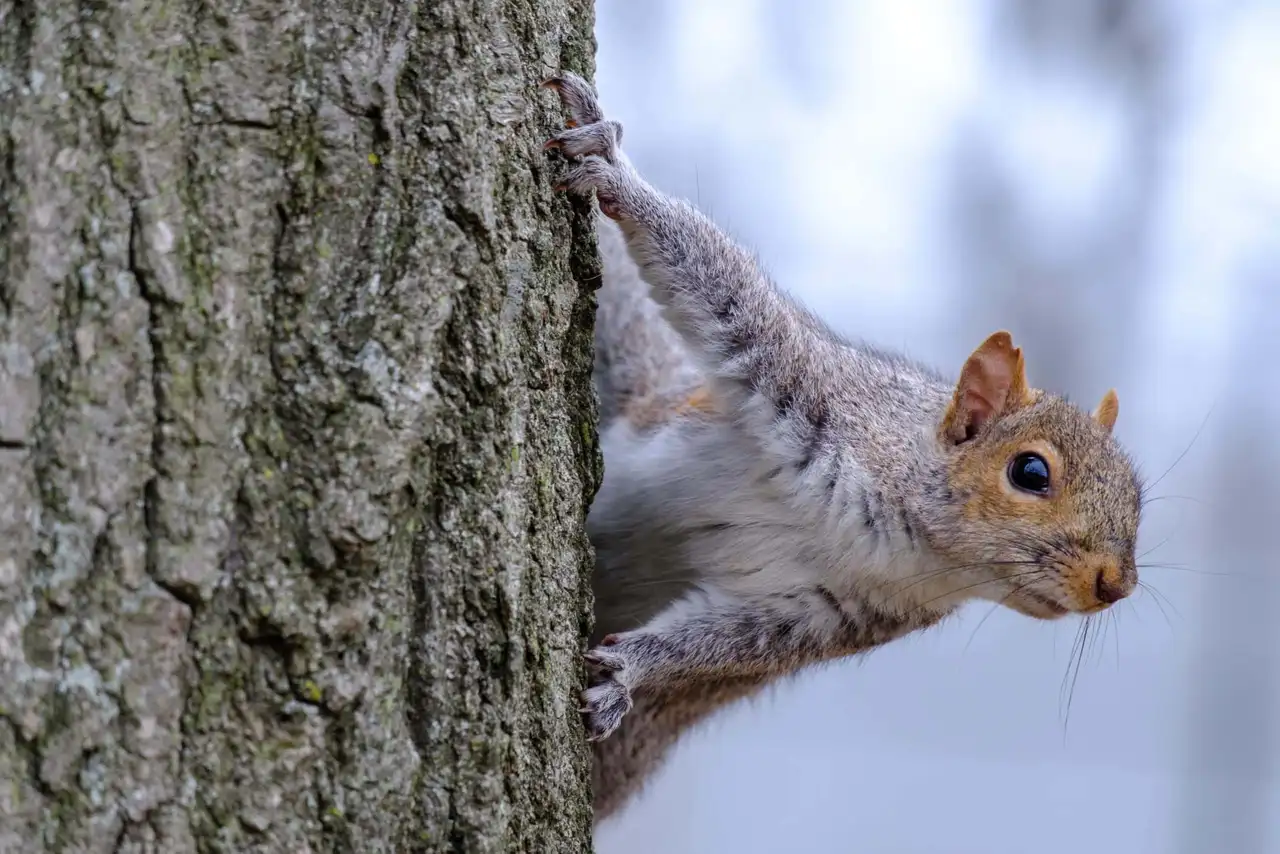
How Do I Know It's a Squirrel?
Short answer: Squirrels give themselves away by their schedule: light, fast scampering right at dawn and again in late afternoon, the sound of nuts rolling across the ceiling, and a chewed hole about the size of a baseball at the roofline. Daytime noise almost always means squirrel, not raccoon.
Sounds
Quick scurrying and scratching at dawn and dusk, rolling or dropping sounds as they cache acorns, and gnawing that sounds like slow sandpaper. Raccoons thump; squirrels sprint.
Droppings
Small oblong pellets, about 3/8 inch, scattered along attic runways rather than piled in one latrine corner the way raccoons leave them.
Entry Damage
A cleanly chewed hole at a soffit return, gable vent, or roofline gap, usually 1.5 to 3 inches across with fresh tooth marks and light-colored exposed wood.
Chew Evidence
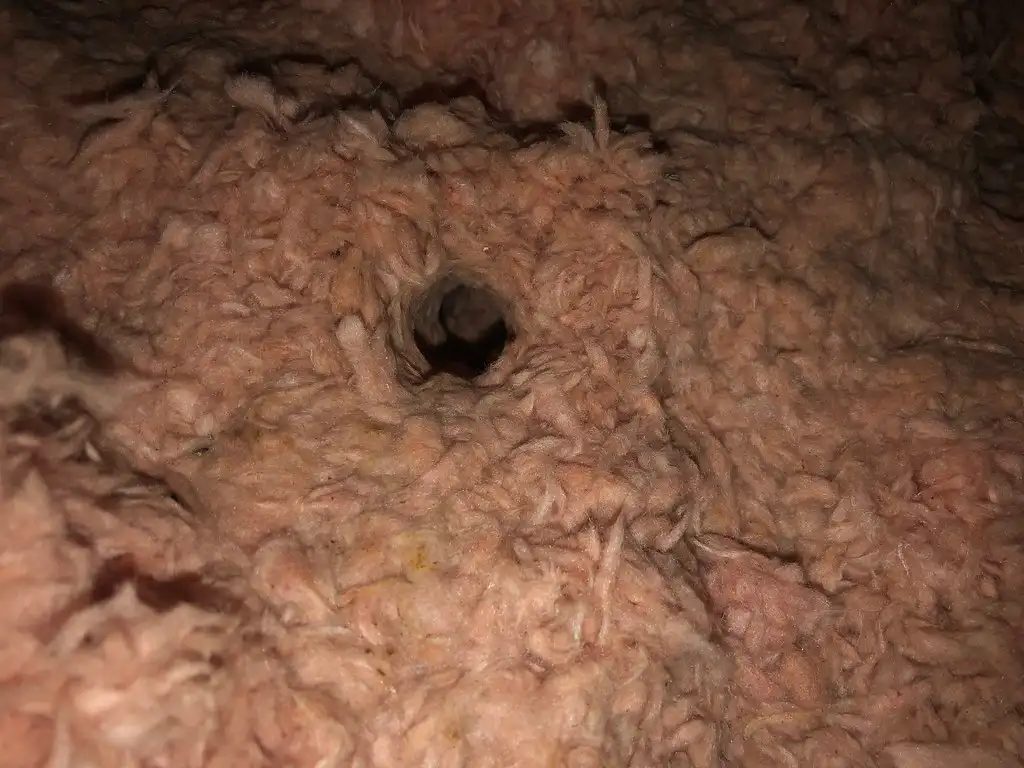
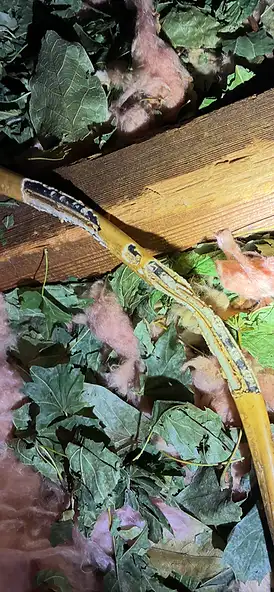
Gnawed fascia edges, stripped wire insulation, chewed roof sheathing, and shredded insulation pulled into a nest ball near the eaves.
Hearing noise but not sure which animal it is? Start with our attic noise guide, or try the Noise ID Tool on our homepage. Time of day is the biggest clue, and squirrels are the daytime animal.
How Acorn Removes Squirrels Humanely
The plan depends on one inspection question: is there a nest of babies? In South Jersey, gray squirrels raise litters twice a year, so roughly half the calendar is baby season. We check before we mount anything.
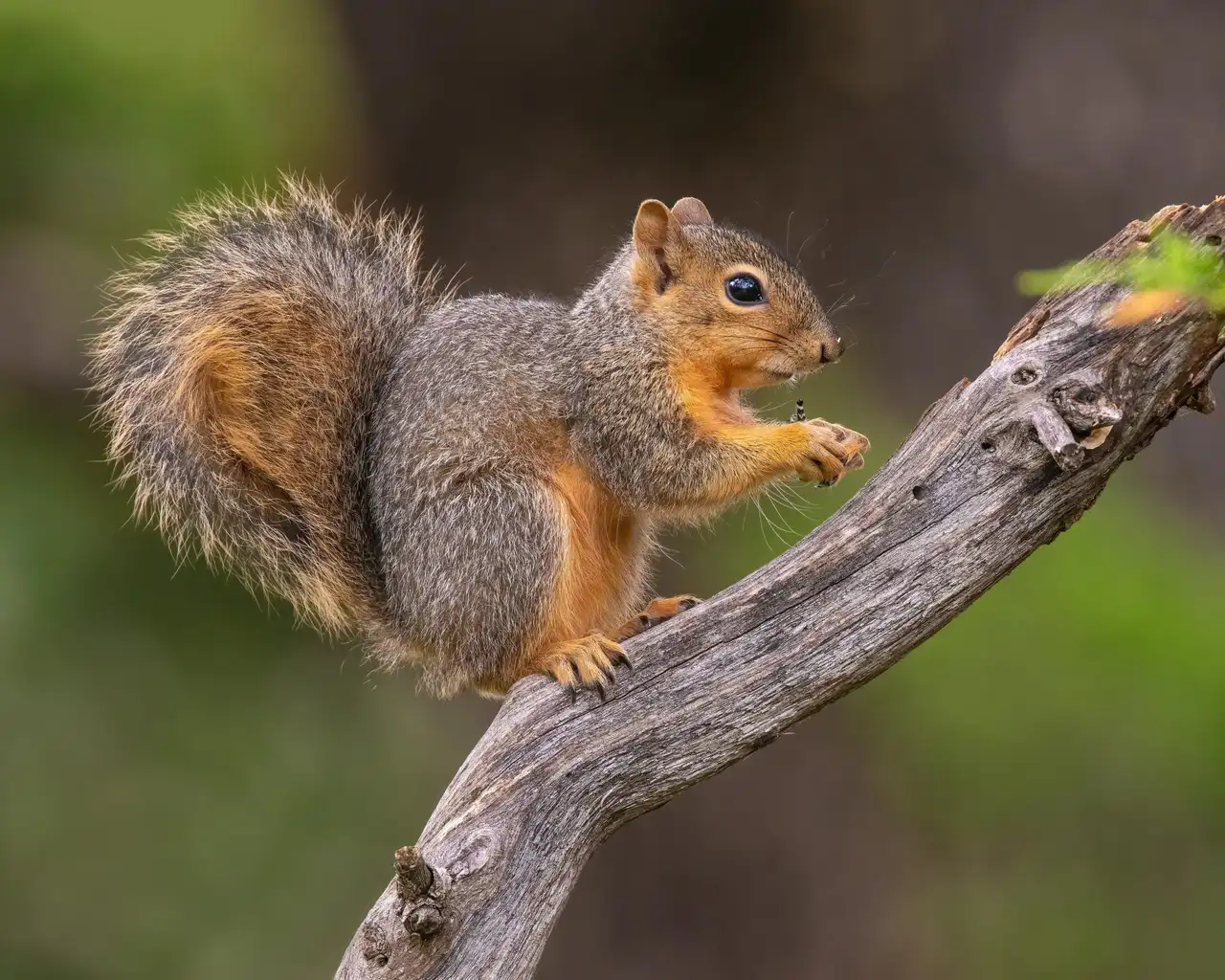
One-Way Doors (No Litter)
We seal every gap on the house except the main chewed entry, then mount a one-way door over it. The squirrel exits to forage and cannot chew back in through steel. Typically 2 to 4 days, no trapping, no relocation questions.
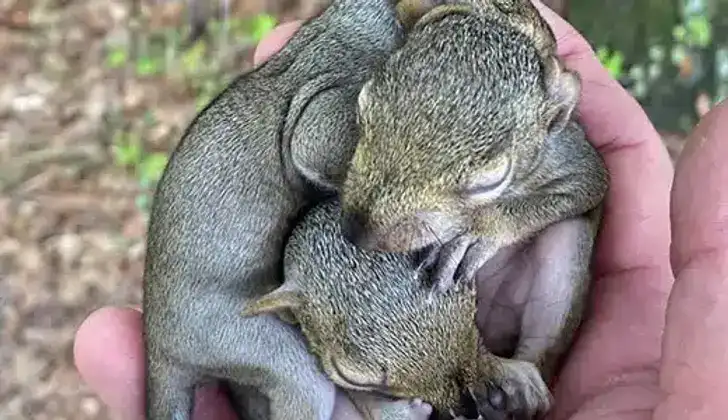
Litter Removal (Baby Season)
Baby squirrels are removed by hand and staged warm at the entry so the mother carries each one to her backup nest. Gray squirrels always keep a second nest, and she will move the litter herself within hours. A one-way door used on a nursing female strands the babies in your insulation. That is the mistake cheap and fast removal makes.
What New Jersey Law Allows
Gray squirrels are a protected game species in New Jersey, and trapping and relocating them is regulated by NJDEP Fish and Wildlife. We work under NJDEP license #92411B and tell you straight what the law allows instead of what sounds nice. Exclusion, done right, avoids most of those questions entirely.
Chewing and Fire Risk: Why Squirrels Are Not a Wait-And-See Problem
The other reason not to wait is the calendar. South Jersey grays breed twice a year, with litters born roughly February through April and again August through October. Wait a few weeks at the wrong time of year and a one-squirrel job becomes a family job, which takes longer and costs more. Our two busiest squirrel months at Acorn Wildlife are March and September for exactly this reason.
Squirrels in the walls instead of overhead? That is usually a fallen juvenile, and it is urgent. See our scratching in walls guide.
Sealing Squirrels Out for Good
Removal without exclusion is a revolving door, because the chewed entry and the scent trail advertise your attic to every squirrel in the neighborhood. Our repairs use steel and hardware cloth that squirrel teeth cannot beat, and they carry the Acorn Seal-Tight Warranty: if an animal gets back in through a repair we made, we come back at no charge.
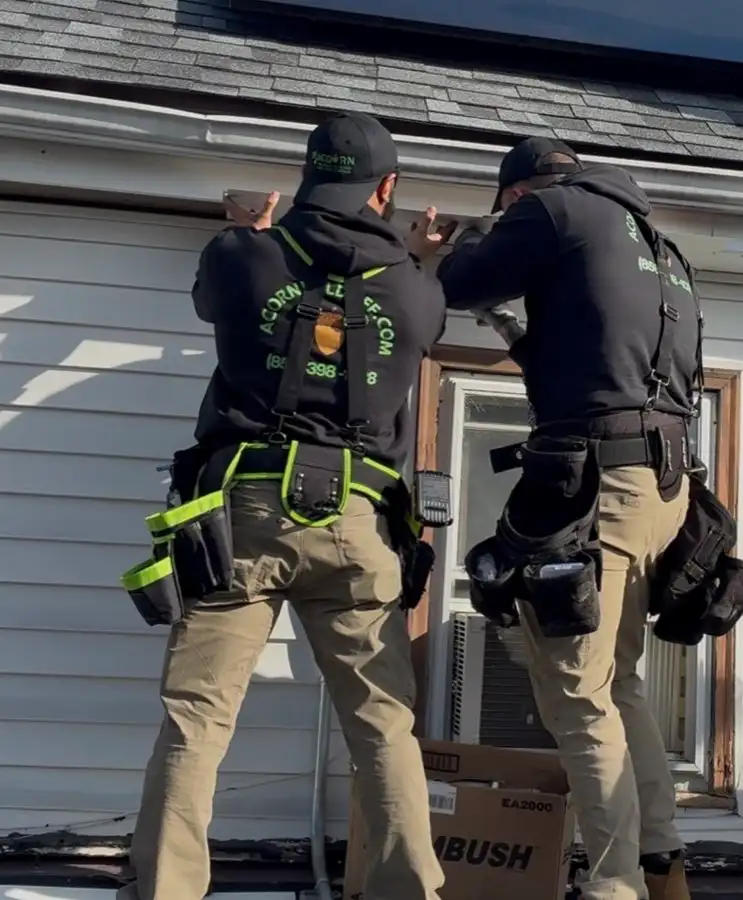
Roofline & Fascia
The classic squirrel entry: the builder's gap where roof meets fascia. We flash it in metal end to end, not just at the hole.
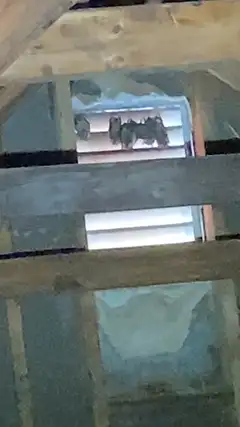
Gable Vents
Original louvered vents on 1960s South Jersey homes are squirrel doors. Hardware cloth backing ends it.
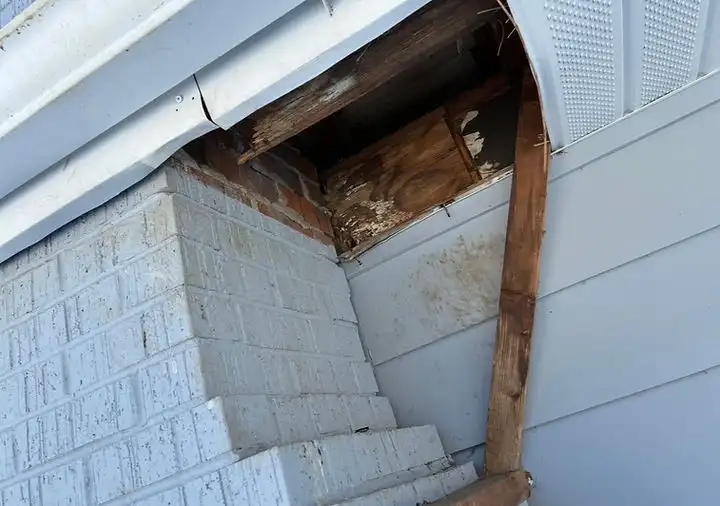
Soffit Returns
Chewed returns get steel backing plus new material, painted to match your trim.
See how we seal each entry point: rooflines, soffits and eaves, and vents. The full approach lives on our wildlife exclusion page, and attic cleanup and sanitization handles droppings and chewed insulation after removal.
Squirrel Removal Near You
Squirrel FAQs
Will squirrels leave the attic on their own?
Can I just set a trap myself?
Do squirrels really cause house fires?
How fast can Acorn get squirrels out?
What if it sounds like squirrels but only at night?
Not Sure Which Squirrel You Have?
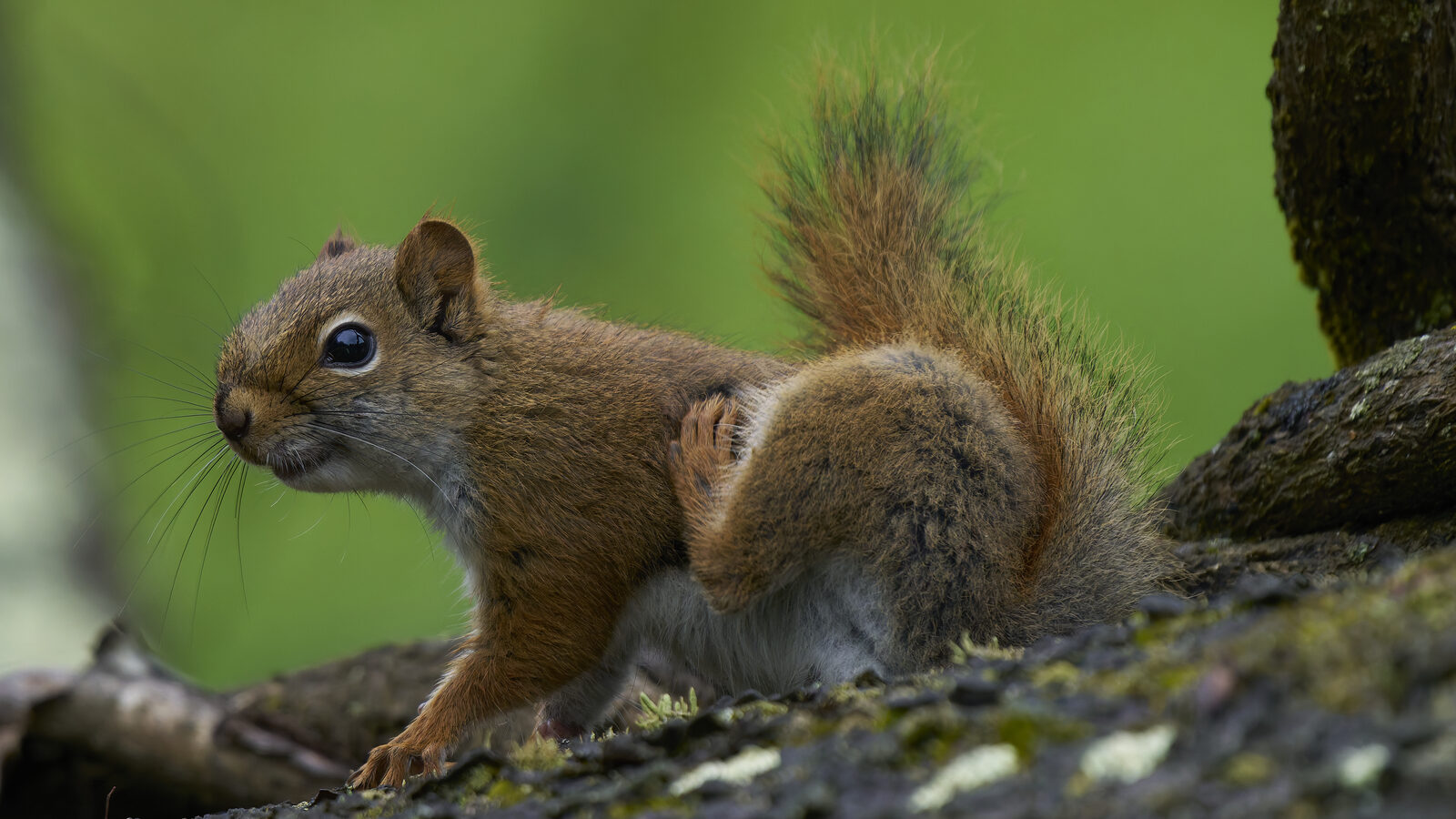
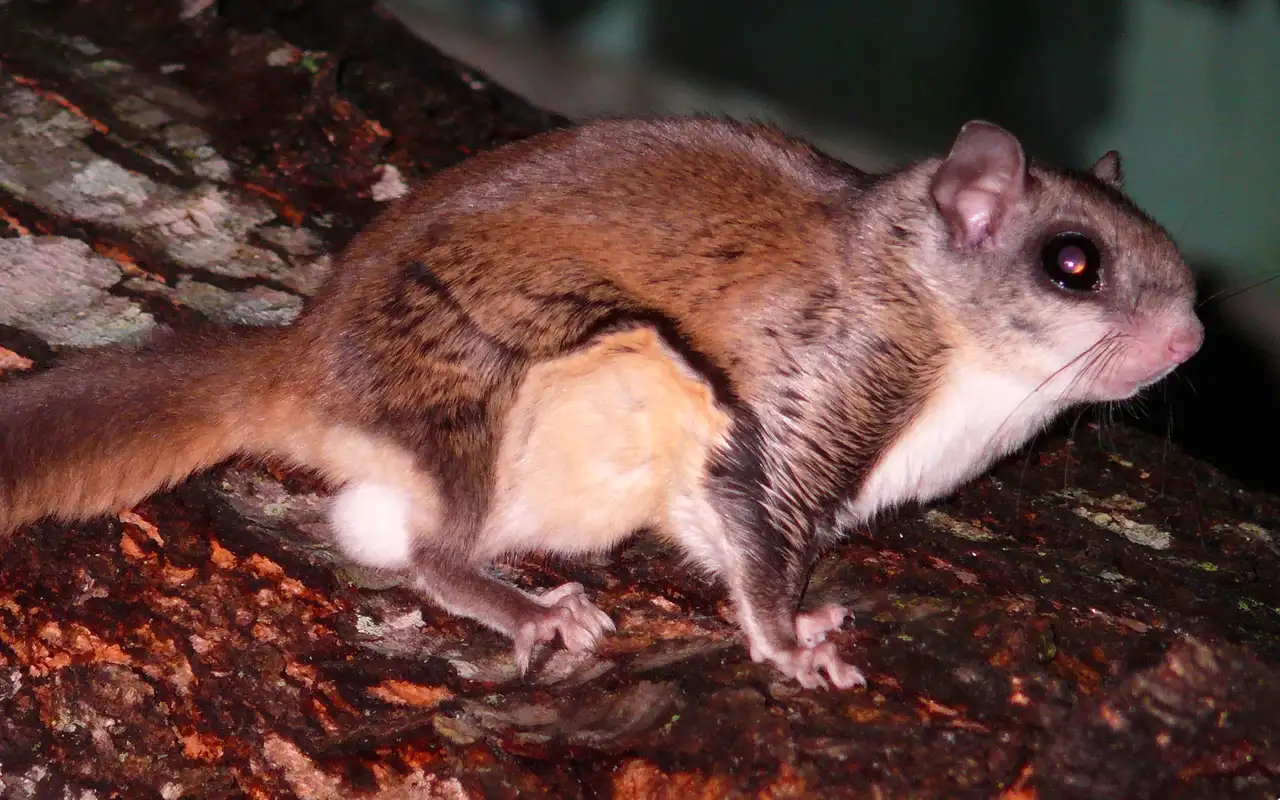
Three squirrels get into South Jersey attics and they are not the same job. Gray squirrels are this page. Red squirrels are smaller and exploit gaps a gray-squirrel seal would call finished. Flying squirrels are strictly nocturnal and live in colonies.
Free · No obligation
Every Acorn Job Starts With a Free Inspection
Before we quote a dollar of work, a licensed technician walks the whole property — roofline, soffits, vents, chimney, the full foundation line, the attic or crawl space, the decks and the yard — and finds every opening an animal is using, plus the ones it would use next. It takes as long as it takes: often an hour, sometimes two. There is no charge for the visit.
✓ Free whether or not you hire us
✓ No call-out fee, no minimum, no signature on the day
✓ Every entry point photographed and shown to you
✓ A written quote priced off what was actually found
Ready to Be Squirrel-Free?
Free same-week inspection, photo-documented entry map, written quote. Humane, always.