Home › Wildlife Removal › Animals in Walls
Sound diagnosis · No poison indoors · Warrantied sealing
Scratching in Your Walls? Here's What It Usually Is
A noise inside a wall feels closer and creepier than the same noise in an attic, and it usually means the animal is using your wall cavities as a highway between the attic or crawl space and the rest of the house. Acorn Wildlife diagnoses wall noises by sound and location, retrieves animals that are stuck, and seals the routes they travel. Here's how to read what you're hearing.
Short answer: Wall scratching is usually mice or rats at night, a squirrel at dawn and dusk, or a young animal that fell into the cavity and can't climb out. Acorn Wildlife identifies the animal by sound and schedule, removes it humanely without poison, and seals the exterior entry points so the walls stay quiet.
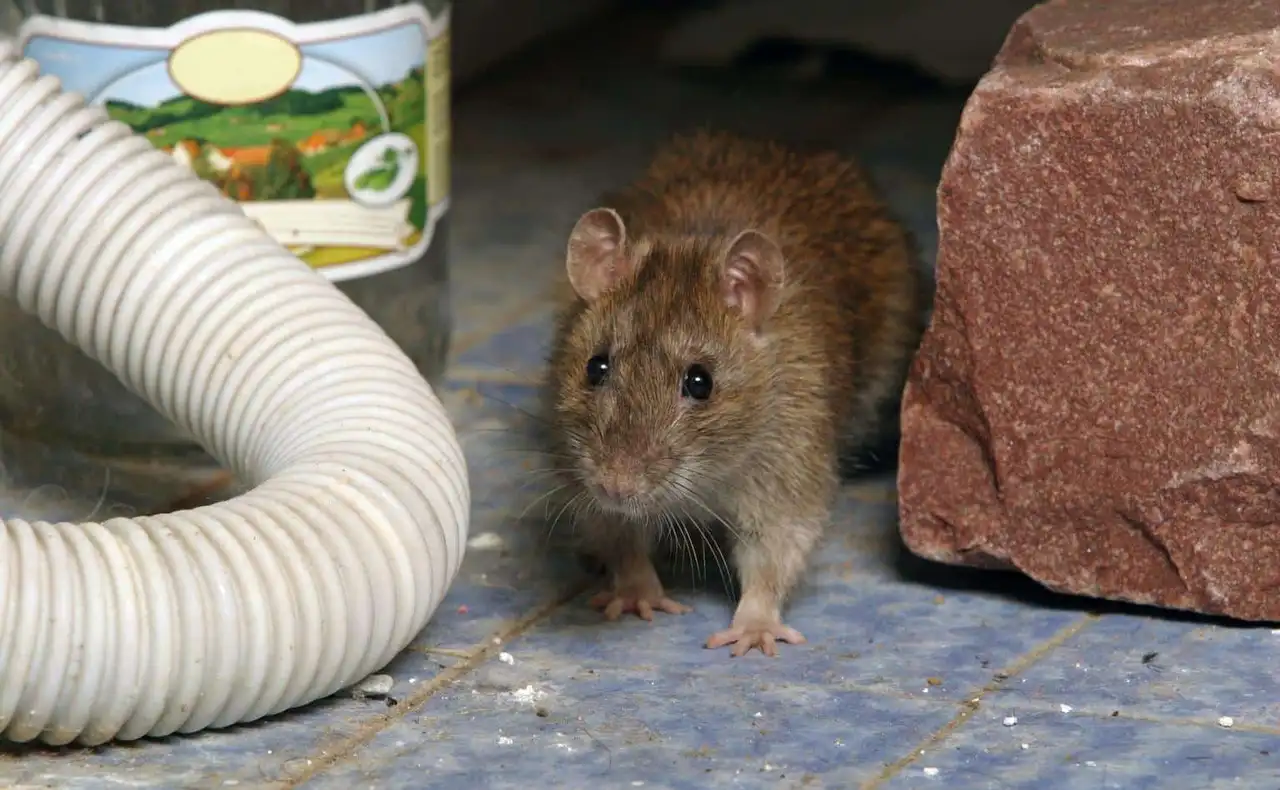
What Animal Is Scratching in My Wall?
Short answer: Listen for schedule and texture. Light scratching and gnawing late at night is mice or rats. Fast, frantic scrambling at dawn or dusk is a squirrel, often one that fell in and is trying to climb out. Slow, heavy movement between floors is a raccoon. Fluttering in summer is a bat or a bird.
Mice and Rats
Light scratching, gnawing, and pattering along the same route night after night, usually starting an hour after the house goes quiet. Rodents run wall cavities like hallways between the basement and attic.
Squirrels
Loud, urgent scrambling at dawn or dusk, often from one fixed spot. A squirrel that fell down a wall cavity can't climb smooth drywall back out, and the noise gets more desperate over a day or two. That one is a same-day call.
Raccoons
Slow, heavy shifting and thumping, usually between a ceiling and the floor above rather than a true exterior wall. In spring, faint chittering can mean kits stashed in the cavity by their mother.
Birds and Bats
Fluttering, wing-buffeting, and faint scratching high on the wall in summer, usually behind a vent or at the roofline. Chimney noises are their own case: see our animal in the chimney page.
Location matters as much as sound. Noise low on the wall near the floor usually traces to the basement or crawl space; noise high on the wall traces to the attic or roofline. If the sound is clearly overhead rather than beside you, start with our attic noise guide, because most wall travelers live upstairs.
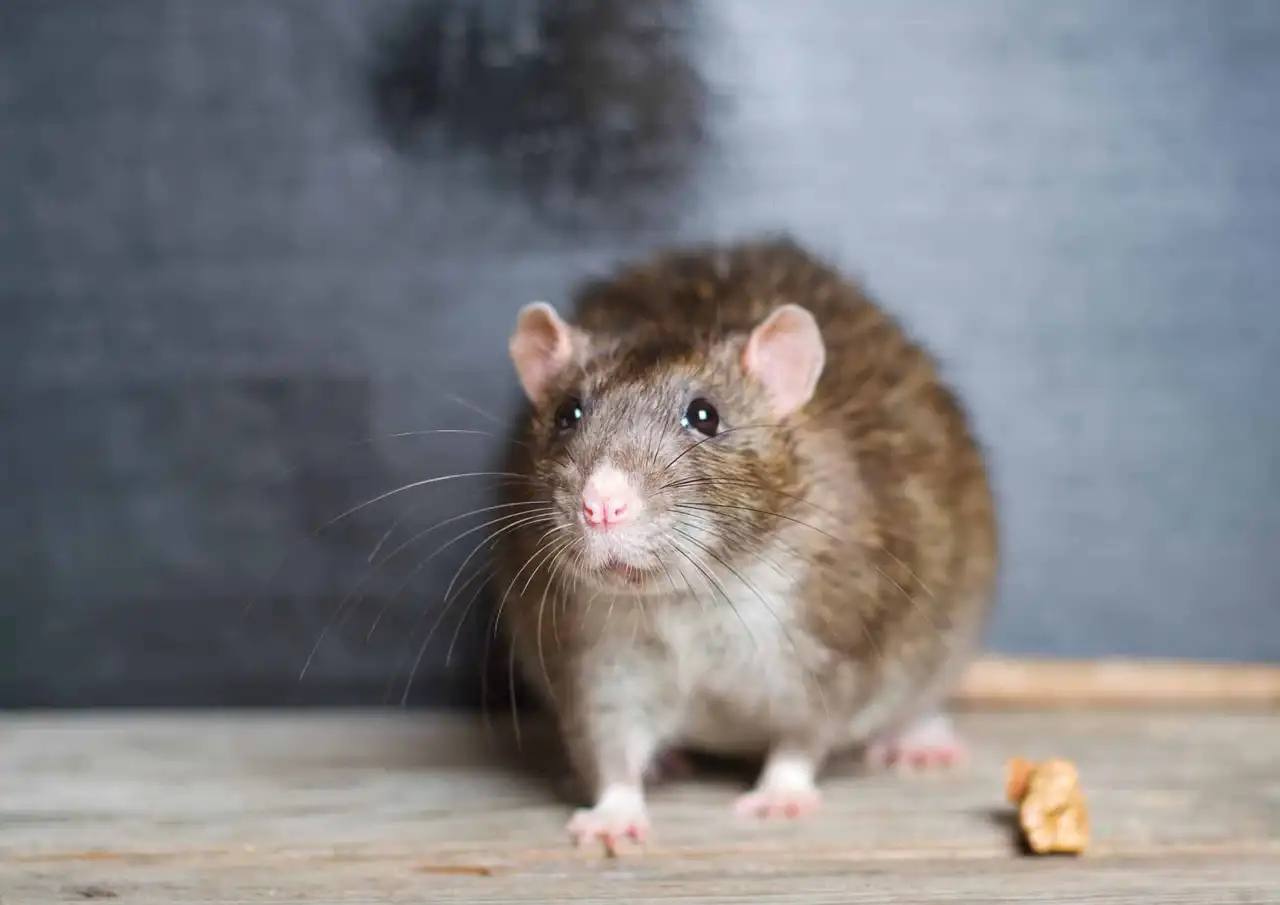
Rats and mice treat wall cavities as protected highways between floors.
Why You Should Never Put Poison in a Wall
This is the single most common way a cheap fix becomes a much bigger bill, and we see it every month. The bait works exactly as designed: the rodent eats it, gets slow and dehydrated, and retreats somewhere safe to die. Somewhere safe means your wall cavity, your subfloor, or the middle of your insulation. Now there's a decomposing animal you can smell but can't see, flies finding it before you do, and drywall that needs to be opened to get it out. We cover that whole process on our dead animal removal page.
There's a second honest reason: poison doesn't fix anything. The entry points are still open, and the next rodents move in on the same routes. Trapping plus sealing is the only combination that actually ends the noise. It's more work upfront, and it's the only version of this job we're willing to warranty.
How Acorn Gets Animals Out of Walls
Wall jobs have three parts: find it, retrieve it, and close the road it used. Here's what each looks like on a real South Jersey job.
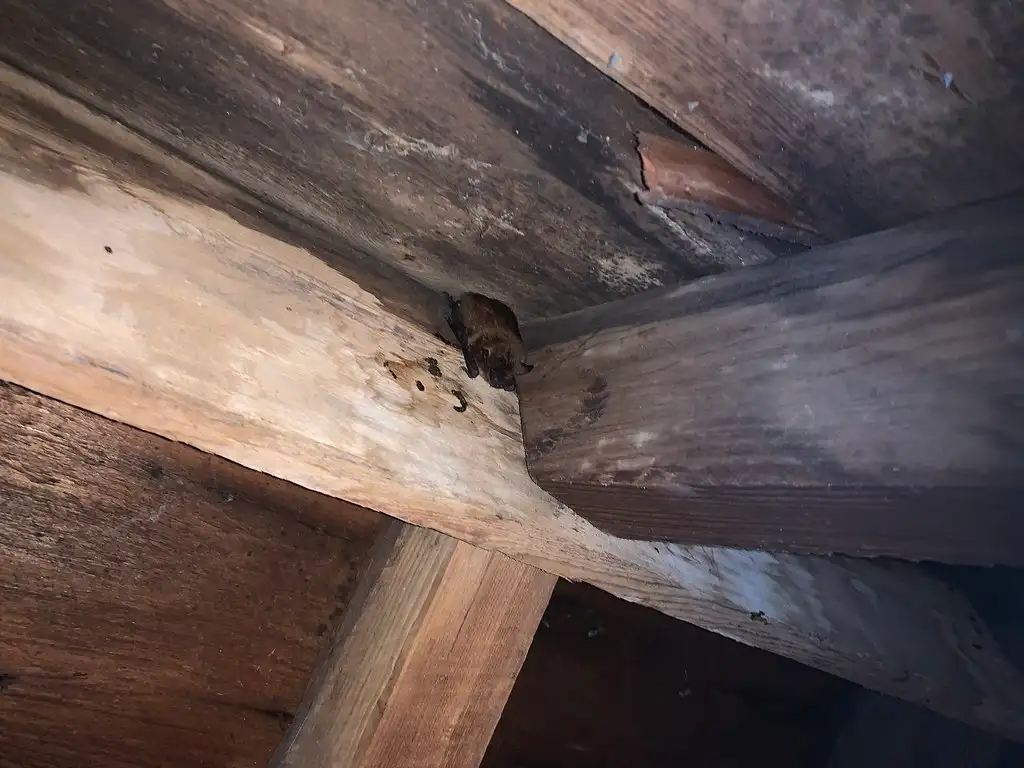
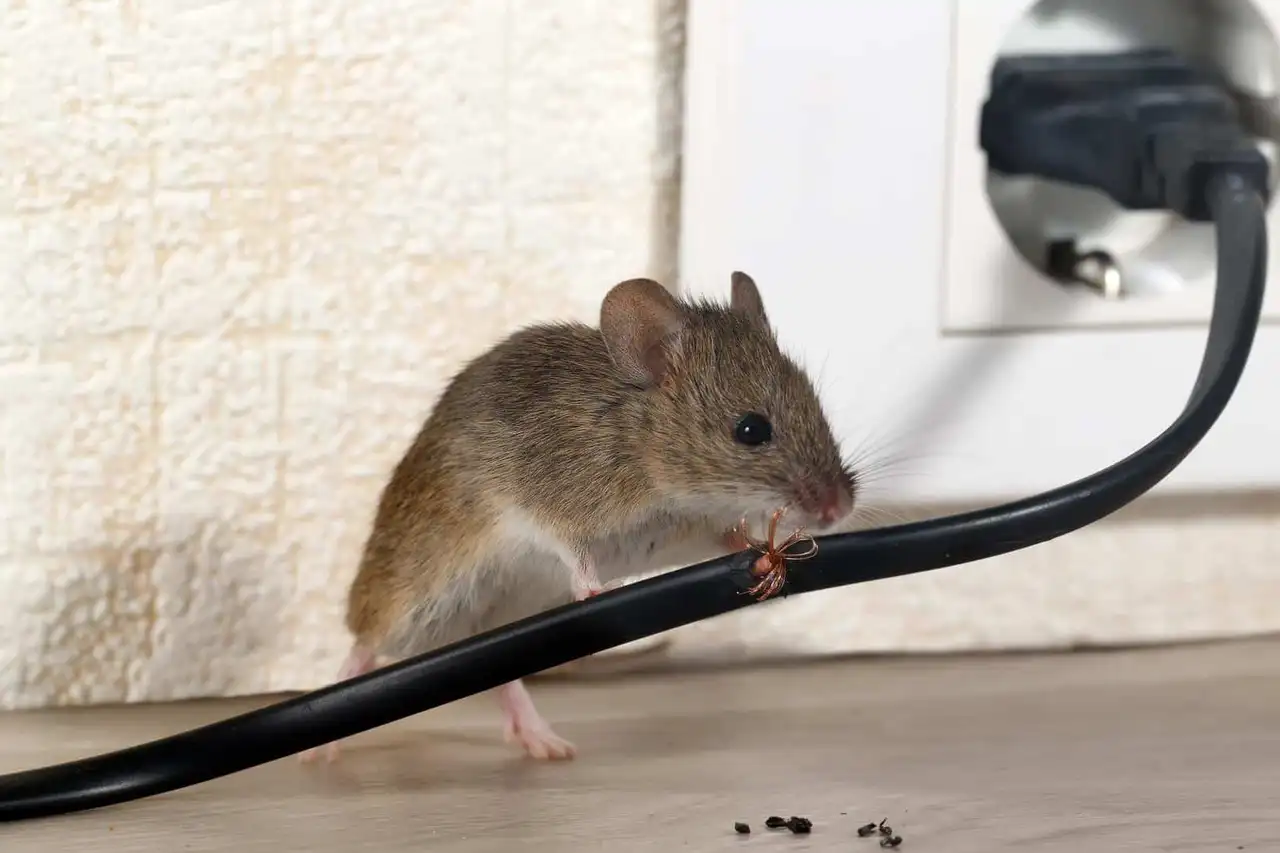
Locating the Animal
We narrow the position by listening, tapping, and checking the cavity from above or below before anyone cuts drywall. An animal traveling freely gets intercepted at the attic or crawl-space end of its route with traps or one-way doors, and the wall never gets opened at all. Cutting is for animals that are stuck, not animals that are commuting.
Opening and Retrieving
When an animal is trapped in the cavity (a fallen squirrel, a stashed raccoon kit, a carcass), we open the smallest access hole that does the job, in the least visible spot that reaches the animal. Retrieval is by hand, humanely. We're straight with you about drywall: we make clean, patchable openings and we'll coordinate the patch, but wildlife retrieval sometimes means a repair visit afterward. Anyone who promises otherwise hasn't done many of these.
Sealing the Route
Every wall animal entered the building somewhere else: a foundation gap, a soffit return, a roofline opening, an unscreened vent. The inspection maps every one of them with photos, and our exclusion repairs close them with steel and hardware cloth under the Acorn Seal-Tight Warranty. Ground-level noise usually traces to the foundation and crawl space; high noise traces to the roofline and soffits.
Free · No obligation
Every Acorn Job Starts With a Free Inspection
Before we quote a dollar of work, a licensed technician walks the whole property — roofline, soffits, vents, chimney, the full foundation line, the attic or crawl space, the decks and the yard — and finds every opening an animal is using, plus the ones it would use next. It takes as long as it takes: often an hour, sometimes two. There is no charge for the visit.
✓ Free whether or not you hire us
✓ No call-out fee, no minimum, no signature on the day
✓ Every entry point photographed and shown to you
✓ A written quote priced off what was actually found
Ready for Quiet Walls?
Free same-week inspection, humane retrieval, sealed and warrantied routes. No poison indoors, ever.