Home › Wildlife Removal
The complete guide from a NJDEP-licensed operator
Wildlife Removal in South Jersey: How It Works and What to Expect
This is the page we wish every homeowner read before calling anyone, including us. It covers what counts as nuisance wildlife in New Jersey, how humane removal actually works, what it costs, and why the repair matters more than the trap.
Short answer: Professional wildlife removal in South Jersey means a licensed operator inspects your whole home, removes the animal humanely using the method the species and season require, then seals every entry point so it can't happen again. At Acorn Wildlife the inspection is included and the exclusion work is warrantied.
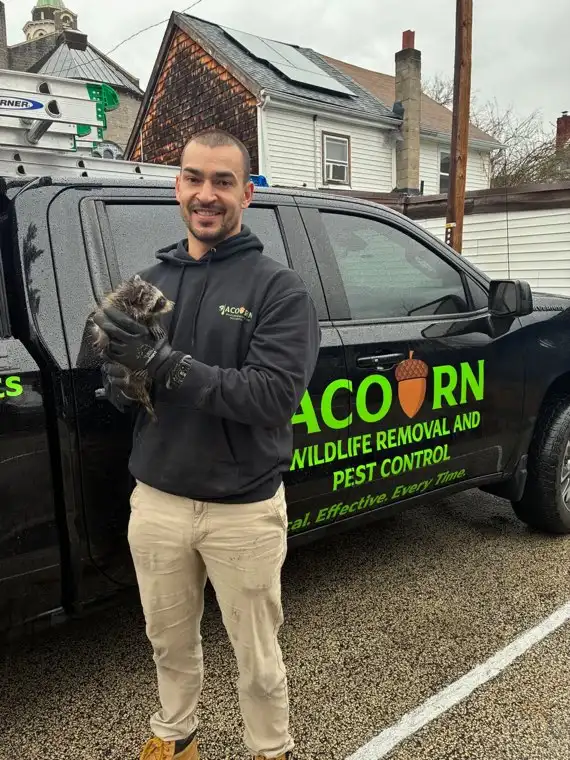
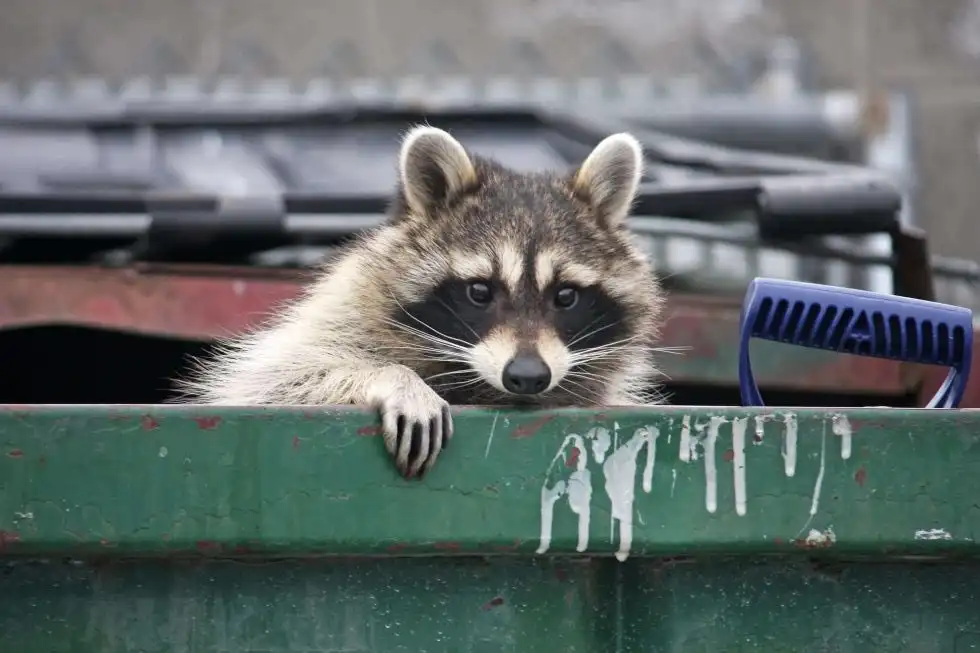
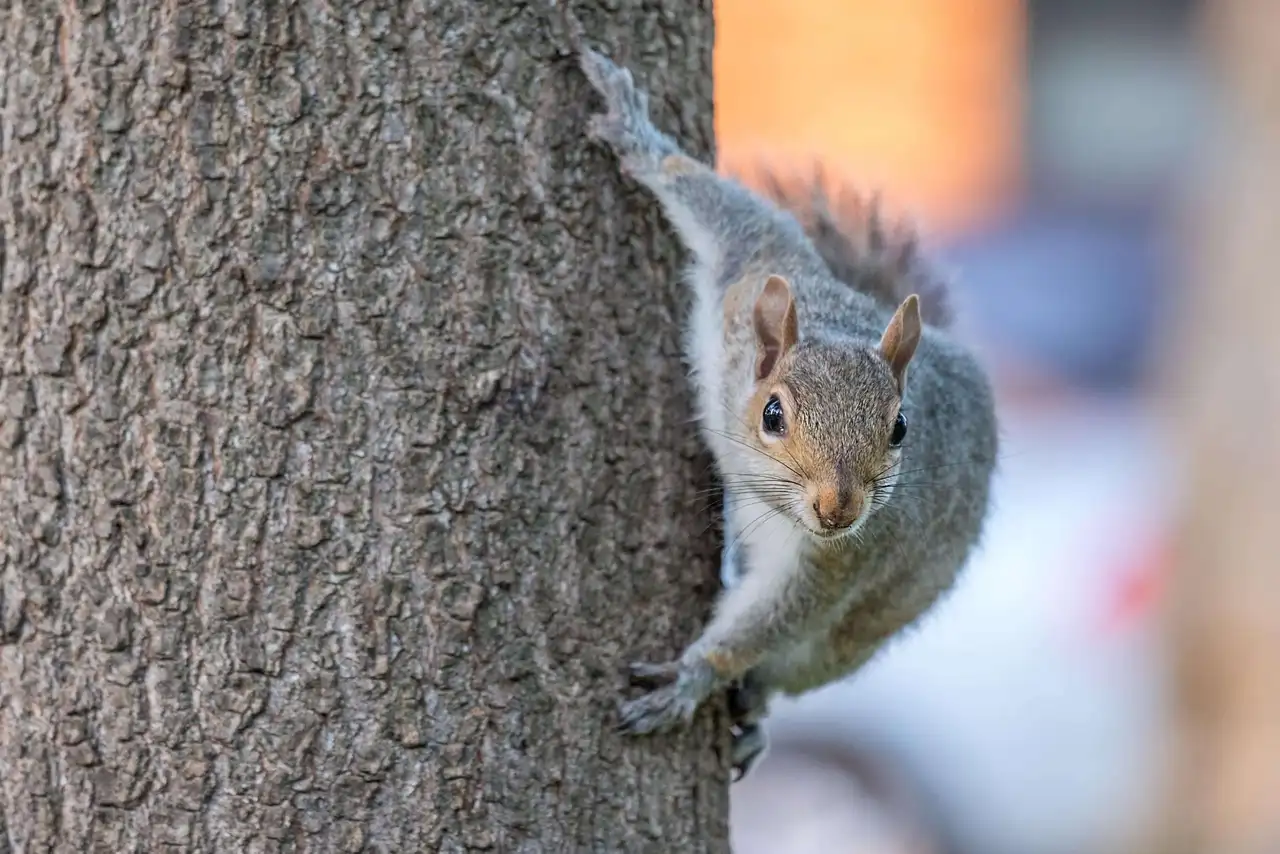
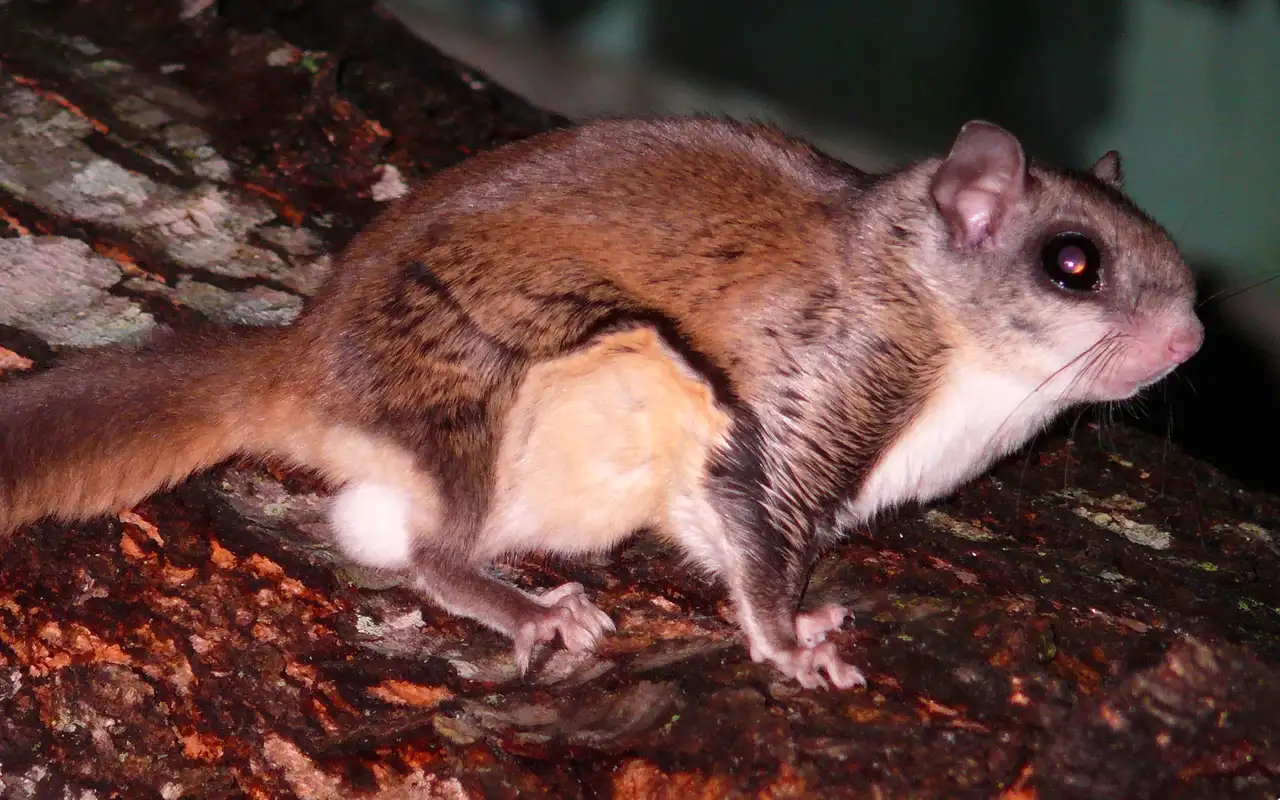
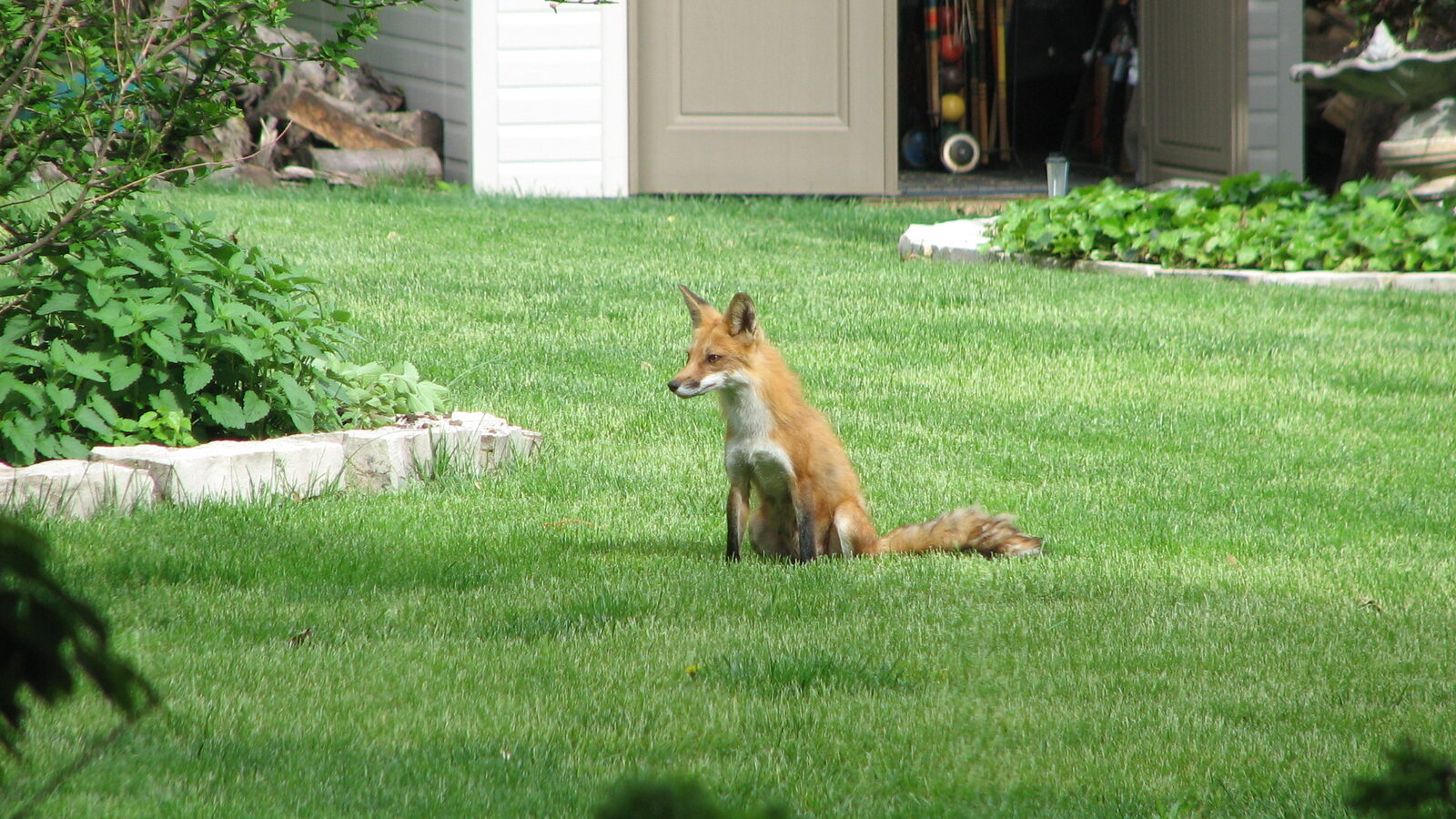
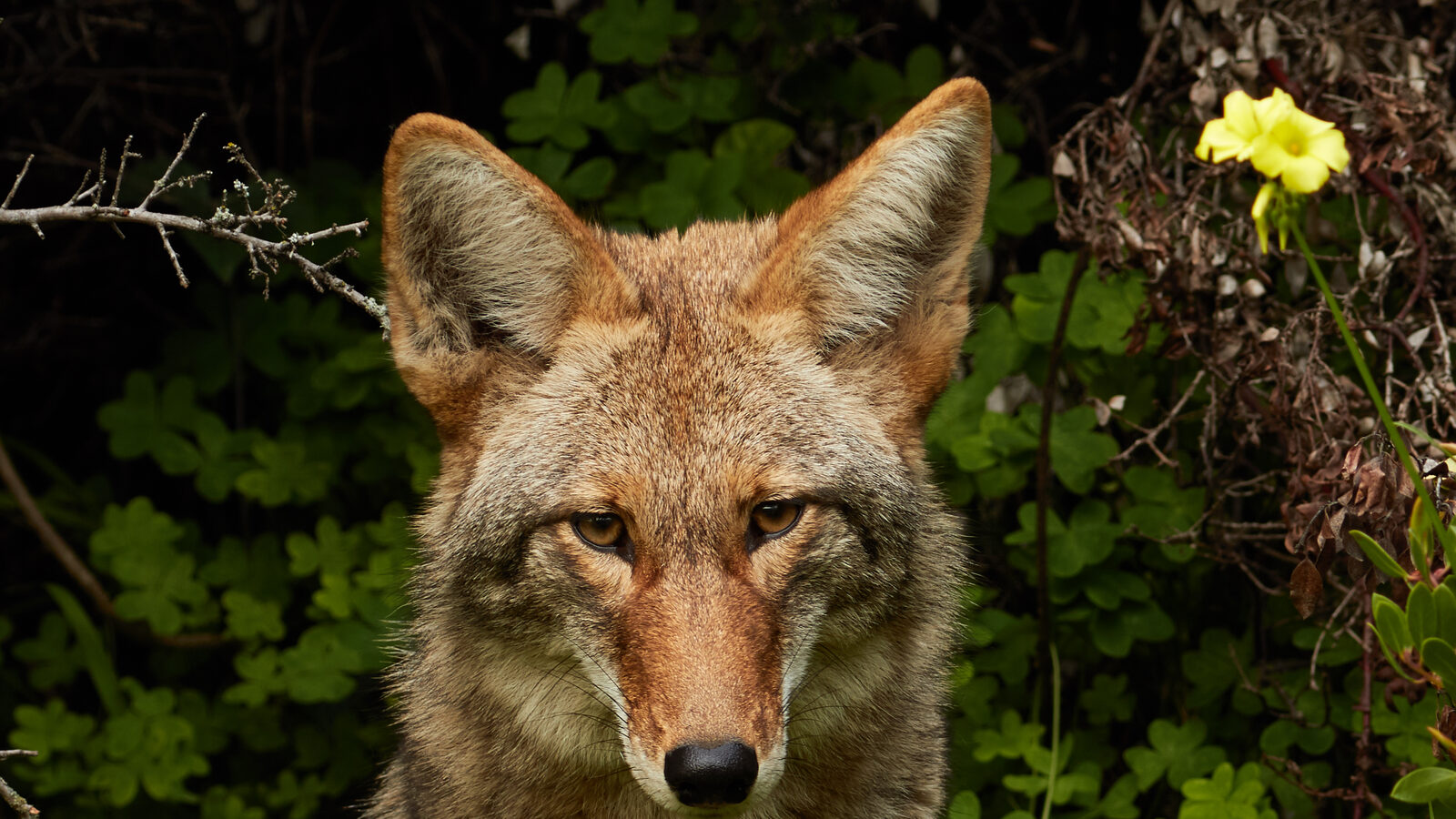
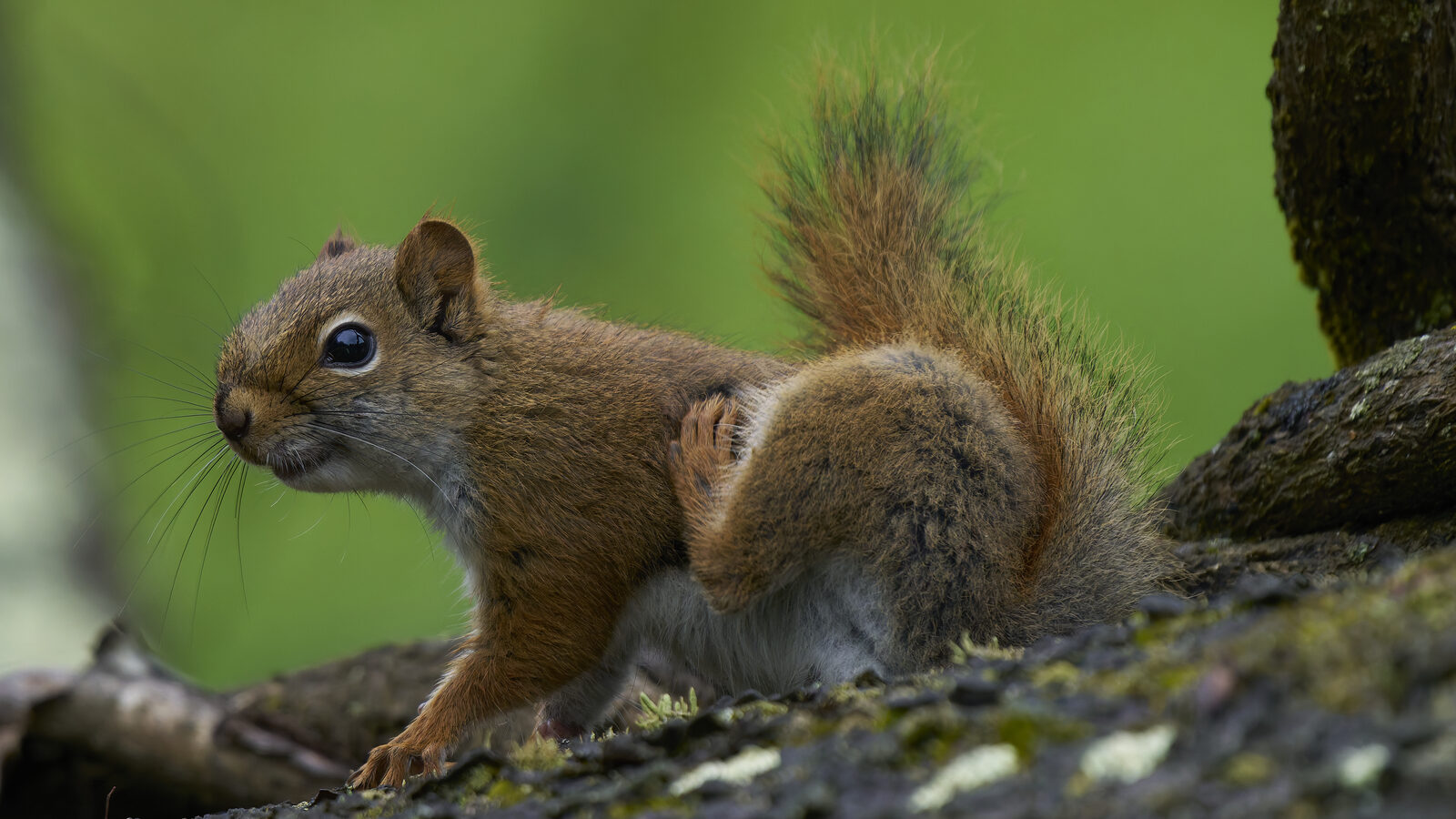
Which Animals Do We Remove?
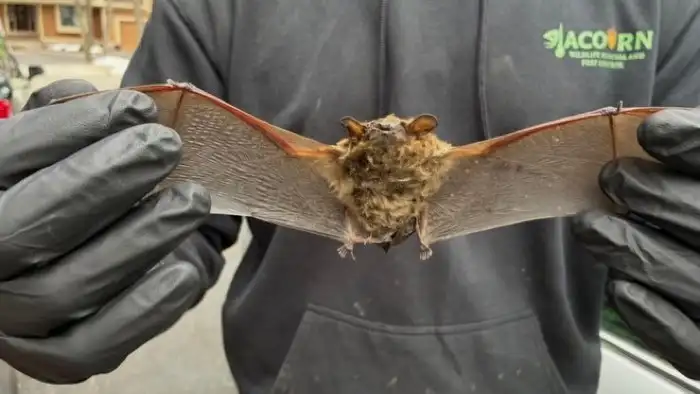
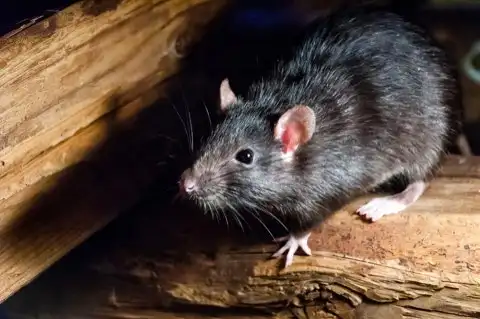
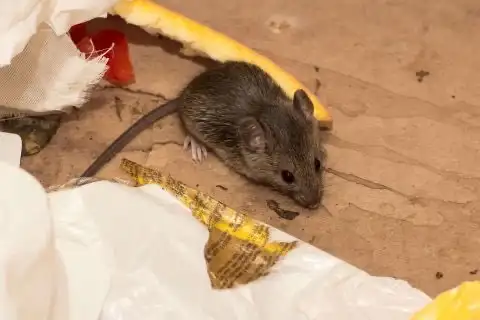
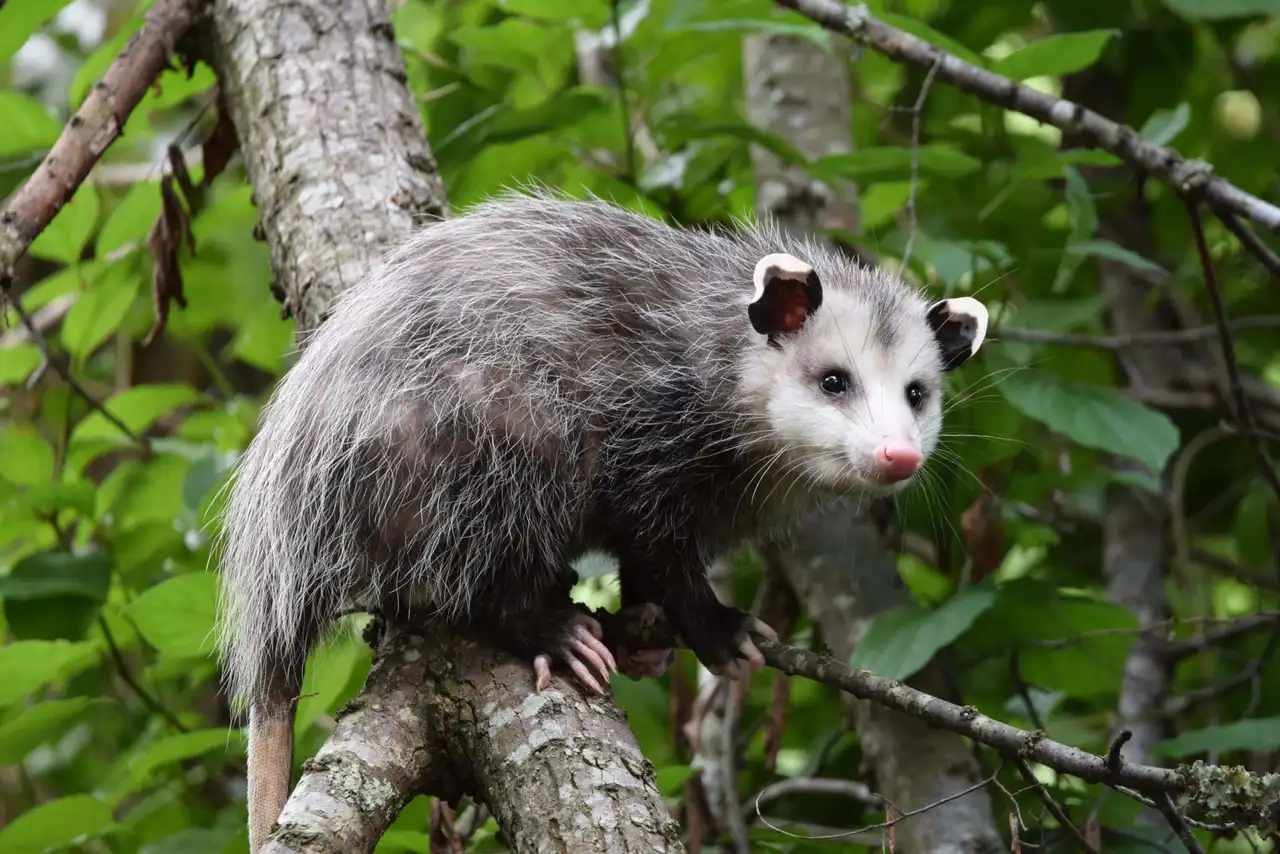

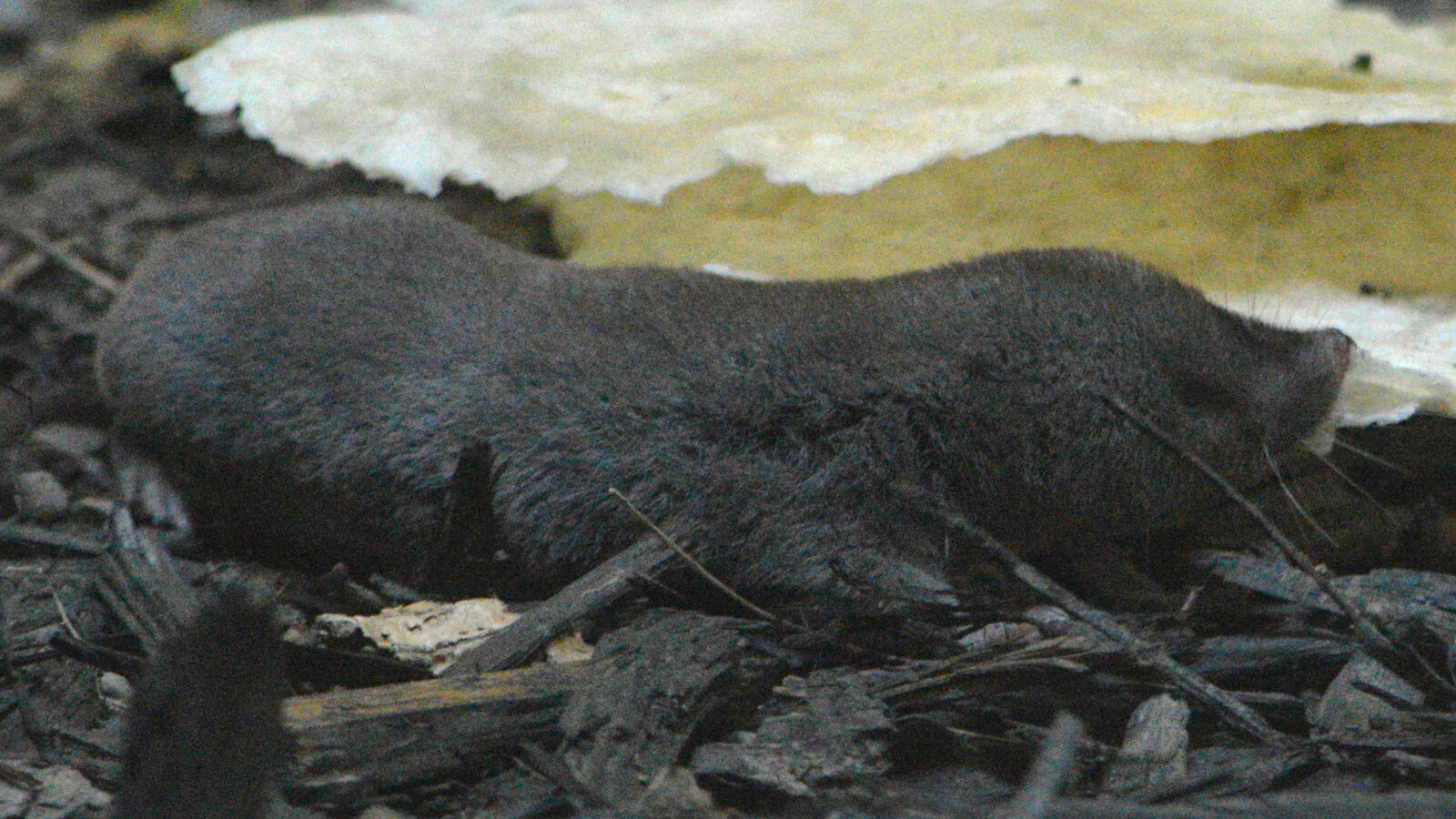
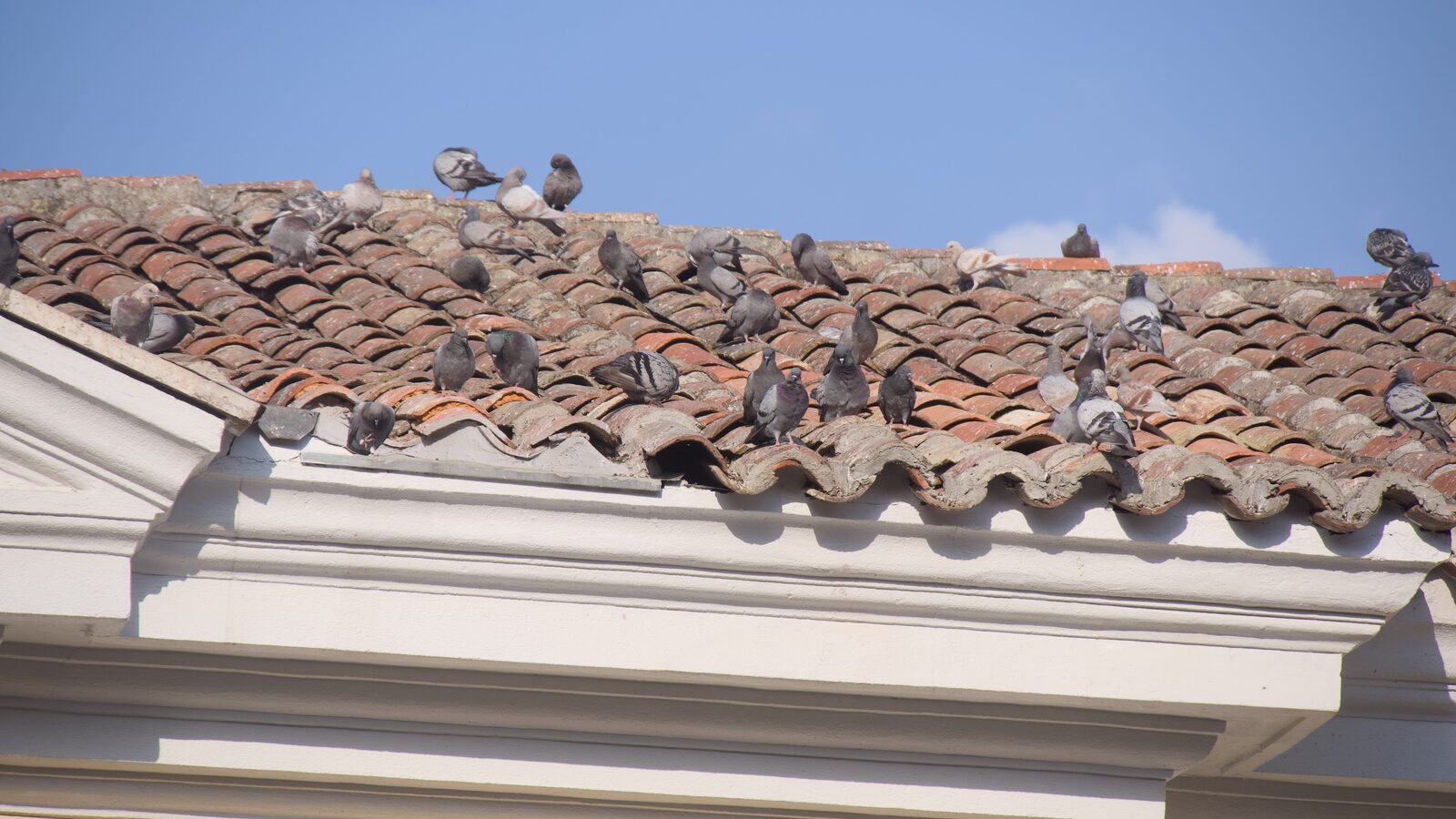
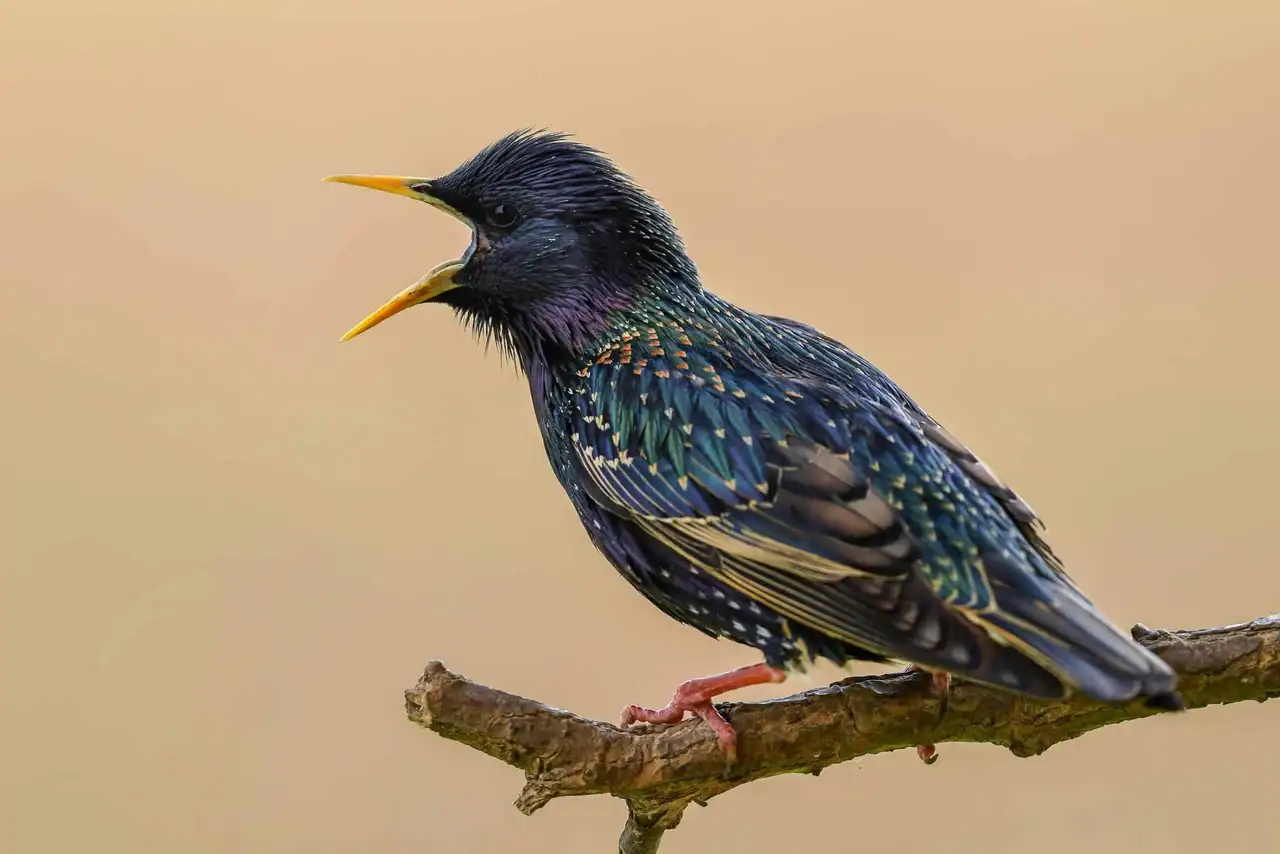
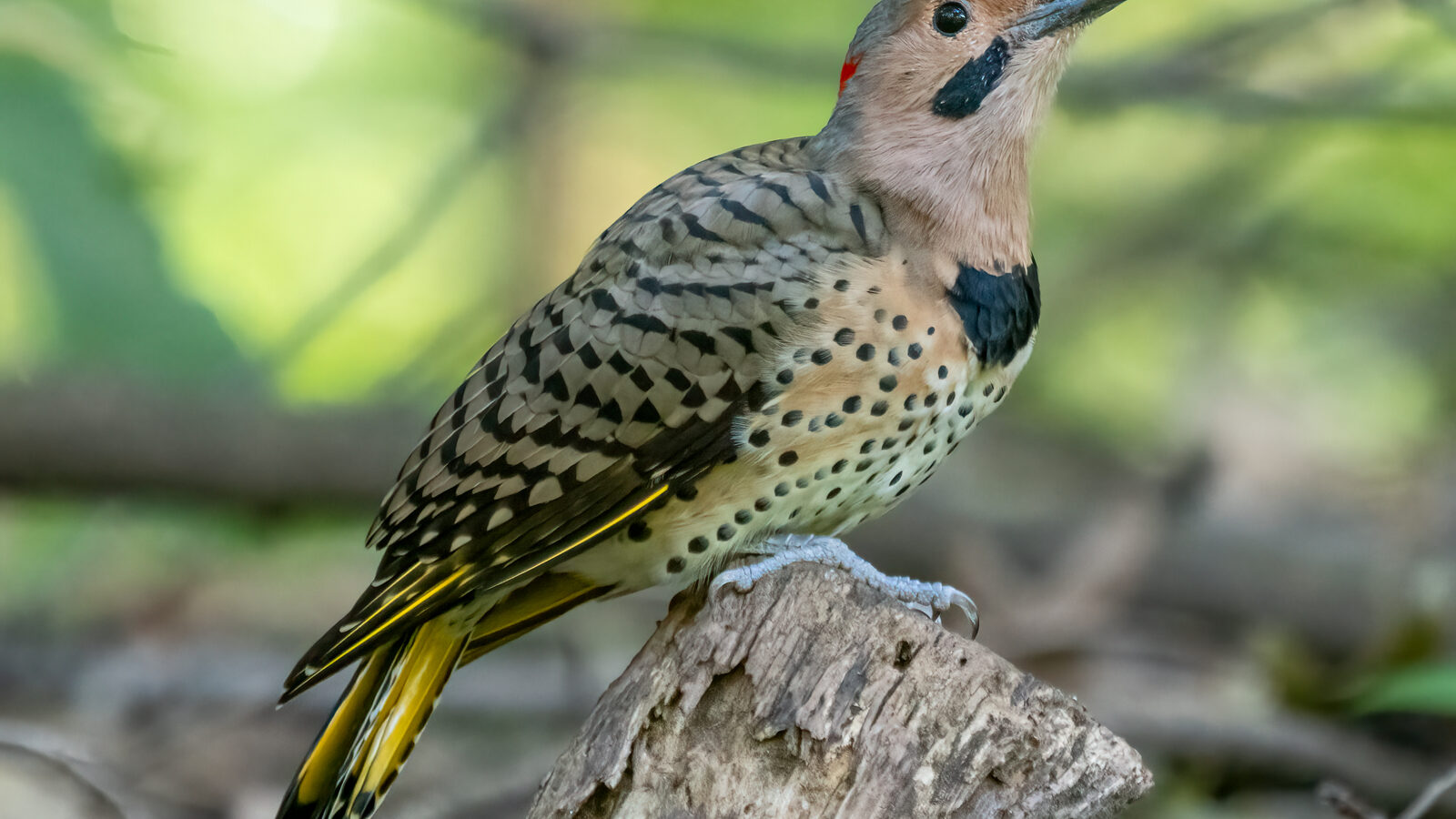
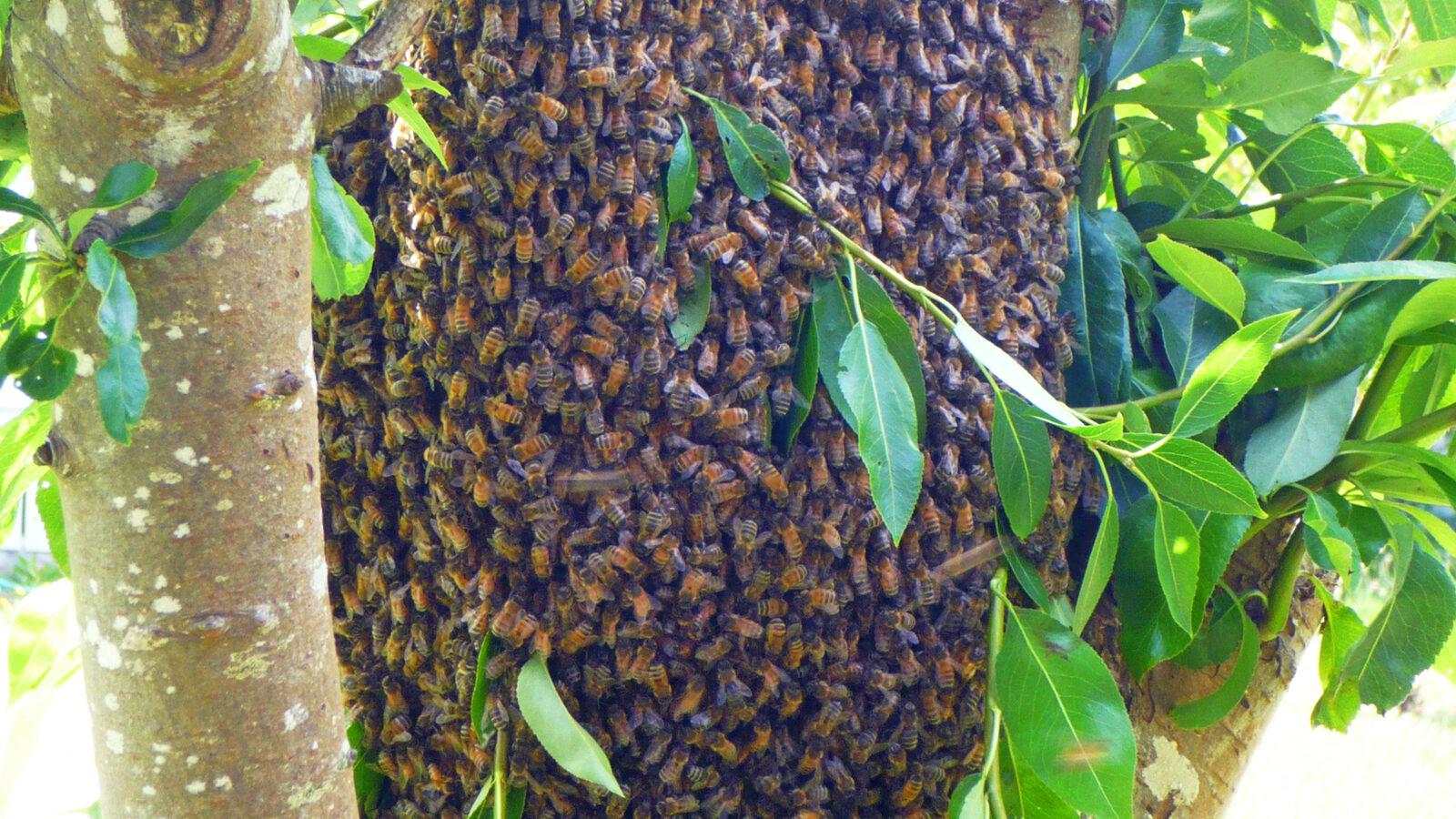
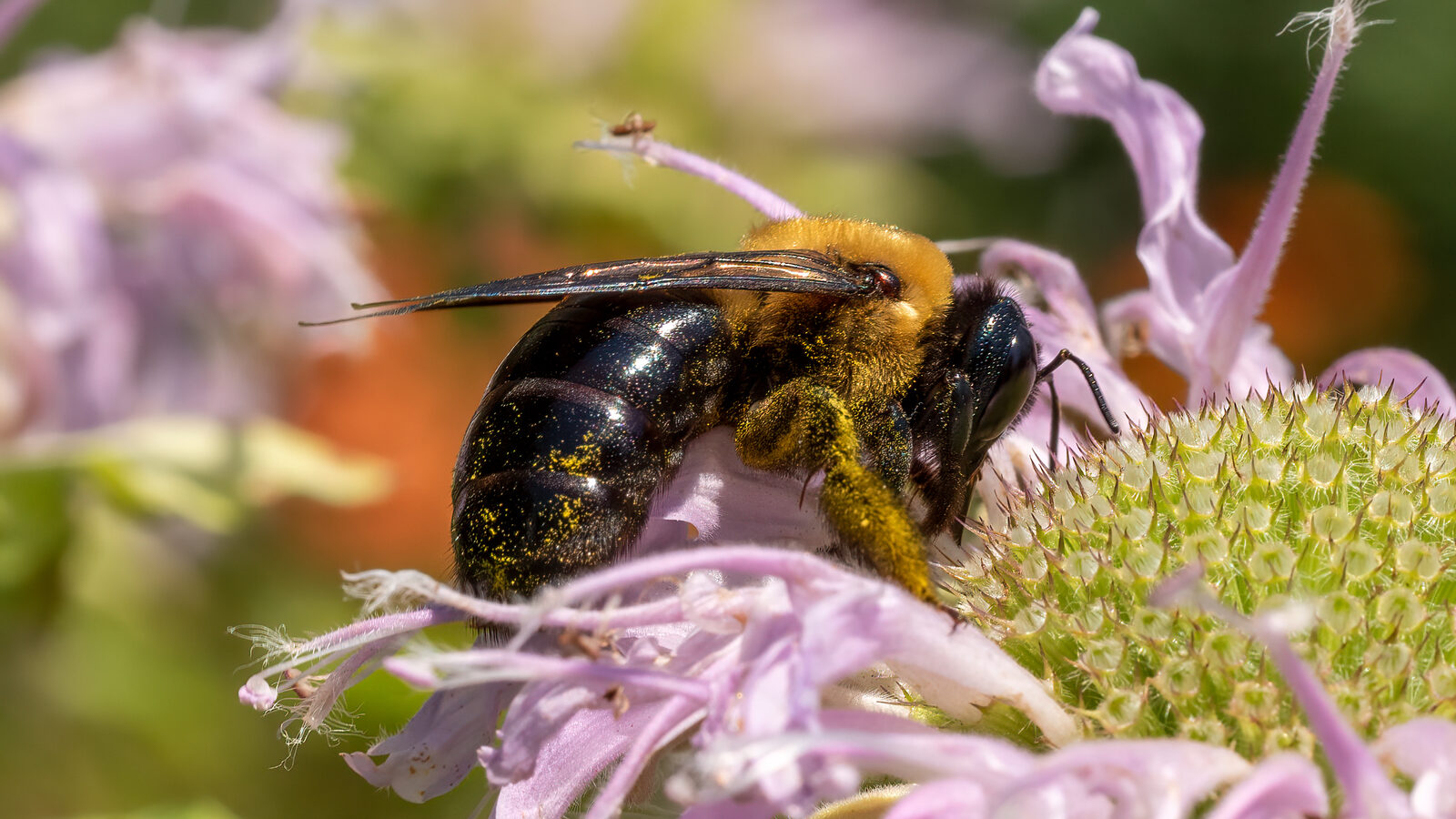
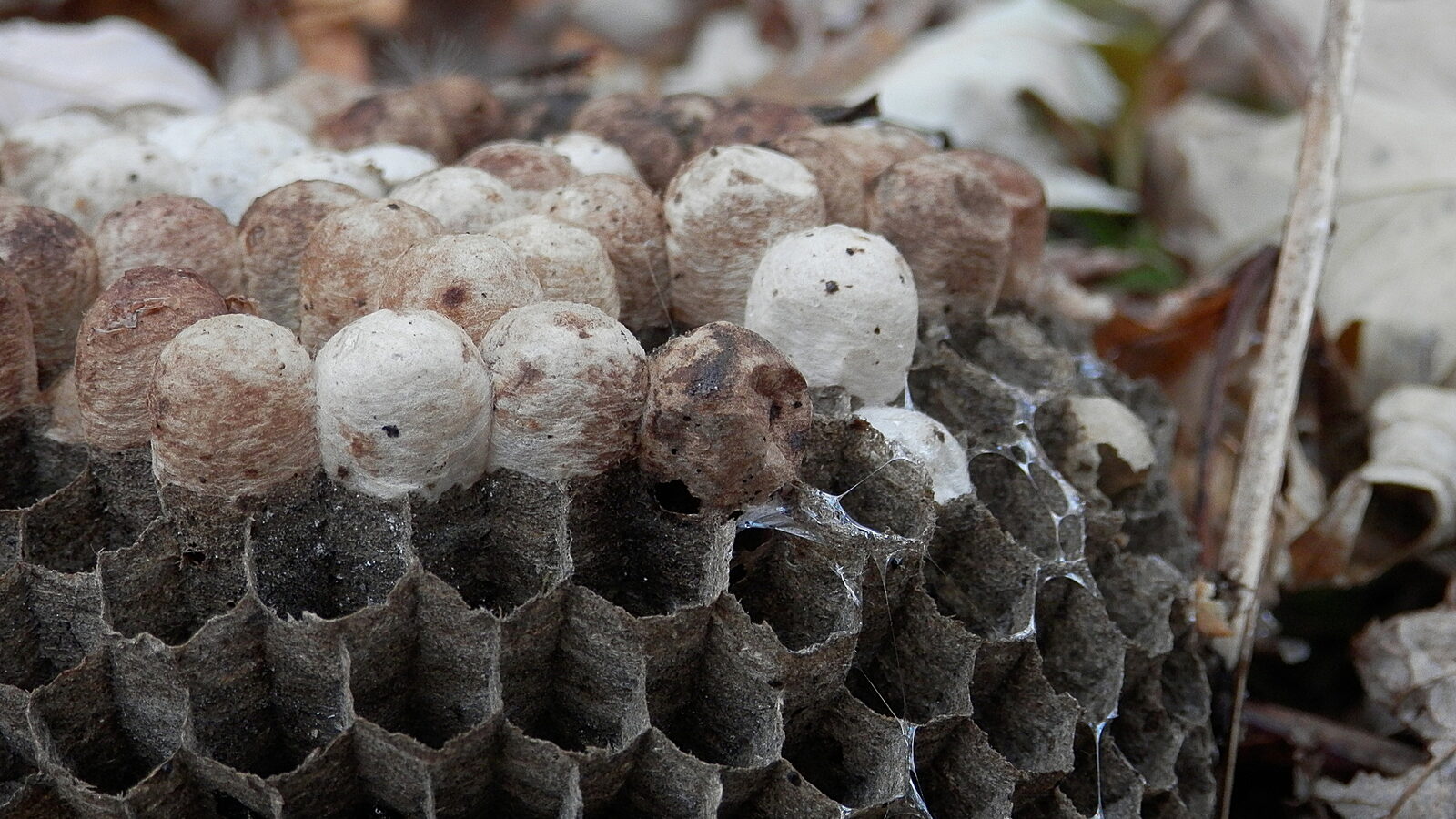
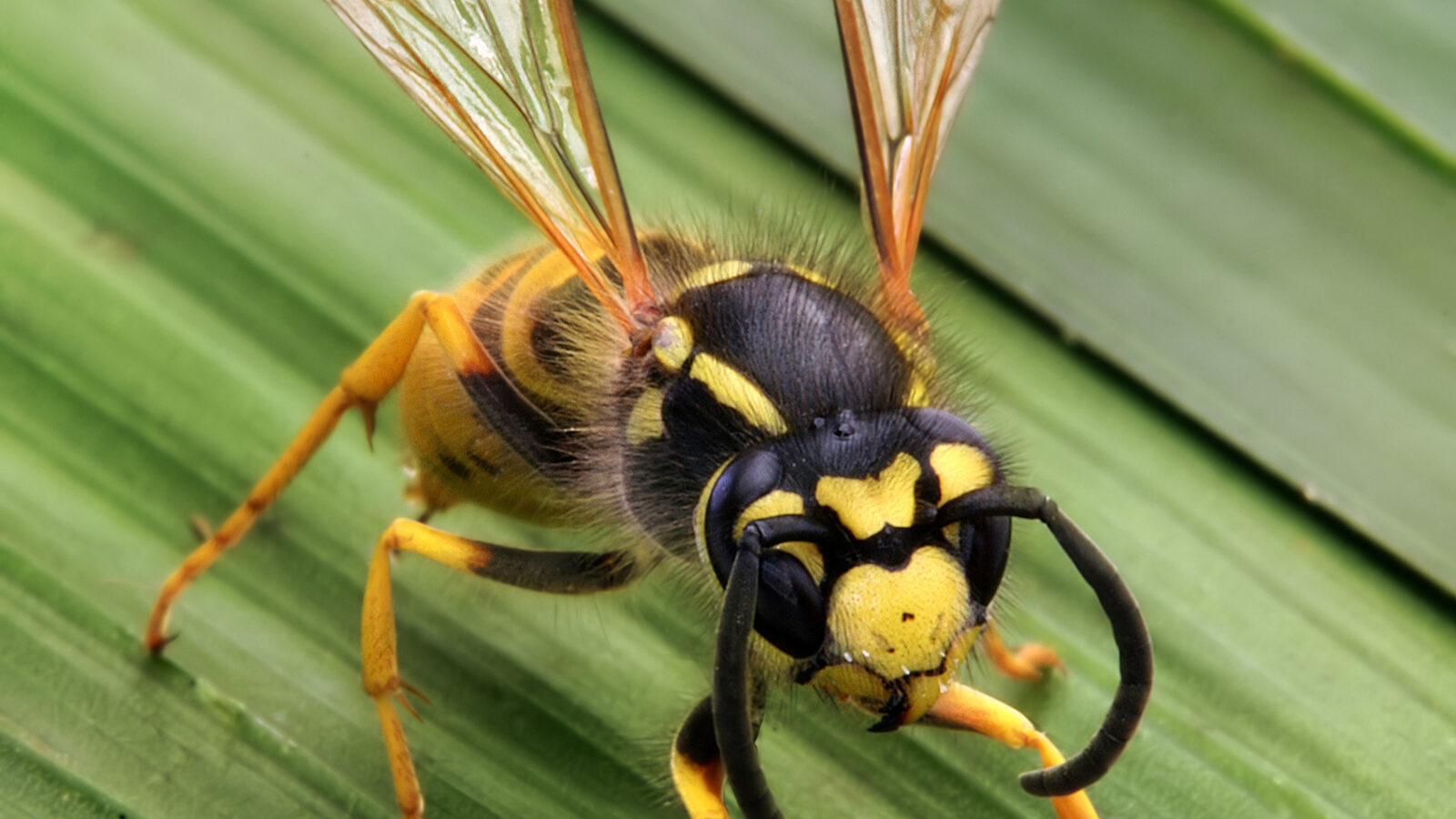
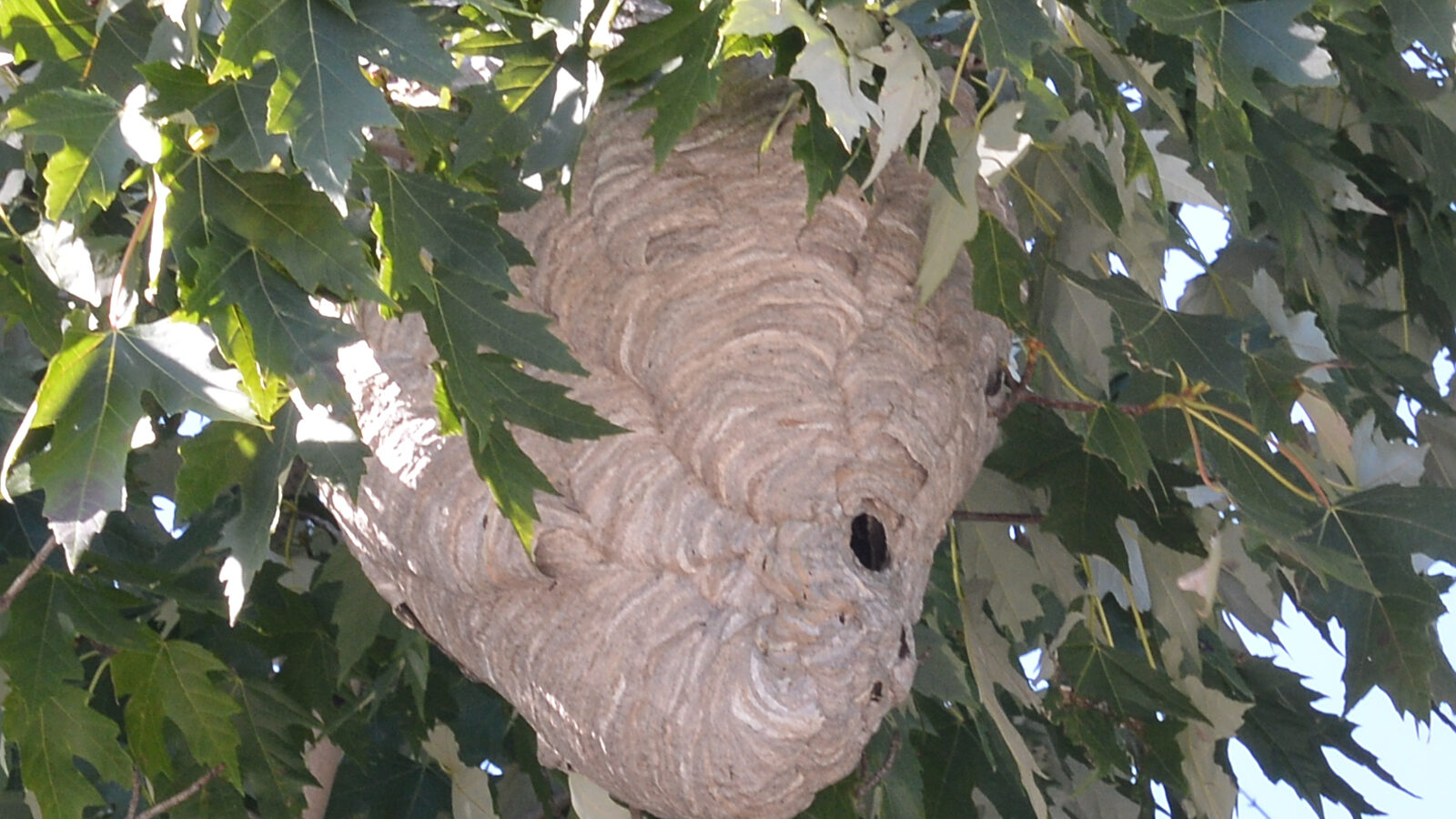
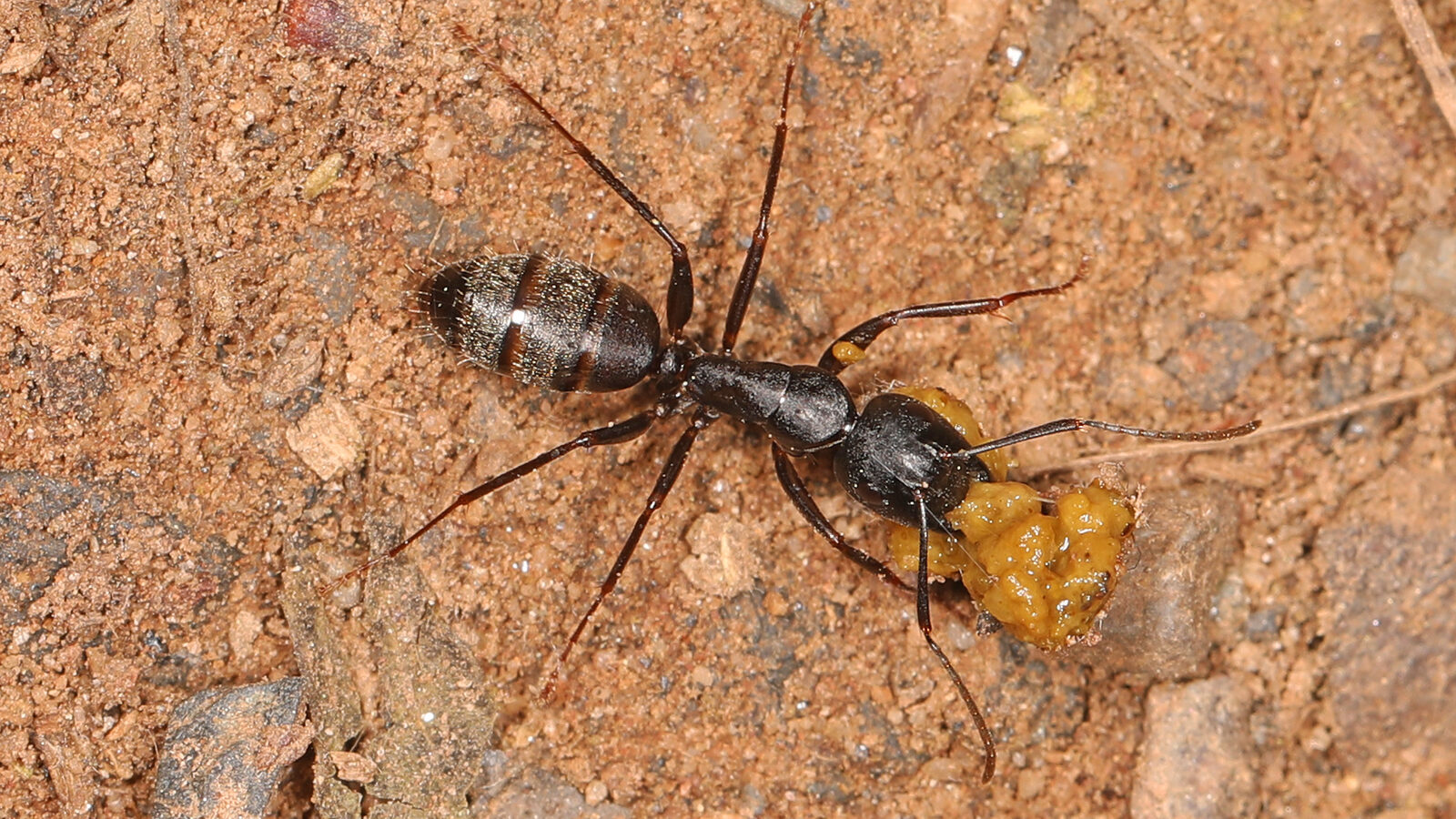
Bees, Wasps & Ants
The stinging and structural insect work lives in the same soffits, siding, and wall voids we already open up, so it is the same inspection and often the same visit. We are still not a general pest control company: no termites, no bed bugs, no quarterly spray contracts.
Repairs & Home Services
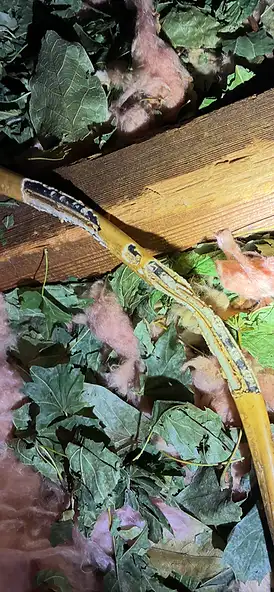
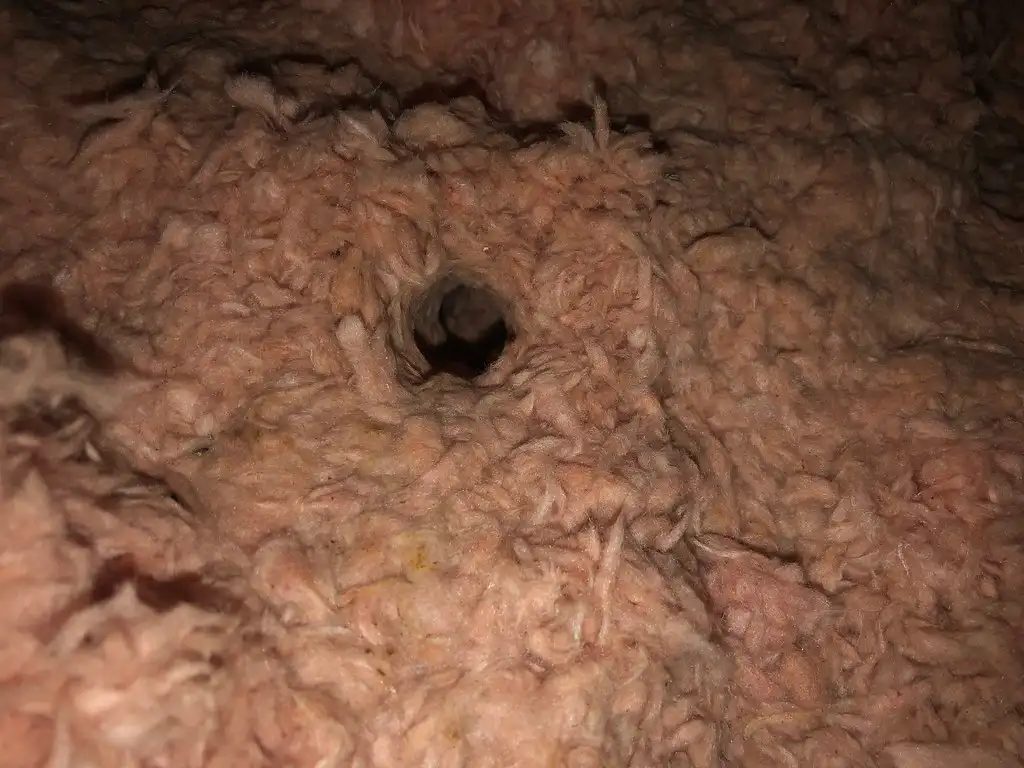
The half of the job that actually ends the problem, plus the roofline work that stops the next one starting.
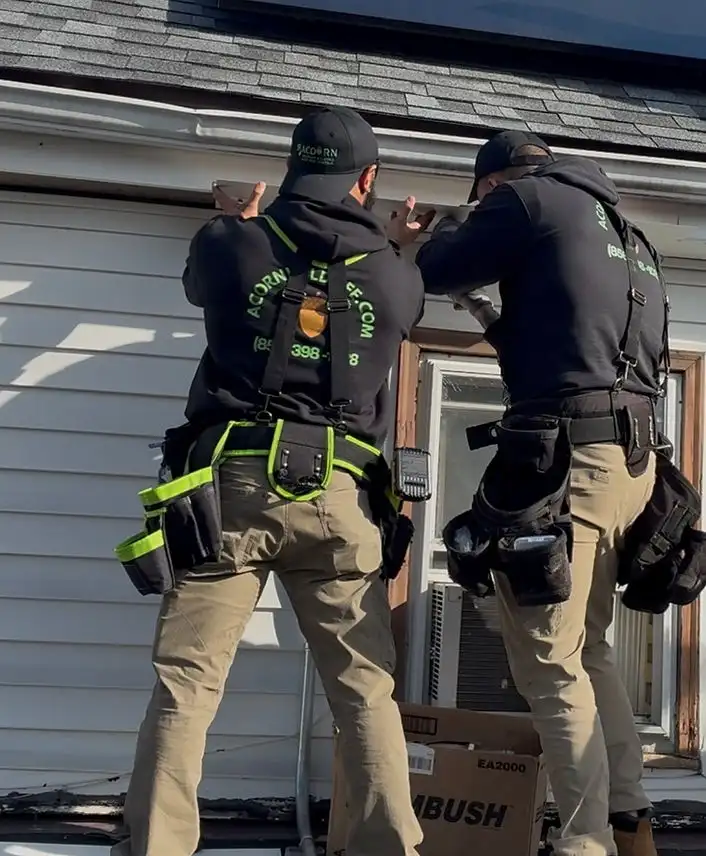
How Does Humane Wildlife Removal Work?
There is no single method. Anyone who quotes you a fix over the phone without asking about the species, the season, and the structure is guessing. These are the four tools we actually use, and when each one is right:
Live Trapping
Baited cage traps checked on a tight schedule. Right for ground animals like groundhogs, skunks, and opossums, where the den is outside the structure. New Jersey law restricts where trapped animals can go, especially rabies-vector species, and we tell you honestly what happens next rather than what sounds nice.
One-Way Doors
A valve over the entry point: the animal leaves for its nightly forage and can't get back in. The most humane tool we have, and the standard for squirrels, bats (in the legal window), and raccoons without litters. Useless and cruel if a litter is inside, which is why the inspection comes first.
Hands-On Removal
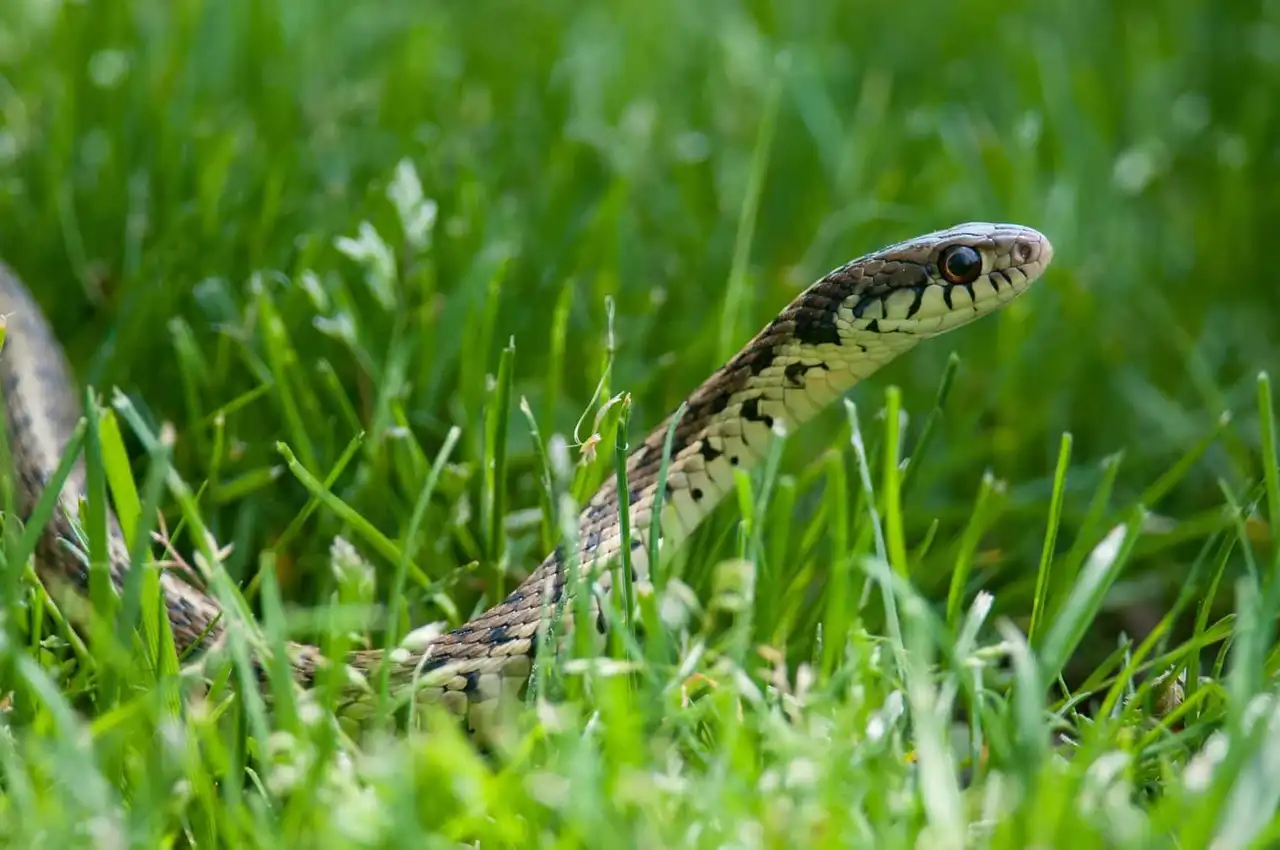
Kits and pups removed by hand during baby season and staged for reunion with the mother; a bat in a bedroom captured for testing per CDC guidance; a snake identified and walked out. Slower, and the reason our techs carry more ladders than traps.
What We Don't Lead with: Poison
Poison doesn't seal the hole the rodents used, and a die-off inside a wall cavity becomes an odor job. We use rodenticide narrowly and last — outdoors only, in locked, tamper-resistant stations — inside a sealing program, not instead of one. If you want the honest comparison, read poison vs. exclusion for rats on the blog.
What Counts as Nuisance Wildlife in New Jersey?
That last line matters. Acorn Wildlife in Cherry Hill, NJ handles wild animals only. If you have a stray dog or cat, call your town's animal control or your county shelter and they'll take excellent care of it. If you have anything with no collar and a taste for your soffits, that's us. Call or Text (856) 398-1028.
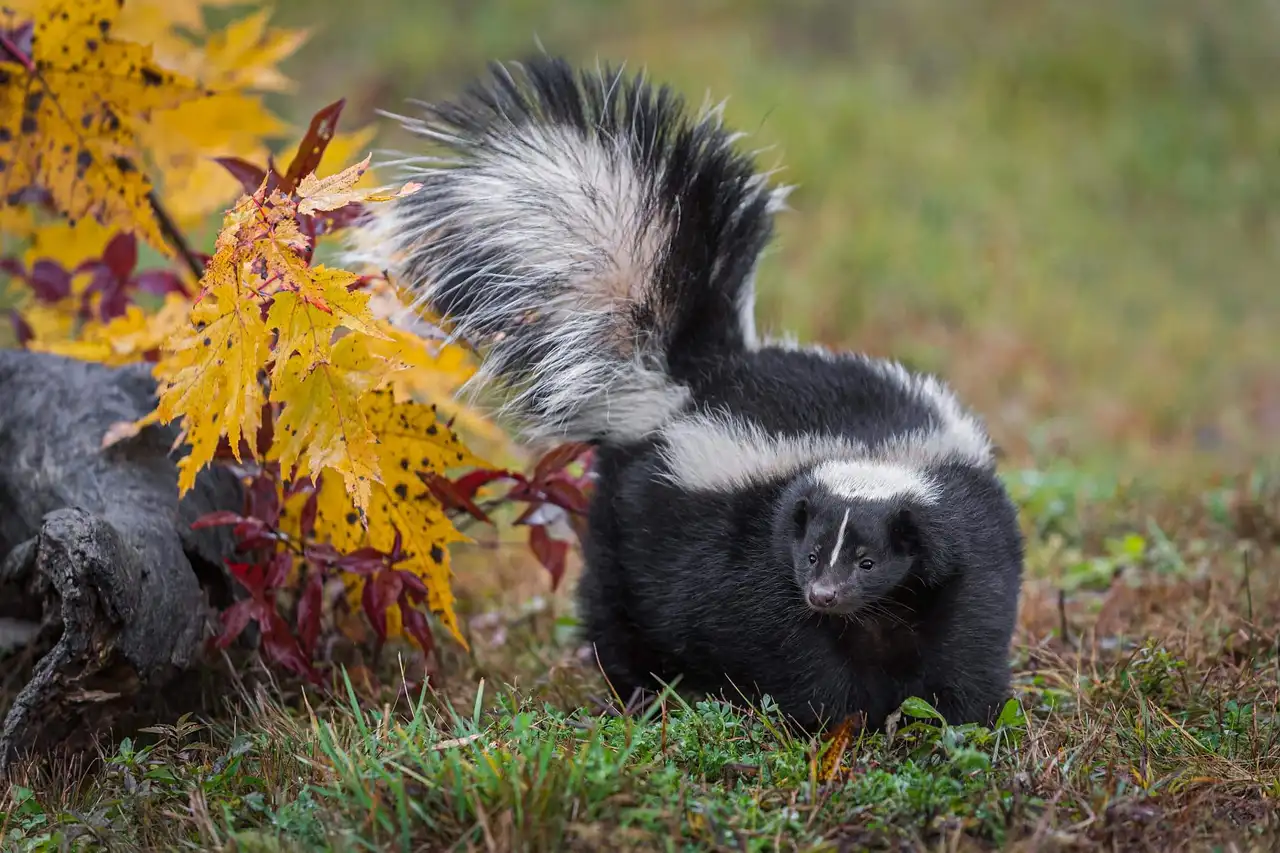
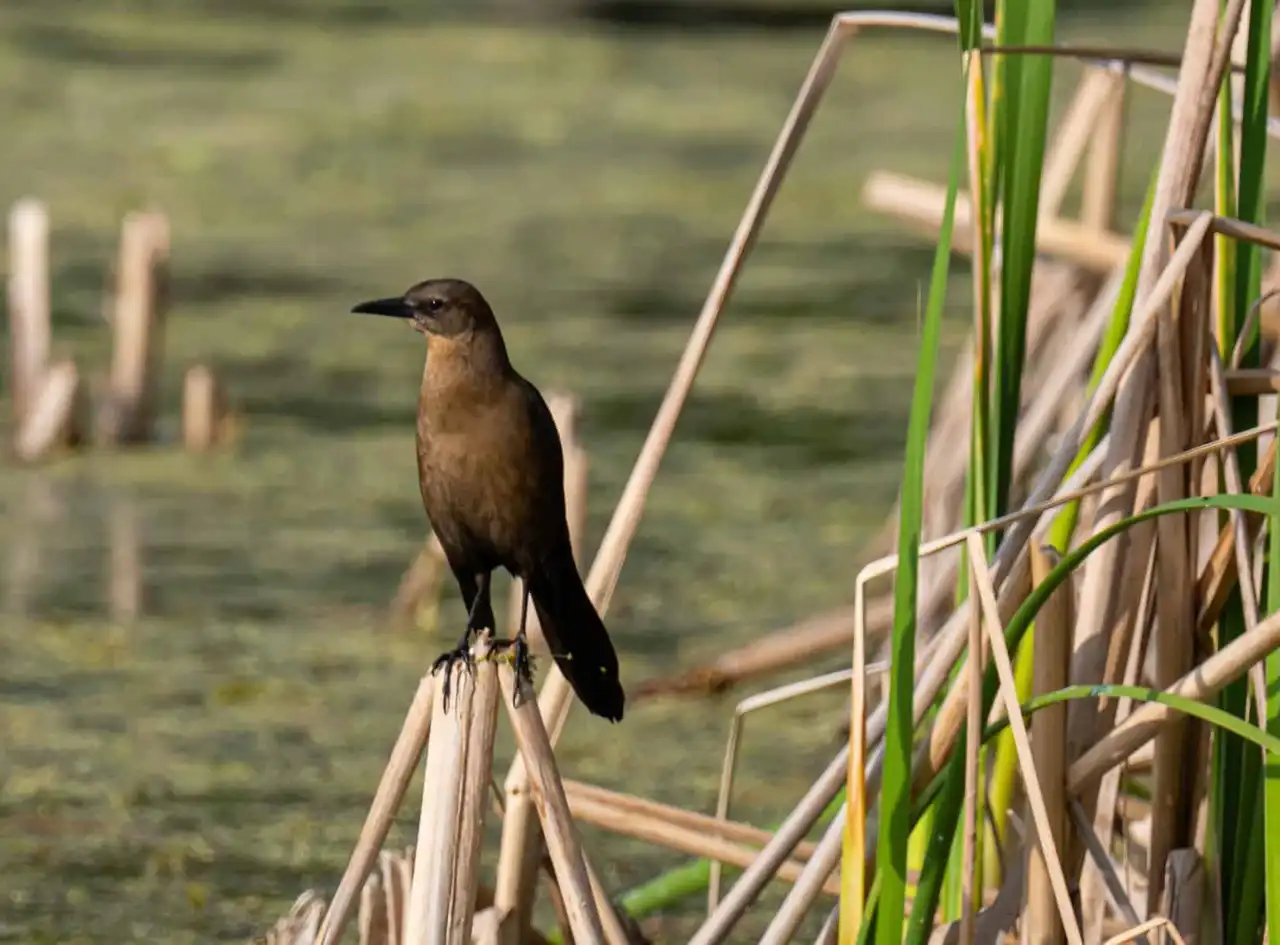
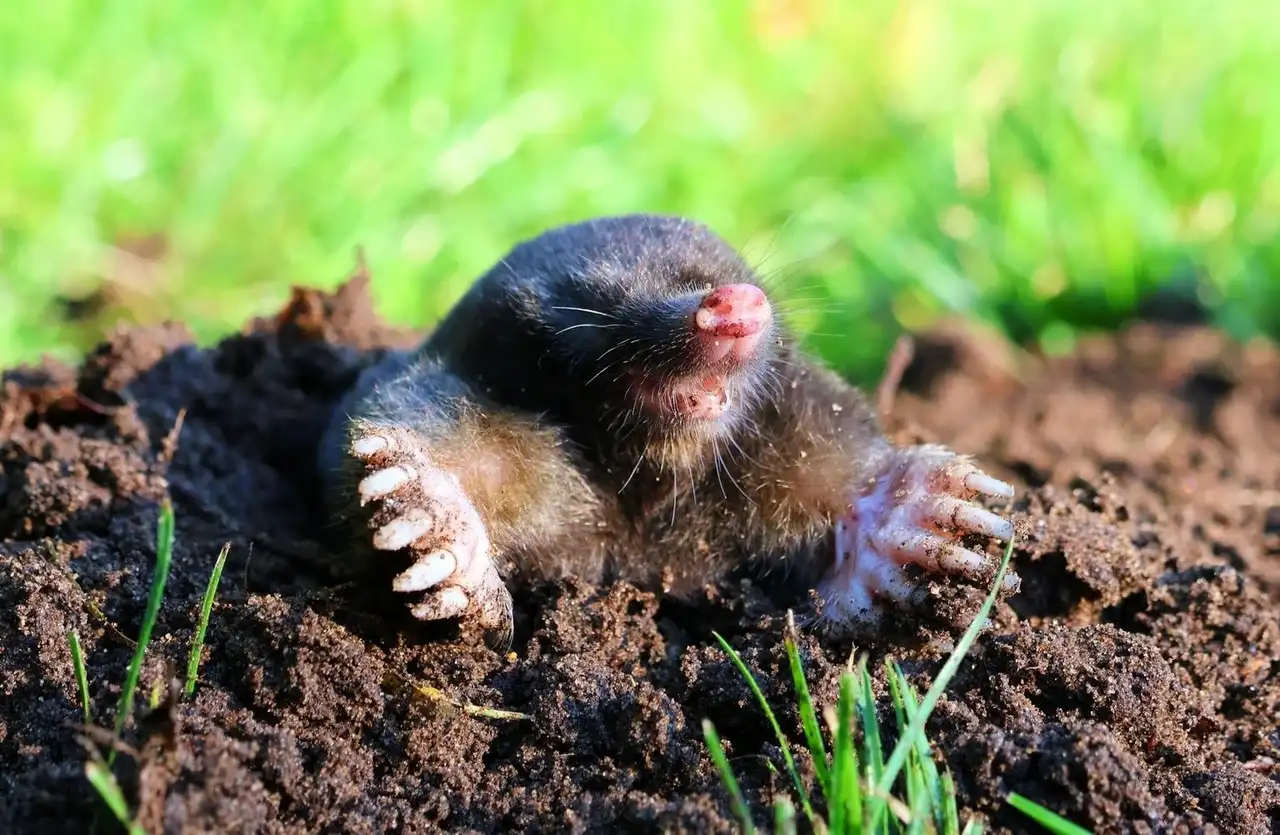
Short answer: Nuisance wildlife is any wild animal denning, nesting, or feeding where it damages your home or risks your health: raccoons and squirrels in attics, bats behind fascia, rats in walls, skunks and groundhogs under structures, snakes in basements, birds in vents. Dogs and cats are not wildlife; your municipal animal control handles them.
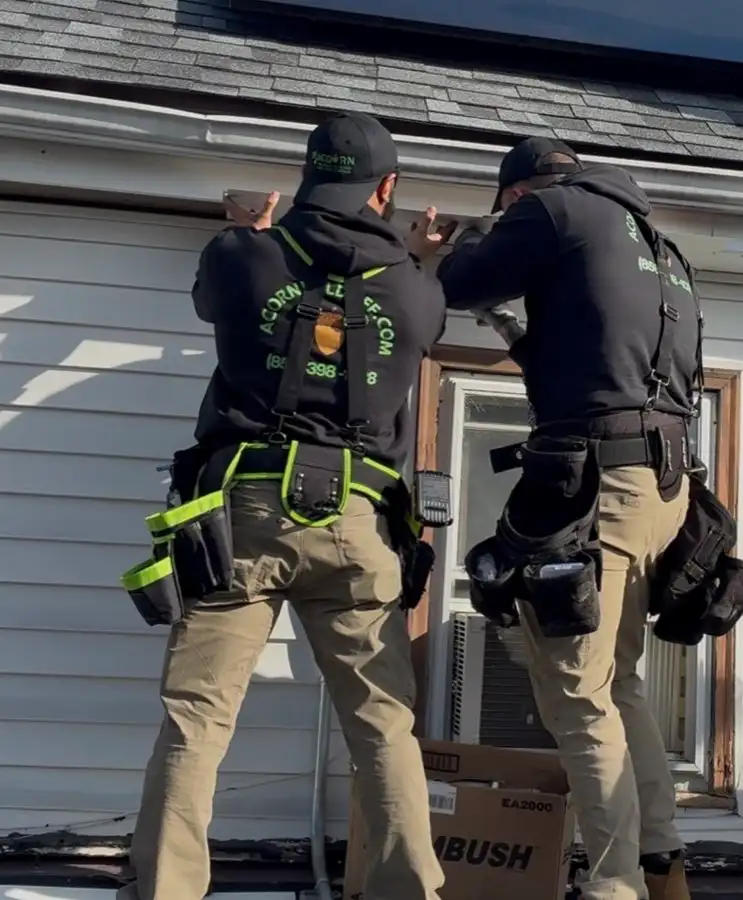
The part of wildlife removal that actually ends the problem.
Removal vs. Exclusion: Why We Always Quote Both
The animal is a symptom. The hole is the problem. Your home has a set of entry points (an older South Jersey colonial can have a dozen), and any animal you remove advertises the vacancy to the next one by scent. Removal without exclusion is why homeowners end up paying twice. Our exclusion page shows exactly how we seal rooflines, soffits, vents, chimneys, and foundations, and the Seal-Tight Warranty that stands behind the work.
Where We Work
Acorn Wildlife serves 35+ towns across Camden, Burlington, Gloucester, Mercer, and Cumberland counties, plus eastern Salem County, from offices in Cherry Hill and Trenton. Every town below has its own page with local job notes, seasonal pressure, and response times.
Wildlife Removal FAQs
Are you licensed and insured?
How fast can someone come out?
Do you use poison?
What happens to the animals you remove?
Is the inspection really free?
Species photographs via Wikimedia Commons, used under their licences: red squirrel © Paul Danese; red fox © Proctris; coyote © Frank Schulenburg; vole, shrew, paper wasp and hornet nest © Ryan Hodnett; pigeons © Luis Fernández García; house sparrow, northern flicker, woodpecker cavity and carpenter bee © Rhododendrites; yellowjacket © Richard Bartz; carpenter ant © Judy Gallagher. CC BY and CC BY-SA 2.0–4.0.
Free · No obligation
Every Acorn Job Starts With a Free Inspection
Before we quote a dollar of work, a licensed technician walks the whole property — roofline, soffits, vents, chimney, the full foundation line, the attic or crawl space, the decks and the yard — and finds every opening an animal is using, plus the ones it would use next. It takes as long as it takes: often an hour, sometimes two. There is no charge for the visit.
✓ Free whether or not you hire us
✓ No call-out fee, no minimum, no signature on the day
✓ Every entry point photographed and shown to you
✓ A written quote priced off what was actually found
Start With the Inspection
One visit maps every entry point and gets you a written quote. Wild animals only; humane always.