Home › Wildlife Removal › Mouse Control
Whole-home sealing · No poison indoors · Warrantied
Mouse Control in South Jersey
House mice are the most common rodent call in South Jersey and the most underestimated. A mouse fits through a gap the width of a pencil, which means the question is never whether your house has mouse-sized openings. It is how many. Acorn Wildlife treats mouse control as a sealing job with trapping attached, not the other way around, and that is why our jobs end.
Short answer: We control mice by trapping the population inside while sealing every exterior gap larger than a quarter inch, from the sill plate to the roofline. We skip poison indoors because poisoned mice die in walls and the openings stay open. The result is a sealed home covered by our Seal-Tight Warranty.
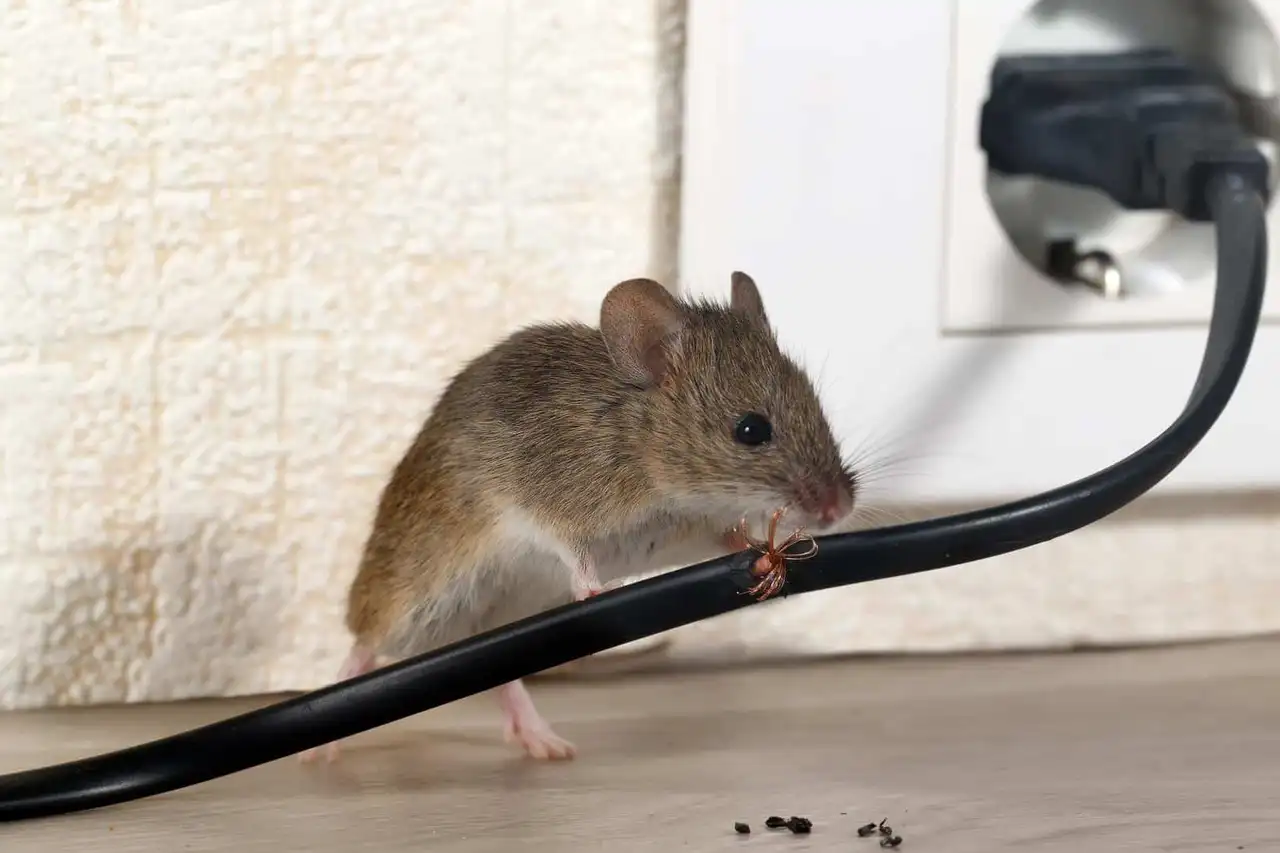
How Do I Know It's Mice?
Short answer: Mice leave rice-sized droppings with pointed ends in drawers, under sinks, and along baseboards, plus light scratching in walls at night and gnawed corners on food packaging. If you are seeing droppings in the kitchen, you are seeing the middle of the story, not the start of it.
Sounds
Light, fast scratching and skittering in walls, ceilings, and cabinet voids, mostly at night. Quieter and quicker than rats, and often in several parts of the house at once.
Droppings
Rice-sized, 1/8 to 1/4 inch, pointed ends, scattered wherever mice travel. A single mouse leaves dozens per day, so quantity is not a headcount.
Nests & Gnawing
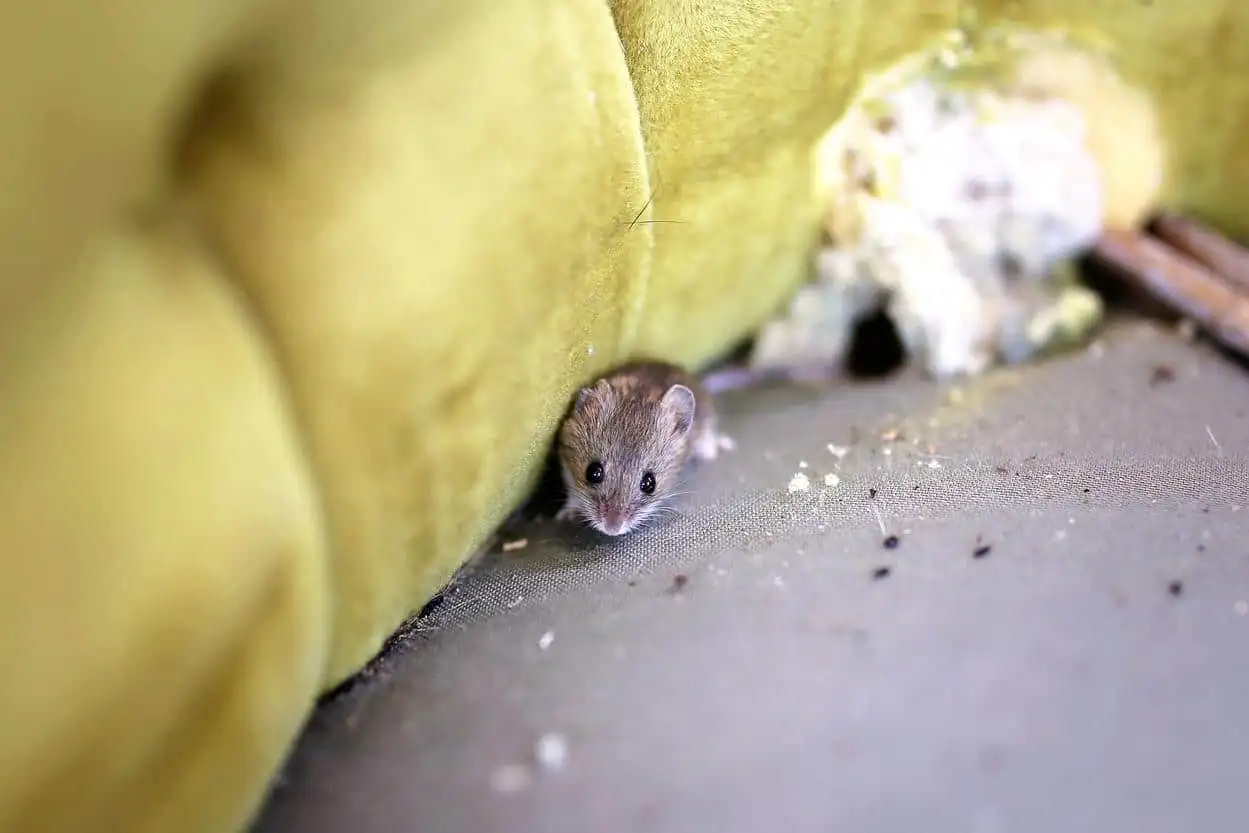
Shredded paper and insulation nests in cabinet corners, drawers, and wall voids. Gnaw marks on food packaging, wire insulation, and soft plastics.
Where They Get In
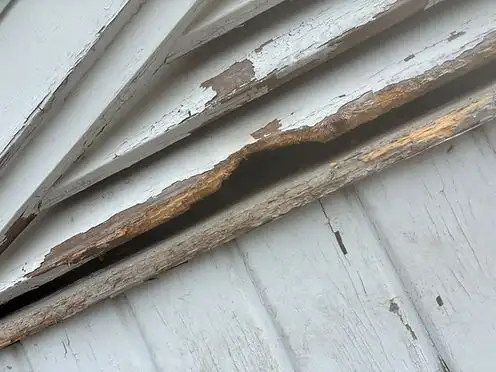
Gaps under garage doors, utility and AC line penetrations, sill plate gaps, dryer vents, and cable holes. Any opening a pencil passes is a mouse door.
Not sure whether you have mice, rats, or something bigger? Our rodent control hub compares the evidence side by side, and the scratching in walls guide sorts the sounds.
How Acorn Gets Mice Out
Mouse work is 20 percent trapping and 80 percent building inspection. Anyone can catch mice; the job is finding every opening on the house and closing them in materials mice cannot chew.
The Full-Perimeter Inspection
We walk the entire exterior at ground level and the roofline, flag every gap over a quarter inch, and photograph each one into your entry map. On an average South Jersey home we find 8 to 20 mouse-usable openings. That number surprises people, and it is exactly why plug-one-hole fixes fail.
Trapping to Zero
Snap traps on the runways, checked on a schedule, with counts logged until activity hits zero. Traps kill instantly, which sounds harsh but is the humane end of the spectrum: glue boards and poison are slower and crueler, and we use neither in your home.
Why We Skip Poison Indoors
Poison creates dead mice in wall voids, odor complaints, and a house that is still open. It also moves up the food chain: rodenticides show up in the owls, hawks, and foxes that eat poisoned rodents. Trapping plus sealing costs about the same and actually ends the problem, so that is what Acorn Wildlife quotes. On the rare job that calls for rodenticide, it goes outside the home only, in locked, tamper-resistant bait stations.
Whole-Home Sealing: The Part That Makes Mouse Control Permanent
The rhythm of South Jersey mouse calls tells the story: our phone gets busiest from late September through November, when the first cold nights push outdoor mice toward heated structures. A home sealed in summer skips the fall rush entirely. A home that only trapped last winter joins it again.
Sealing Mice Out for Good
Every opening we seal is closed in materials mice cannot gnaw through: steel wool backed with sealant, hardware cloth, and metal flashing, never foam alone. The work carries the Acorn Seal-Tight Warranty: if rodents get back in through a repair we made, we come back at no charge.
✓ Sill plate and foundation gaps sealed at ground level
✓ Utility, AC, and cable penetrations packed with steel wool and sealed
✓ Dryer and crawl space vents fitted with hardware cloth covers that still breathe
✓ Garage door sweeps and corner gaps closed, because the garage is the most common first entry
✓ Roofline gaps checked too: mice climb, and attic mice are a real thing
Methods and materials live on our wildlife exclusion page and the foundation and crawl space and vents pages. After removal, cleanup and sanitization handles droppings safely: the CDC advises against dry-sweeping rodent droppings, and we follow their wet-cleaning protocol.
Mouse Control Near You
Mouse FAQs
How many mice do I actually have?
Are mouse droppings dangerous?
Why do I only have mice in winter?
Do sonic repellers or peppermint oil work?
How fast can you start?
Free · No obligation
Every Acorn Job Starts With a Free Inspection
Before we quote a dollar of work, a licensed technician walks the whole property — roofline, soffits, vents, chimney, the full foundation line, the attic or crawl space, the decks and the yard — and finds every opening an animal is using, plus the ones it would use next. It takes as long as it takes: often an hour, sometimes two. There is no charge for the visit.
✓ Free whether or not you hire us
✓ No call-out fee, no minimum, no signature on the day
✓ Every entry point photographed and shown to you
✓ A written quote priced off what was actually found
Ready for a Mouse-Free House?
Free same-week inspection, whole-home entry map, written quote. Sealed and warrantied.