Home › Wildlife Removal › Groundhog Trapping
Burrow specialists · Foundation-safe · Warrantied barriers
Groundhog Trapping in South Jersey
A groundhog is the only backyard animal in South Jersey that moves real amounts of earth. One woodchuck can excavate hundreds of pounds of soil into a burrow system with multiple entrances, and when that system runs under a shed slab, stoop, or foundation footing, the problem stops being about the garden. Acorn Wildlife traps groundhogs across Camden, Burlington, Gloucester, Mercer, and Cumberland counties and builds the buried barriers that keep the burrow from re-renting.
Short answer: We trap groundhogs in live traps set on their burrow commute, remove them per New Jersey rules, then close the burrow system and install buried barriers along decks, sheds, and foundations. Trapping usually takes 2 to 5 days; the barrier is what makes it permanent.

How Do I Know It's a Groundhog?
Short answer: Look for the front door: a 10 to 12 inch burrow entrance with a fan of fresh-dug soil, usually against a shed, deck, stoop, or foundation, plus a daytime animal the size of a small dog grazing your garden. Daytime digging means groundhog. Skunks and opossums work nights and dig far less.
The Burrow
A main entrance 10 to 12 inches wide with a soil fan, plus one or more clean secondary exits nearby with no soil pile. Those hidden back doors are why partial fixes fail.
Sightings
A chunky brown grazer out in daylight, standing up periscope-style between bites, and beelining to the same hole when startled. Groundhogs are strictly daytime animals.
Garden Damage
Wide, low crop losses: beans, tomatoes, hostas mowed to stubs, melon-sized bites out of pumpkins, and gnaw marks low on fruit-tree bark.
Structural Signs
Soil heaving or settling next to a slab, gaps opening under a stoop, and hollow-sounding ground along a shed edge. That is the burrow talking.
Hole under the shed but never see the digger? Compare skunks, opossums, and groundhogs in our under-deck and shed guide. The soil fan and daytime activity are the groundhog tells.
How Acorn Removes Groundhogs
Groundhog work is trap-and-barrier work. There is no one-way-door shortcut, because a groundhog burrow has multiple entrances, including exits you have not found. Miss one and the animal is still home.

Live Trapping on the Commute
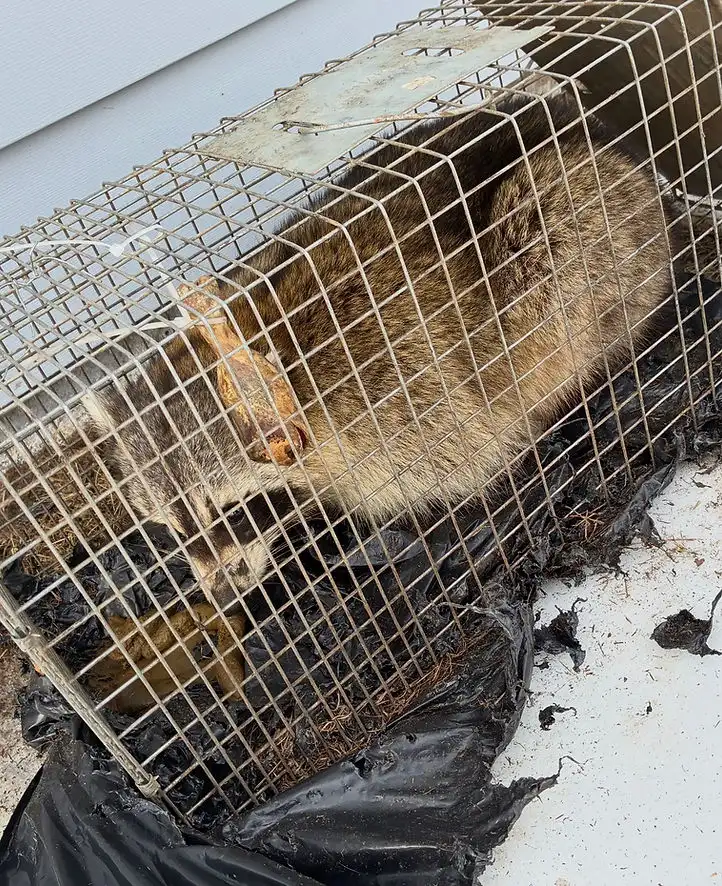
We set live traps directly on the worn paths between the burrow and the food, baited with what the animal is already eating. Set placement matters more than bait: a trap on the commute catches in days, a trap in the open catches raccoons and cats. Traps are checked daily, as New Jersey requires.
Closing the Burrow the Right Way
After removal we confirm the burrow is empty, then collapse and fill the system and cap entrances with hardware cloth. In spring we check for pups first. Groundhog pups are born April into May and stay below ground for weeks, and sealing them in is a cruelty and odor disaster we refuse to create.
What New Jersey Law Allows
Groundhogs are a regulated game species in New Jersey, and trapping and relocation fall under NJDEP Fish and Wildlife rules, including restrictions on where trapped animals can be released. Acorn Wildlife operates under NJDEP license #92411B and will tell you exactly what the rules mean for your job, not a sanitized version.
Burrows vs. Foundations: The Damage Nobody Sees Until It's Done
This is why we treat a burrow against a structure differently from one at the back fence. Against a structure, the job includes probing the tunnel run, filling voids as we close the system, and flagging any settlement that needs a contractor's eyes. A fence-line burrow in open ground is a smaller, cheaper job, and we will tell you which one you have at the inspection. Left alone, burrows also get inherited: skunks and rabbits move into vacant groundhog tunnels, which is how one ignored hole becomes three different animal problems in two seasons.
Sealing Groundhogs Out for Good
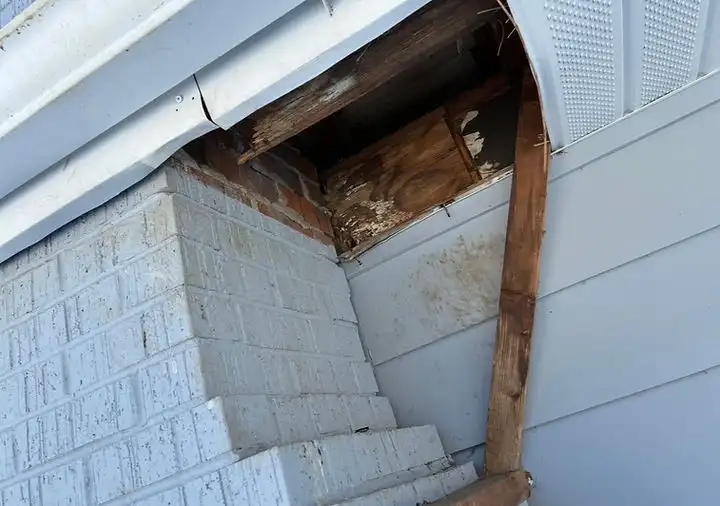
Groundhogs are professional diggers, so barriers have to go underground. We trench hardware cloth along the structure line with an outward-turned apron 10 to 12 inches deep, so a digging groundhog hits mesh and gives up. Barrier work carries the Acorn Seal-Tight Warranty: if animals get back under through a barrier we built, we come back at no charge.
✓ Trenched hardware-cloth barrier with outward apron along decks, sheds, and stoops
✓ Burrow entrances capped in mesh only after the system is confirmed empty
✓ Voids under slabs filled as the burrow is closed
✓ Fence-line and garden protection options priced separately, honestly
Ground-level exclusion methods are on the foundation and crawl space page, with the whole philosophy on our wildlife exclusion page. Related reading: what's digging under your deck or shed.
Groundhog Trapping Near You
Groundhog FAQs
Can't I just flood or fumigate the burrow?
Will groundhogs damage my foundation?
When are baby groundhogs in the burrow?
Do repellents, gum, or vibrating stakes work?
How fast can you get the groundhog out?
Free · No obligation
Every Acorn Job Starts With a Free Inspection
Before we quote a dollar of work, a licensed technician walks the whole property — roofline, soffits, vents, chimney, the full foundation line, the attic or crawl space, the decks and the yard — and finds every opening an animal is using, plus the ones it would use next. It takes as long as it takes: often an hour, sometimes two. There is no charge for the visit.
✓ Free whether or not you hire us
✓ No call-out fee, no minimum, no signature on the day
✓ Every entry point photographed and shown to you
✓ A written quote priced off what was actually found
Ready to Close the Burrow?
Free same-week inspection, humane trapping, and a buried barrier that holds.