Home › Wildlife Exclusion
The part of wildlife control that actually ends the problem
Wildlife Exclusion: How We Seal South Jersey Homes for Good
Anyone can set a trap. Exclusion is the craft: finding every gap an animal can use, repairing it in materials teeth can't beat, and standing behind the work. This page explains what exclusion is, what it costs, and when it fails.
Short answer: Wildlife exclusion means permanently sealing every point where animals can enter your home: rooflines, soffits, vents, chimneys, and foundations, using steel, hardware cloth, and proper flashing. At Acorn Wildlife every exclusion starts with a photo-documented full-home inspection and is backed by the Seal-Tight Warranty.
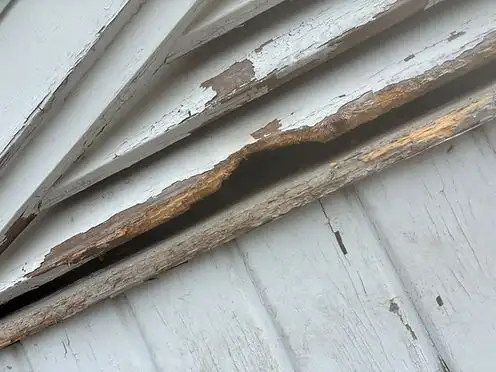
What Is Wildlife Exclusion?
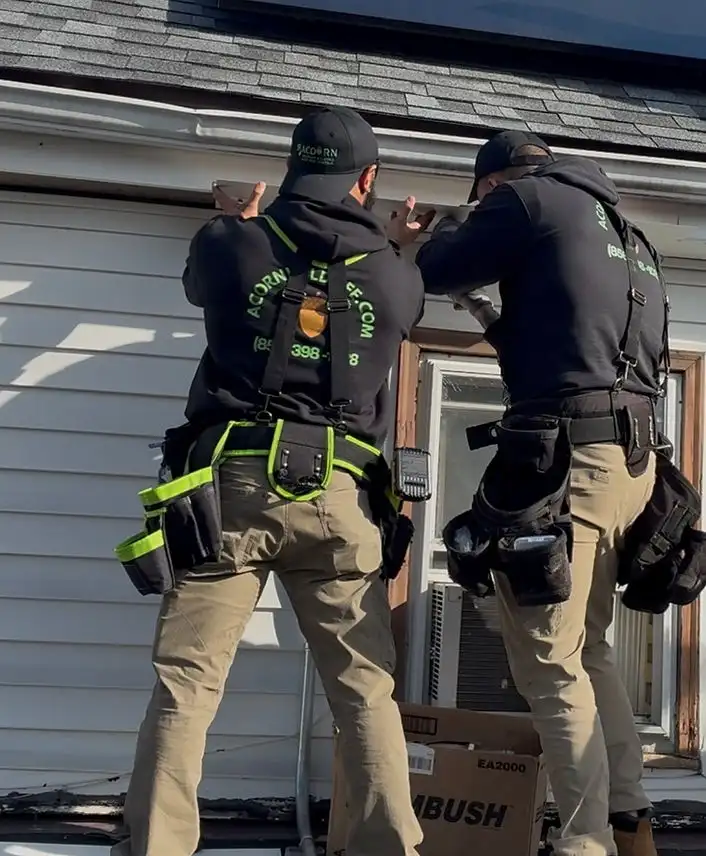
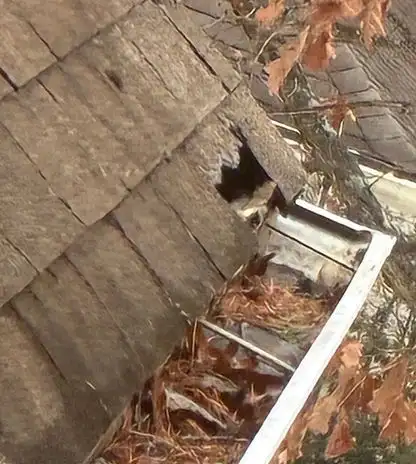
Most of our competitors sell trapping with repairs as an afterthought. We think that's backwards, and it's why every Acorn quote covers removal and exclusion together. An animal that got in once has marked the route for the next one.
Short answer: Exclusion is construction-grade animal-proofing. After the animal is removed, we repair the entry it used and every other vulnerable point we found during inspection, so the next raccoon, squirrel, or rat that checks your roofline finds steel instead of a gap. It's the difference between removing an animal and ending a problem.
The Inspection: How We Map Every Entry Point
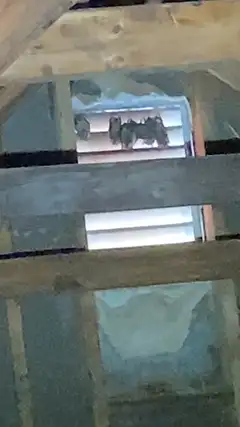
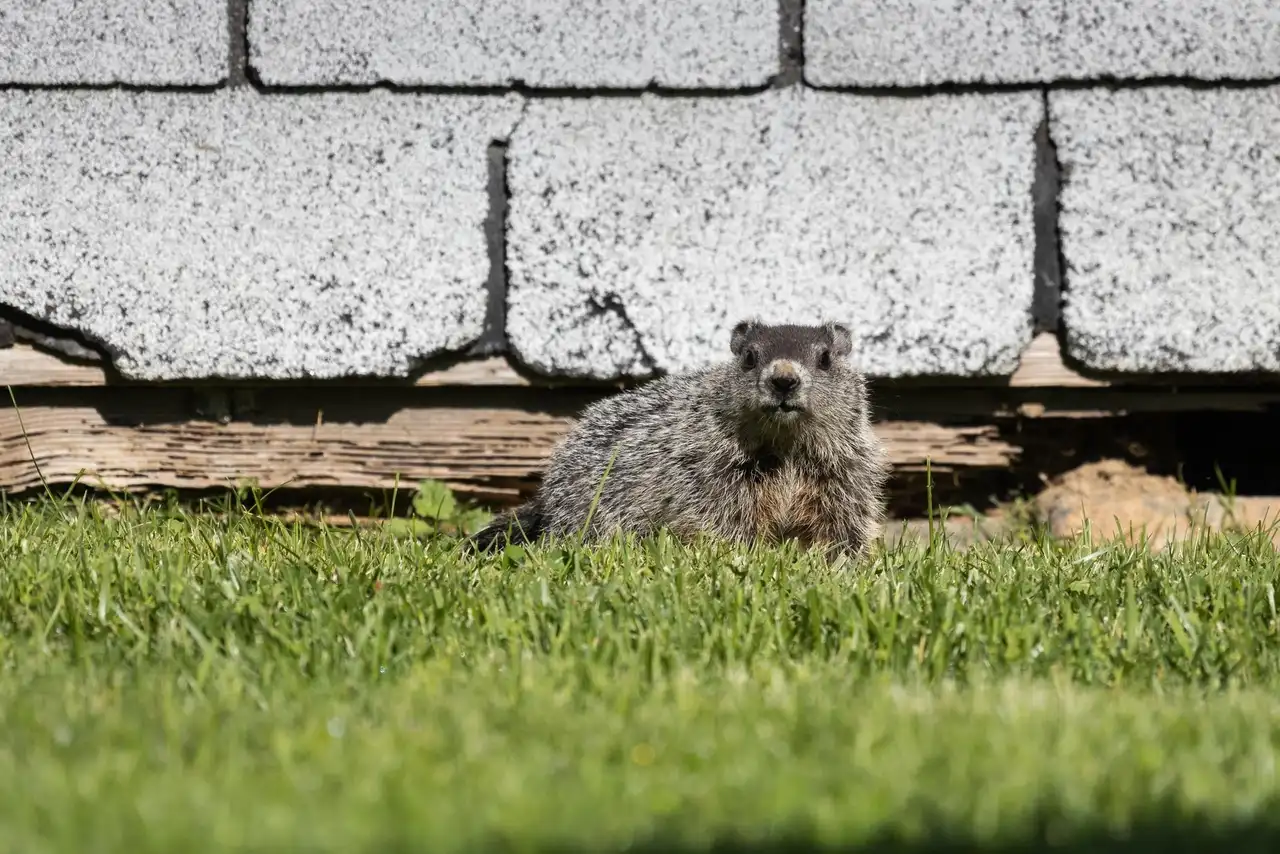
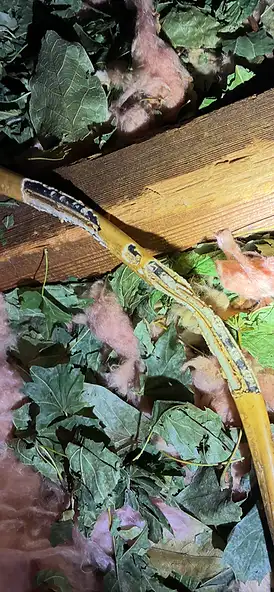
Every job starts with a full-home inspection, roofline to foundation, included in the price. The tech photographs each entry point and each vulnerable spot that hasn't been used yet, and your written quote itemizes them. You see exactly what we saw, so nothing on the estimate is mysterious. A 1960s colonial in Cherry Hill or Marlton commonly has 8 to 12 points; a tight newer ranch might have 2.
Common Entry Points We Seal
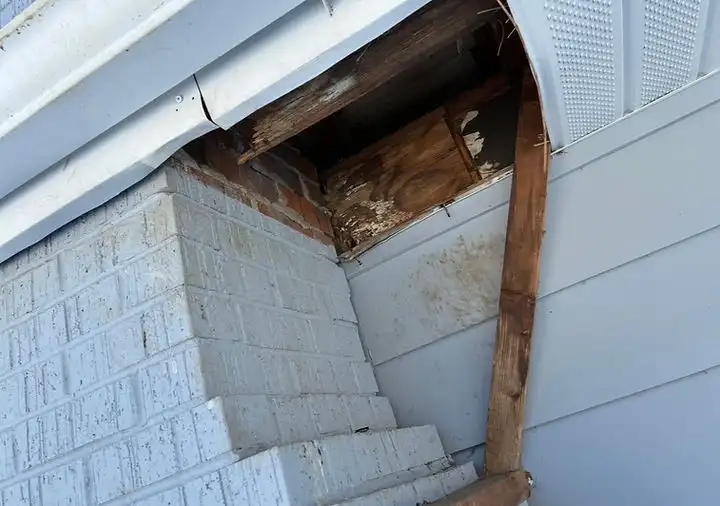
The Acorn Seal-Tight Warranty
If animals get back in through a repair we made, we come back and make it right at no charge. The terms are written in plain English, including what voids them, on the warranty page. No local competitor defines their warranty in writing. Ask them; then read ours.
When Exclusion Fails: The Honest Version
Marcus Sheridan says the question you're afraid to answer is the one your customer is already asking, so here it is. Exclusion fails in three ways. One: a point gets missed, which is why our inspection is photo-documented and itemized, so you can see the coverage yourself. Two: the homeowner declines part of the quote to save money, and the animal uses the open point; we mark declined items on the estimate for exactly this reason. Three: new damage opens a new hole, storms and rot don't honor warranties. What you should take from this: exclusion is a system, not a patch, and anyone selling you a single-hole patch is selling you a return visit.
Exclusion FAQs
Can't I just foam the hole myself?
Do you have to remove the animal first?
Will the repairs be visible?
How long does exclusion take?
Free · No obligation
Every Acorn Job Starts With a Free Inspection
Before we quote a dollar of work, a licensed technician walks the whole property — roofline, soffits, vents, chimney, the full foundation line, the attic or crawl space, the decks and the yard — and finds every opening an animal is using, plus the ones it would use next. It takes as long as it takes: often an hour, sometimes two. There is no charge for the visit.
✓ Free whether or not you hire us
✓ No call-out fee, no minimum, no signature on the day
✓ Every entry point photographed and shown to you
✓ A written quote priced off what was actually found
Seal It Once, Correctly
Free photo-documented inspection, itemized quote, warrantied repairs. That's the whole pitch.