Home › Wildlife Exclusion › Vent Guards & Screening
Steel guards · Airflow preserved · Seal-Tight Warranty
Vents: Screening Every Opening Your House Breathes Through
Your house breathes through its vents, and every one of them is a designed hole in the shell. Gable vents, roof vents, ridge vents, bathroom and dryer exhausts: each is a doorway sized for a different animal. This page covers the vent piece of our full wildlife exclusion service: who uses which vent, what the evidence looks like, and how Acorn Wildlife screens them without choking the airflow they exist to provide.
Short answer: Bats and birds use gable vents, squirrels gnaw through plastic roof vents, mice and flying squirrels slip under ridge vents, and birds pack dryer and bathroom exhausts with nests, a genuine fire hazard. Acorn Wildlife screens each vent type with steel guards that block animals while preserving the airflow the vent exists for.
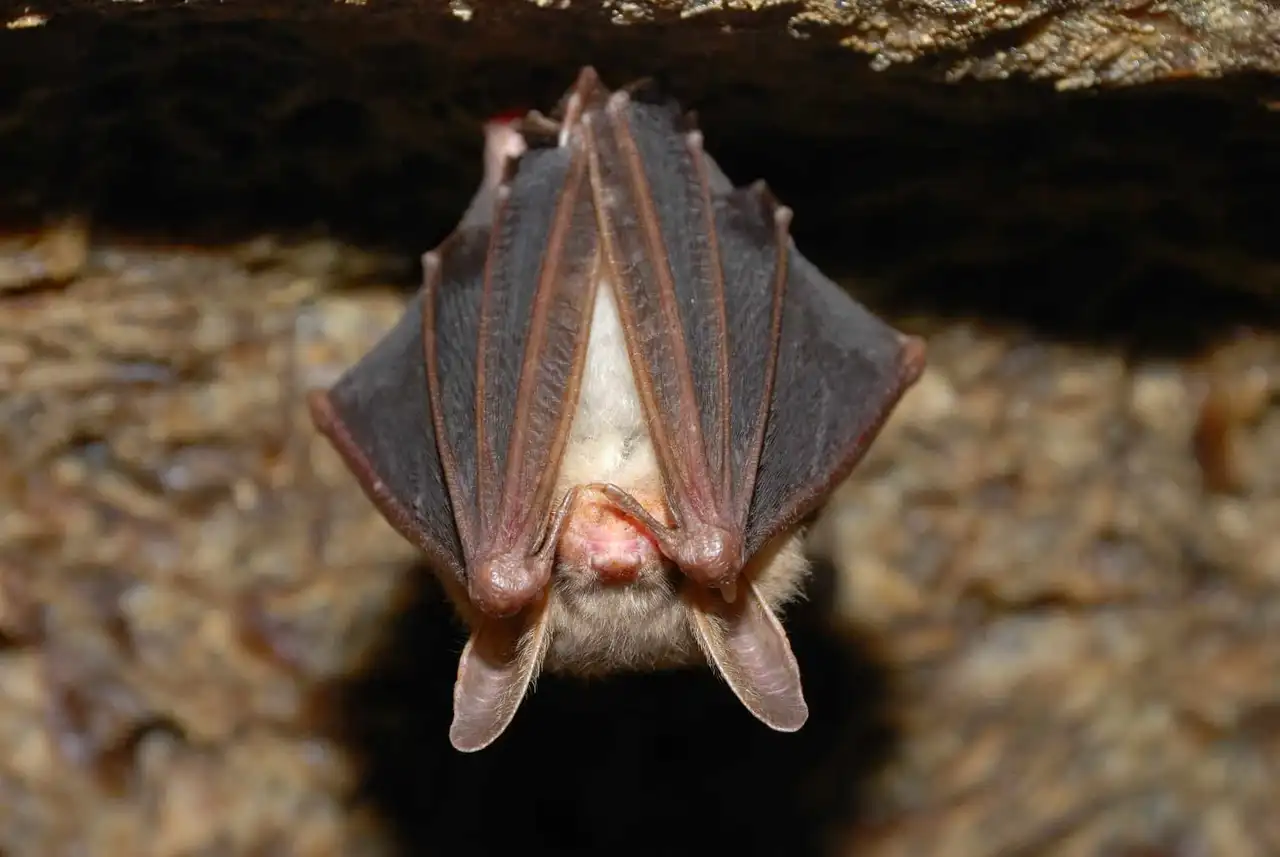
Which Animals Use Which Vents?
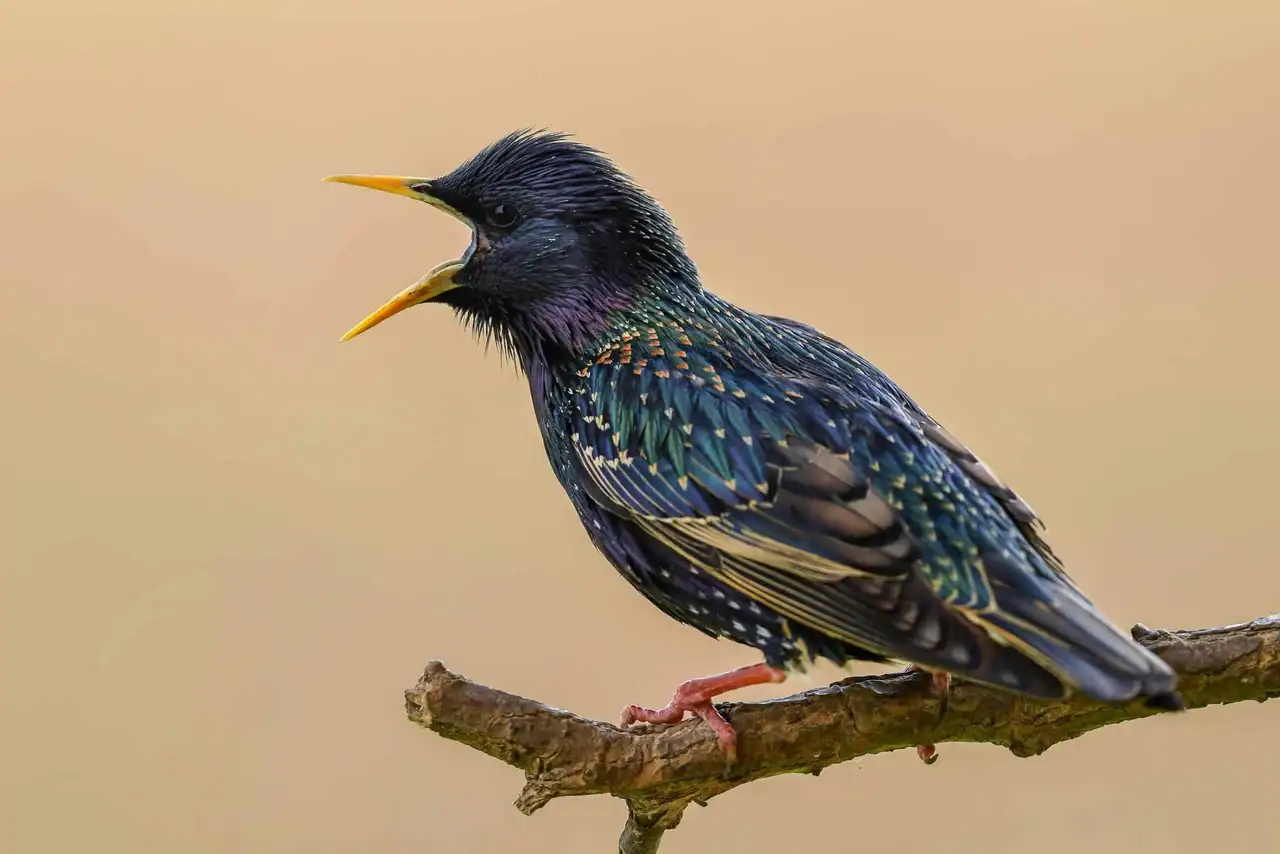
Short answer: Each vent matches an animal. Gable vents: bats roost behind the louvers and starlings nest in them. Plastic roof vents: squirrels gnaw the domes open. Ridge vents: mice, bats, and flying squirrels exploit lifted ends. Dryer and bathroom exhausts: birds nest in the warm duct. Older gable vents with original screening are South Jersey's most reliable bat doors.
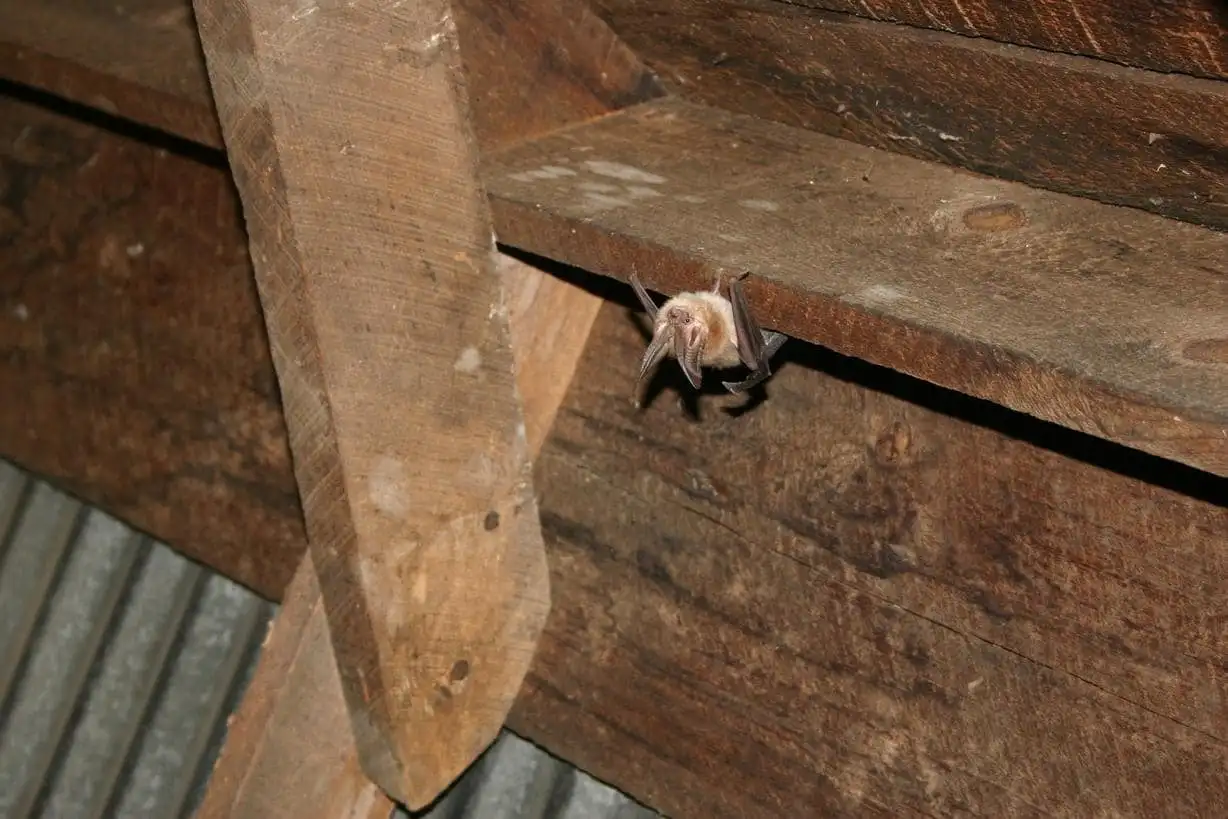
Roof Vents (Box and Turbine)
Plastic domes are an afternoon's work for a squirrel's teeth, and raccoons pry weathered ones off whole. Once the dome is open, the hole leads straight down into the attic.
Ridge Vents
The low-profile vent along the roof peak. Lifted or crushed sections leave a slot that mice, flying squirrels, and bats read as a front door. Damage here is invisible from the ground.
Dryer & Bathroom Exhausts
Warm, dry, and sheltered: prime nesting for sparrows and starlings. A nest packed into a dryer duct blocks airflow and is a documented lint-fire hazard, not just a wildlife problem.
What Vent Evidence Looks Like
✓ Brown staining or droppings accumulating below a gable vent (bat traffic)
✓ Chirping from an exhaust hood at dawn, or nesting straw poking out of the flap
✓ Gnawed, whitened plastic on a roof vent dome, visible with binoculars
✓ A dryer that suddenly takes two cycles: often a nest, not a broken machine
✓ Attic noise localized near the peak or an end wall (our noise guide narrows it)
How Acorn Screens Vents the Right Way
Sequencing comes first, as always: nothing gets screened until the animal behind it is out. With bats that's a legal matter as well as a humane one, because NJDEP restricts bat exclusion during the summer maternity season, so gable-vent bat jobs get one-way exclusion devices timed to the calendar before the steel goes on. Bird nests in exhausts are cleared completely (a half-cleared duct is still a fire risk), the duct is checked for airflow, and the guard goes on the same visit. Materials, plainly listed: 16-gauge galvanized hardware cloth for gable interiors, powder-coated steel vent guards for roof vents, matched ridge-vent end plugs, and stainless spring-flap exhaust cages. Every install is fastened with exterior-grade screws, never glue, and carries the Acorn Seal-Tight Warranty like our roofline, soffit, chimney cap, and foundation work.
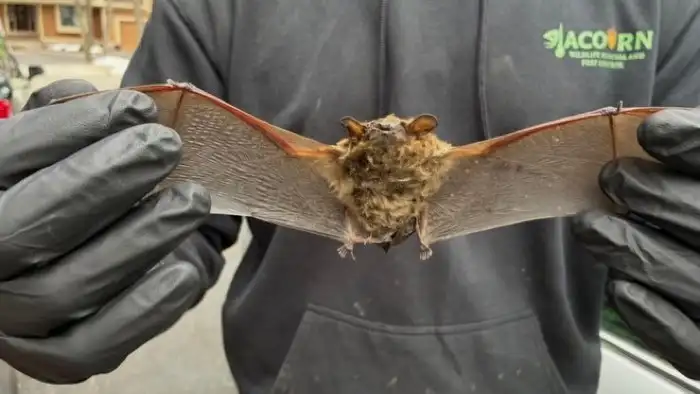
Big brown bats behind a gable vent: excluded on the legal calendar, then screened in steel.
Free · No obligation
Every Acorn Job Starts With a Free Inspection
Before we quote a dollar of work, a licensed technician walks the whole property — roofline, soffits, vents, chimney, the full foundation line, the attic or crawl space, the decks and the yard — and finds every opening an animal is using, plus the ones it would use next. It takes as long as it takes: often an hour, sometimes two. There is no charge for the visit.
✓ Free whether or not you hire us
✓ No call-out fee, no minimum, no signature on the day
✓ Every entry point photographed and shown to you
✓ A written quote priced off what was actually found
Ready to Screen Every Opening?
Photo-documented vent inspection, steel guards, airflow preserved. Seal-Tight Warranty.