Home › Wildlife Exclusion › Chimney Caps
Stainless steel · Mesh sides · Seal-Tight Warranty
Chimney Caps: One Install That Ends the Problem Forever
Of all the entry points we seal under our wildlife exclusion service, the chimney has the simplest fix and the best return: one stainless steel cap, installed once, ends raccoon dens, bird nests, and squirrel falls permanently. This page covers who moves into open flues, how to tell if yours is occupied, what a proper cap actually is, and what the install costs.
Short answer: An uncapped chimney reads as a hollow tree to wildlife: raccoon mothers den on the smoke shelf, chimney swifts glue nests to the flue wall, and squirrels fall in and get stuck. Acorn Wildlife installs stainless steel caps with mesh sides, sized and anchored to your flue, after confirming the chimney is empty.
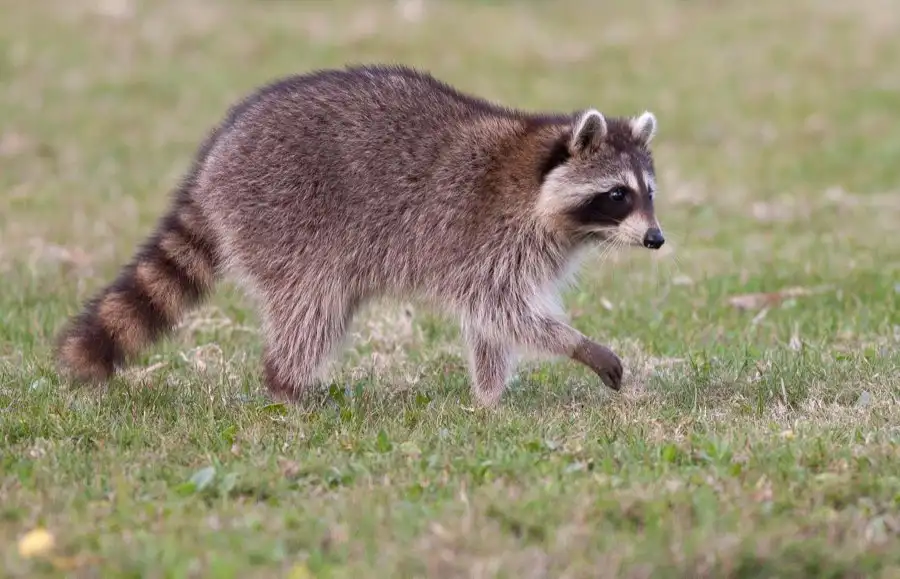
Which Animals Move into Chimneys?
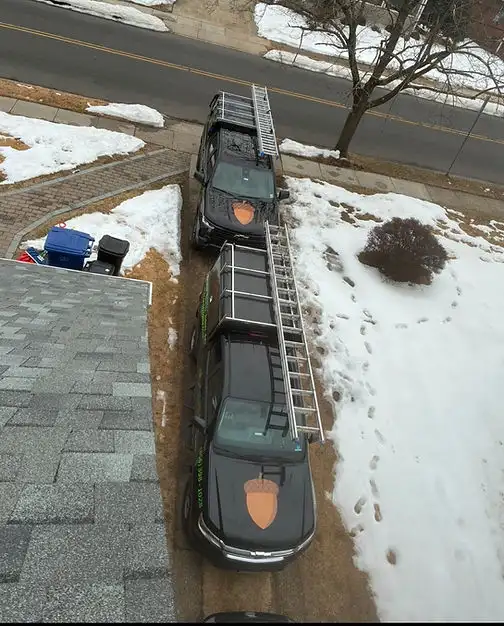
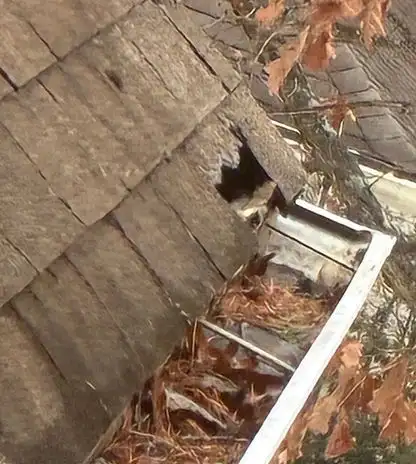
The raccoon case is the one that surprises homeowners most: a flue is dark, vertical, weatherproof, and unreachable by predators, which is everything a raccoon mother wants from March through June. Swifts are a legal special case (removing an active nest violates the Migratory Bird Treaty Act, so sometimes the honest plan is waiting a few weeks until the young fledge). And a squirrel scratching in the firebox is a same-day rescue, not a removal. All three stories, sounds included, are told in full on our animal in the chimney page; this page is about making sure none of them happen to you twice.
Short answer: Three regulars. Raccoon mothers den on the smoke shelf every spring; an open flue is their favorite nursery. Chimney swifts, a federally protected bird, nest on the flue wall in summer. Squirrels don't move in at all: they fall in, can't climb the slick tile, and get stuck. All three end with the same cap.
How Do I Know If Something Is in There Now?
✓ Chittering, rustling, or cooing above the damper in spring: raccoon kits on the smoke shelf
✓ Loud mechanical chattering in bursts on summer evenings: swifts at feeding time
✓ Frantic, continuous scratching: a stuck squirrel, and a same-day call
✓ Debris, twigs, or droppings in the firebox that weren't there last season
✓ A flue smell (musky or ammonia-like) that gets stronger with the damper open
If any of these sound familiar, stop at step one: never light a fire to drive an animal out, and keep the damper closed. Smoke kills babies that can't climb and panics adults into your living room. Removal comes first, humanely and legally; capping comes the day the flue is confirmed empty.
What a Proper Wildlife Cap Is, and How We Install It
The install is a one-visit job on a confirmed-empty flue. We measure the flue tile, select a single-flue or multi-flue cap in 304 stainless steel with three-quarter-inch mesh (tight enough for birds and bats, open enough for draft), and anchor it with masonry fasteners rather than the friction fit budget caps rely on, because a determined raccoon tests exactly that. Damaged crowns get flagged honestly at the inspection, since a cap anchored to crumbling mortar is a cap on borrowed time; minor crown sealing we handle, and full crown rebuilds we refer to a mason and say so. Like our roofline, soffit, vent, and foundation repairs, the install carries the Acorn Seal-Tight Warranty: if an animal defeats a cap we installed, we come back at no charge.
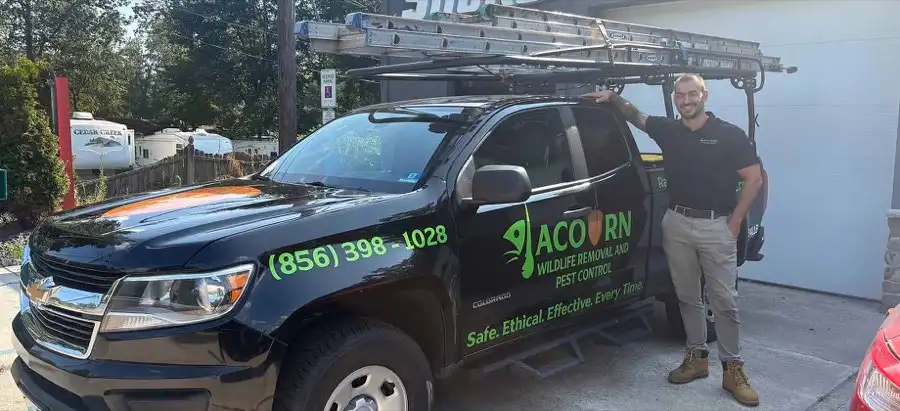
Cap installs are a one-visit job on a confirmed-empty flue.
Free · No obligation
Every Acorn Job Starts With a Free Inspection
Before we quote a dollar of work, a licensed technician walks the whole property — roofline, soffits, vents, chimney, the full foundation line, the attic or crawl space, the decks and the yard — and finds every opening an animal is using, plus the ones it would use next. It takes as long as it takes: often an hour, sometimes two. There is no charge for the visit.
✓ Free whether or not you hire us
✓ No call-out fee, no minimum, no signature on the day
✓ Every entry point photographed and shown to you
✓ A written quote priced off what was actually found
Ready to Cap It Once and Be Done?
Flue check, stainless cap, mechanical anchoring, Seal-Tight Warranty. One visit.