Home › Wildlife Removal › Bat Removal
Legal exclusion · Maternity-season honest · Warrantied
Bat Removal in South Jersey
Bats are the one attic animal where the law, not the ladder, decides the schedule. New Jersey protects its bats, and for good reason: white-nose syndrome has devastated their populations, and every bat in your attic eats thousands of insects a night. Acorn Wildlife removes bat colonies across Camden, Burlington, Gloucester, Mercer, and Cumberland counties the only way it can legally be done: exclusion, timed right, sealed for good.
Short answer: We remove bats with one-way exclusion devices that let the colony fly out at night and never get back in, then seal every gap larger than a pencil. New Jersey guidance blocks exclusion during the May through July maternity season while flightless pups are in the roost, so timing is part of every honest bat quote.
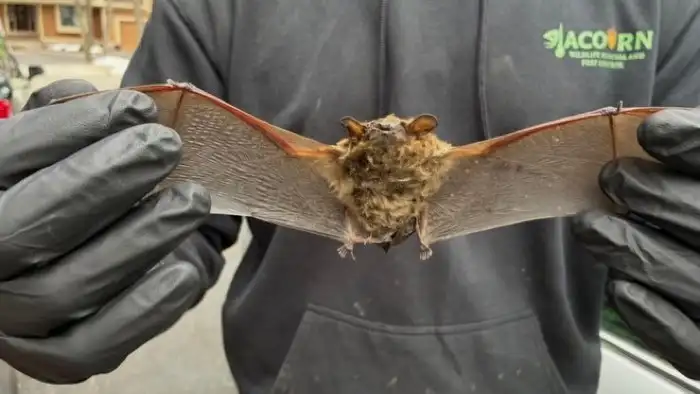
How Do I Know It's Bats?
Sounds
Faint chirping, squeaking, and rustling concentrated at dusk and just before dawn, usually near the roof peak, chimney, or a gable end rather than across the whole attic.
Droppings (Guano)
Dark pellets that accumulate in a pile under the roost and stick to siding below the entry. They crumble to glittery dust, which is how you tell them from mouse droppings.
Entry Staining
A brown, greasy smudge around a gap as small as 3/8 inch: ridge vents, chimney flashing, gable vent corners, and the gap where fascia meets brick.
The Dusk Fly-Out
Stand outside at sunset and watch the roofline. If you count bats leaving one spot, you have found the entry and a colony, not a stray.
A single bat flapping around your living room is a different situation from a colony overhead. If anyone was sleeping in a room where a bat was found, call your county health department about rabies testing before releasing it, per CDC guidance. Then call us about how it got in.
How Acorn Removes Bats Legally and Humanely
There is exactly one right way to remove a bat colony: exclusion. Not trapping, not poison, not repellents. Poisoning bats is illegal, and it turns a colony overhead into dead and dying bats in your walls and living space.
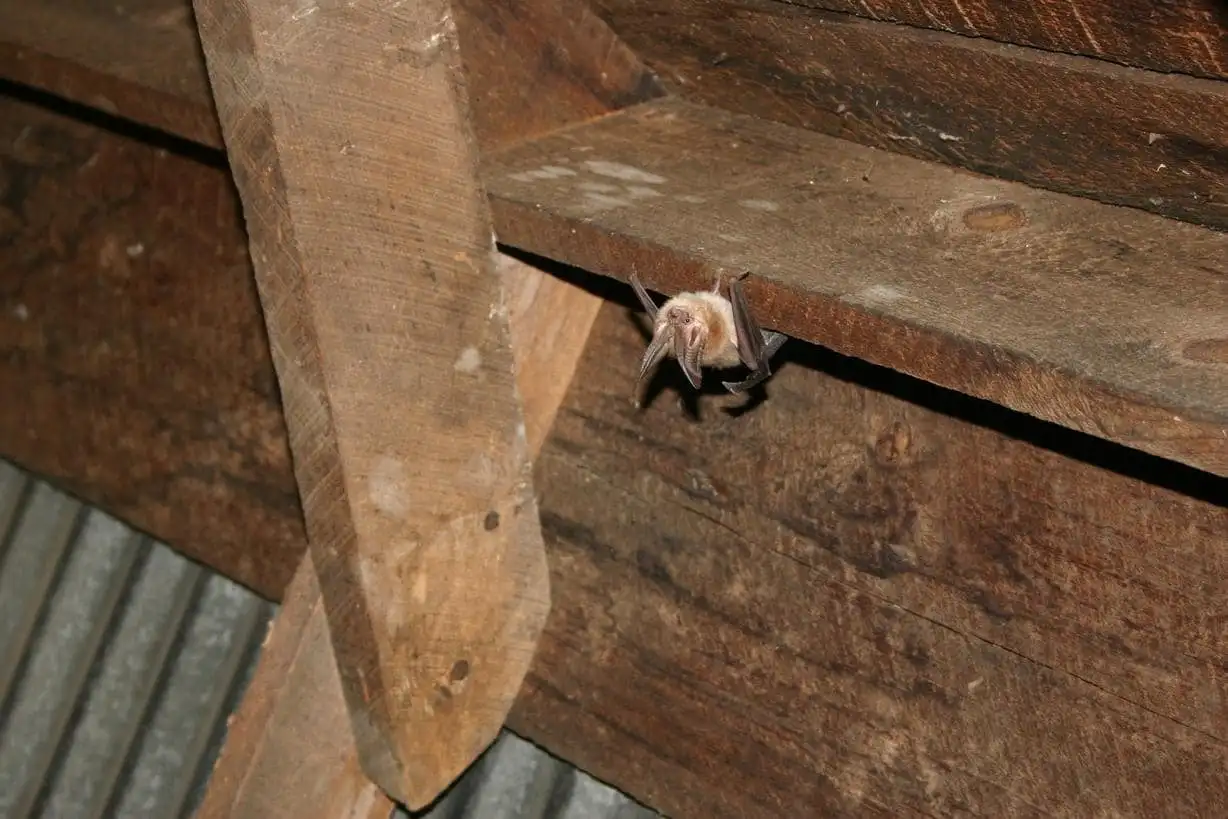
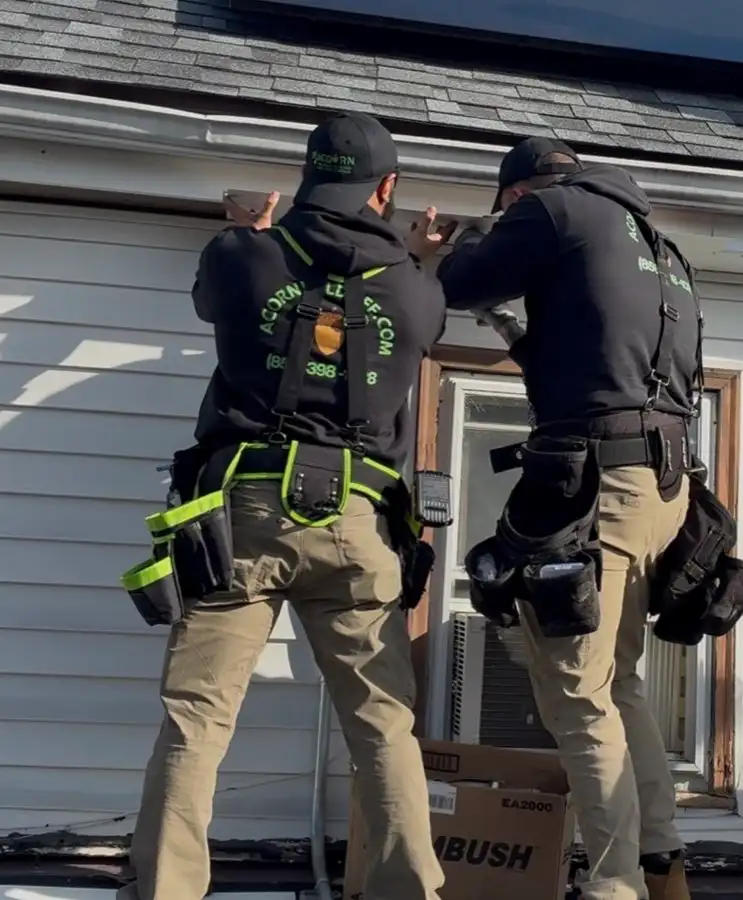
One-Way Exclusion Devices
We seal every gap on the structure except the main entries, then mount one-way devices (tubes or netting valves) over those. The colony flies out to feed at night and cannot land and crawl back in. After several nights of zero activity, the devices come off and the entries are sealed permanently.
The Full-Structure Seal
Bats use gaps as small as 3/8 inch, which means bat exclusion is really whole-roofline work: ridge caps, chimney flashing, gable vents, fascia gaps. This is why bat jobs cost more than raccoon jobs. The device is easy; sealing a whole house to bat standards is the job.
What New Jersey Law Requires
New Jersey's bats are protected, and NJDEP guidance prohibits excluding them while flightless pups are in the roost. We follow it to the letter, and we put the timing in writing in your quote. Any company that offers to "get the bats out this week" in mid June is telling you they either don't know the rules or don't follow them.
The May–July Blackout: Why Bat Removal Has a Calendar
Here is what we can do during the blackout, honestly: inspect, count the fly-out, map every entry, seal the gaps bats are not using, install the bat house if you want one, and put your exclusion on the calendar for the first legal week. What Acorn Wildlife will not do is strand a roost full of pups to close a job faster. Dead pups in a wall cavity are a cruelty problem and then a dead-animal odor problem, and fixing that costs more than doing it right ever would.
The colonies themselves are almost always big brown bats or little brown bats. Little browns were hit so hard by white-nose syndrome that they are now endangered in New Jersey, which is part of why the state takes roost protection seriously and why we do too.
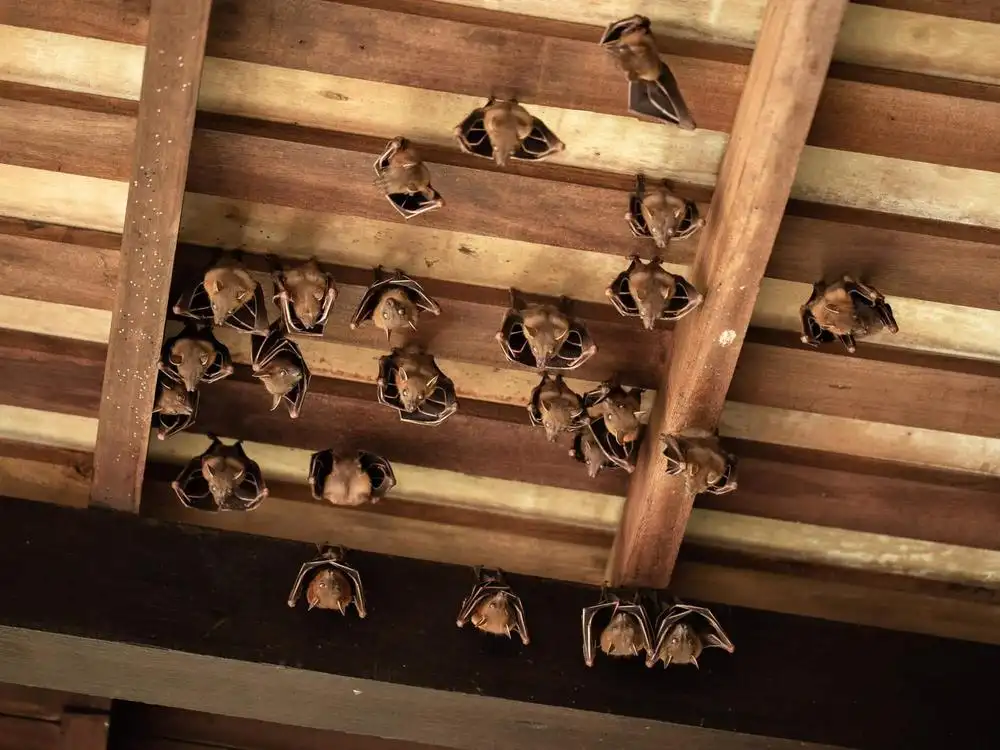
Sealing Bats Out for Good
Bat exclusion and bat-proofing are the same job, which is why every Acorn bat exclusion carries the Acorn Seal-Tight Warranty: if bats get back in through work we did, we come back at no charge. Colonies are loyal to a roost and will test the same roofline every spring, so the seal has to hold for years, not seasons.
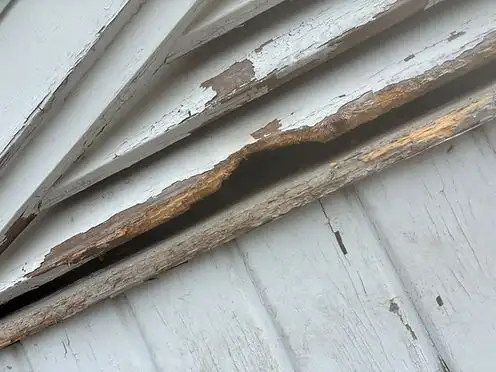
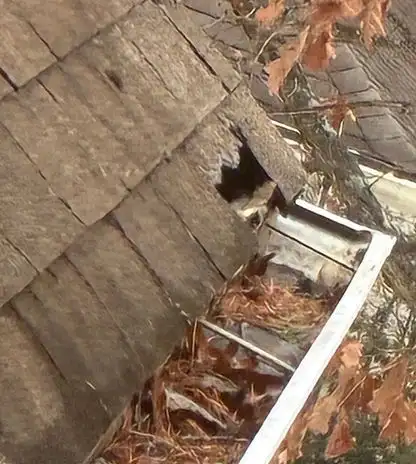
The entry points we seal most on South Jersey bat jobs: roofline and fascia gaps, chimney flashing and caps, gable and ridge vents, and soffit gaps. The whole method is on our wildlife exclusion page. Old roosts get attic cleanup and sanitization: guano can host the fungus that causes histoplasmosis, which the CDC recommends treating with real respiratory precautions, not a shop vac.
Bat Removal Near You
Bat FAQs
Can you remove bats in June?
Are the bats in my attic dangerous?
Will a bat house actually work?
How fast can you get out to look?
Free · No obligation
Every Acorn Job Starts With a Free Inspection
Before we quote a dollar of work, a licensed technician walks the whole property — roofline, soffits, vents, chimney, the full foundation line, the attic or crawl space, the decks and the yard — and finds every opening an animal is using, plus the ones it would use next. It takes as long as it takes: often an hour, sometimes two. There is no charge for the visit.
✓ Free whether or not you hire us
✓ No call-out fee, no minimum, no signature on the day
✓ Every entry point photographed and shown to you
✓ A written quote priced off what was actually found
Ready to Reclaim Your Attic?
Free same-week inspection, dusk fly-out count, legal exclusion timeline in writing.