Home › Bat Removal › Washington Township
Humane exclusion · NJDEP-licensed · Maternity-season honest
Bat Removal in Washington Township, NJ
Washington Lake Park's water and woods feed a healthy bat population, and the township's 1970s and 80s housing gives them roosts: gable vents, ridge caps, and fascia gaps that have had fifty years to open up. Here is how removal works, and when it legally has to wait.
Short answer: Acorn Wildlife removes Washington Township bat colonies with one-way exclusion devices that let bats leave at night and never get back in, then seals every gap larger than a pencil. NJDEP guidance blocks exclusion from May through July while flightless pups are in the roost, so honest scheduling is part of the quote.
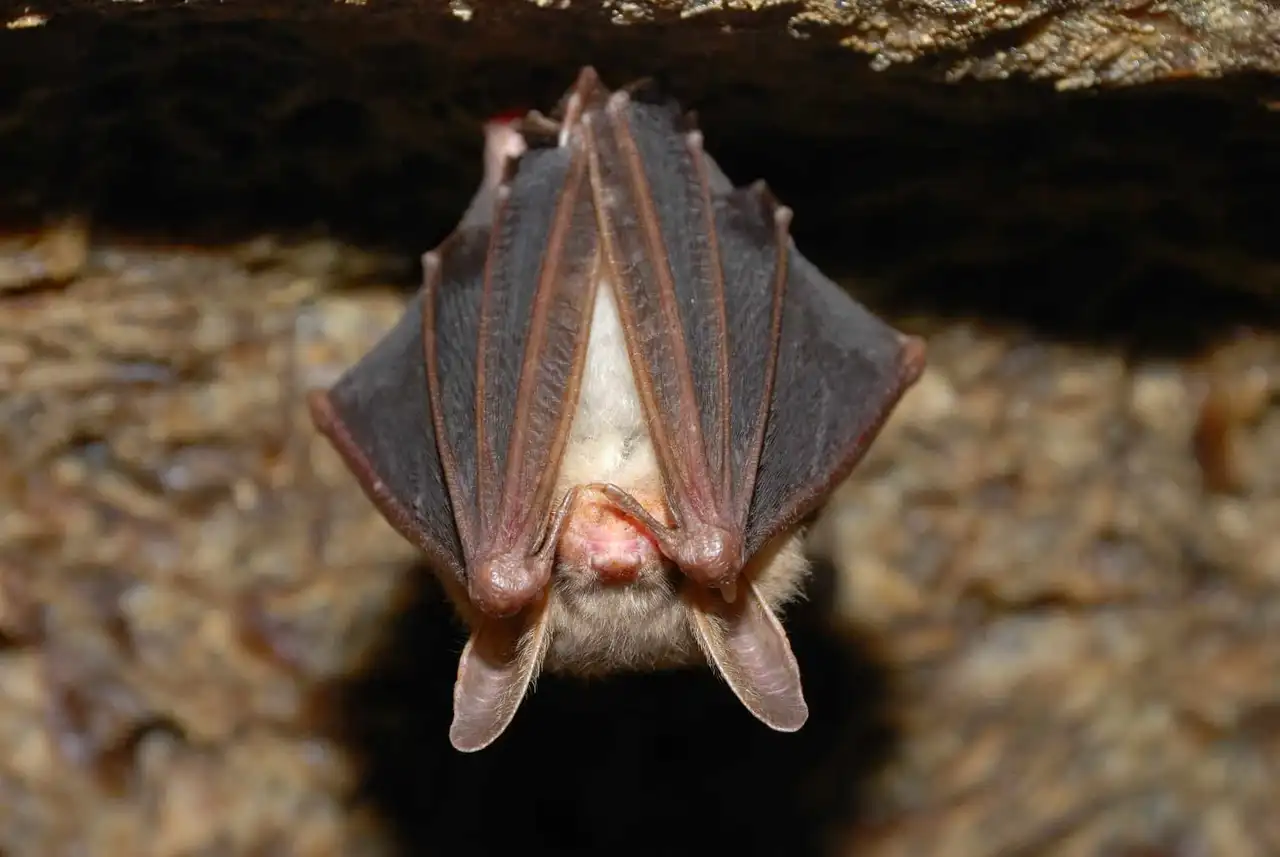
This page covers bat work in Washington Township. The full method, health guidance, and legal detail live on our South Jersey bat removal page, and the rest of our local services are on the Washington Township wildlife removal page.
How Do Bats Get into Washington Township Homes?
The park is the engine. Bats feed heaviest over water, and the lake plus the wooded stream corridors around it support the colonies that roost in nearby neighborhoods, Turnersville and the blocks around the park most of all. Inside the house, the evidence is droppings piled directly below one spot in the attic and dark staining at the exterior gap. Bat droppings mimic mouse droppings but crumble to shiny insect dust. The free confirmation is a dusk watch: bats exit like clockwork.
The one thing we will not do is exclude a colony between May and July. That is maternity season, the roost is full of pups that cannot fly, and NJDEP guidance blocks exclusion for exactly that reason. We schedule township exclusions for early spring or August onward, and we tell you that on the first call instead of after a deposit.
Short answer: Through gaps most homeowners cannot see from the ground: the slot behind a gable vent's frame, the ridge cap ends, and the joint where fascia meets roof deck. On the township's split-levels and colonials those joints are original 1970s and 80s construction, and a bat needs an opening about the width of a pencil.
A Recent Bat Job in Washington Township
Other Wildlife Services in Washington Township
Bat Removal Nearby
Washington Township Bat FAQs
We see bats over Washington Lake Park every evening. Should we assume they are in our attic?
A bat was in the house and we are not sure if it touched anyone. Now what?
Why can't you just seal the holes while the bats are out feeding?
Free · No obligation
Every Acorn Job Starts With a Free Inspection
Before we quote a dollar of work, a licensed technician walks the whole property — roofline, soffits, vents, chimney, the full foundation line, the attic or crawl space, the decks and the yard — and finds every opening an animal is using, plus the ones it would use next. It takes as long as it takes: often an hour, sometimes two. There is no charge for the visit.
✓ Free whether or not you hire us
✓ No call-out fee, no minimum, no signature on the day
✓ Every entry point photographed and shown to you
✓ A written quote priced off what was actually found
Ready for a Bat-Free Washington Township Attic?
Dusk count, photo-mapped gaps, legal timing, warrantied sealing.