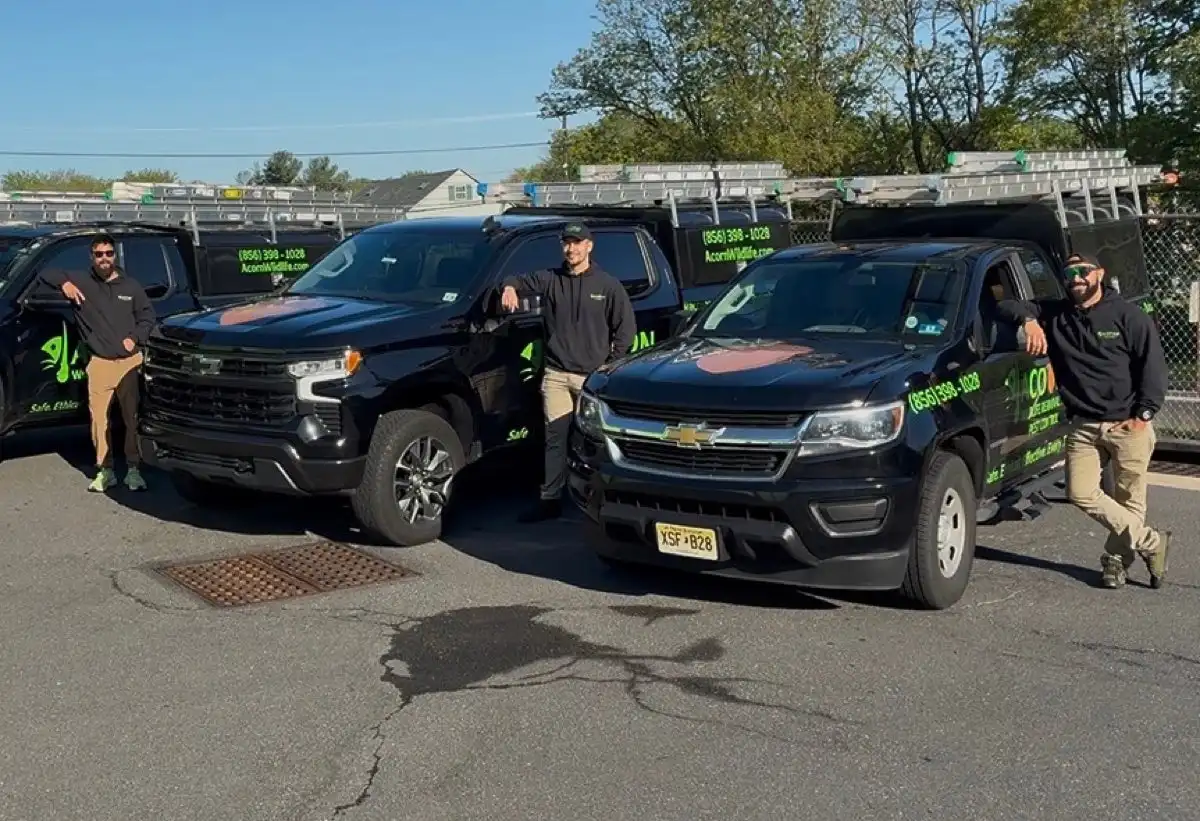
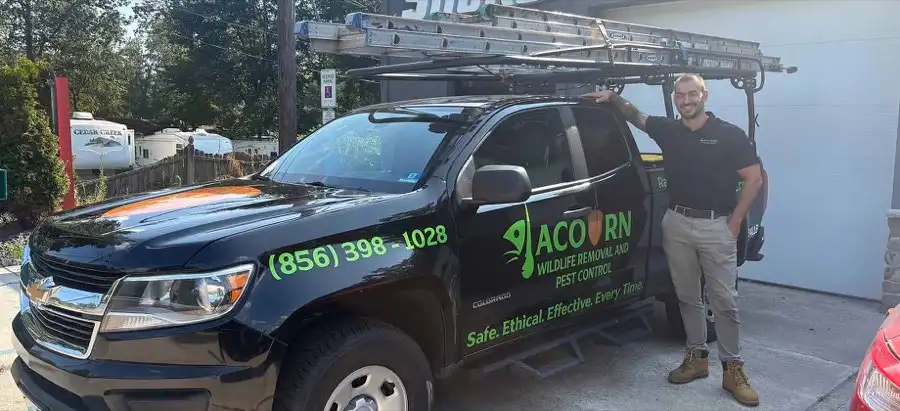
Ewing sits between the Delaware River and the city line on our Mercer County map, and its wildlife runs on two rails: the riverfront itself, where the D&R Canal's feeder runs along the water from Wilburtha past Scudder Falls, and the township's postwar housing, block after block of 1950s ranches and capes whose original vents and soffits are now seventy years old. The College of New Jersey adds a rental market with its own patterns.
Recent Acorn Jobs in Ewing
A few recent calls, so you can see what Ewing work actually looks like. Street addresses stay private; neighborhoods tell the story.
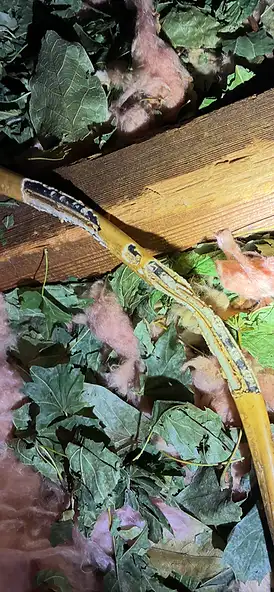
West Trenton: Squirrels
Gable-vent colony in a 1950s ranch. Excluded in three days, both vents screened in steel.
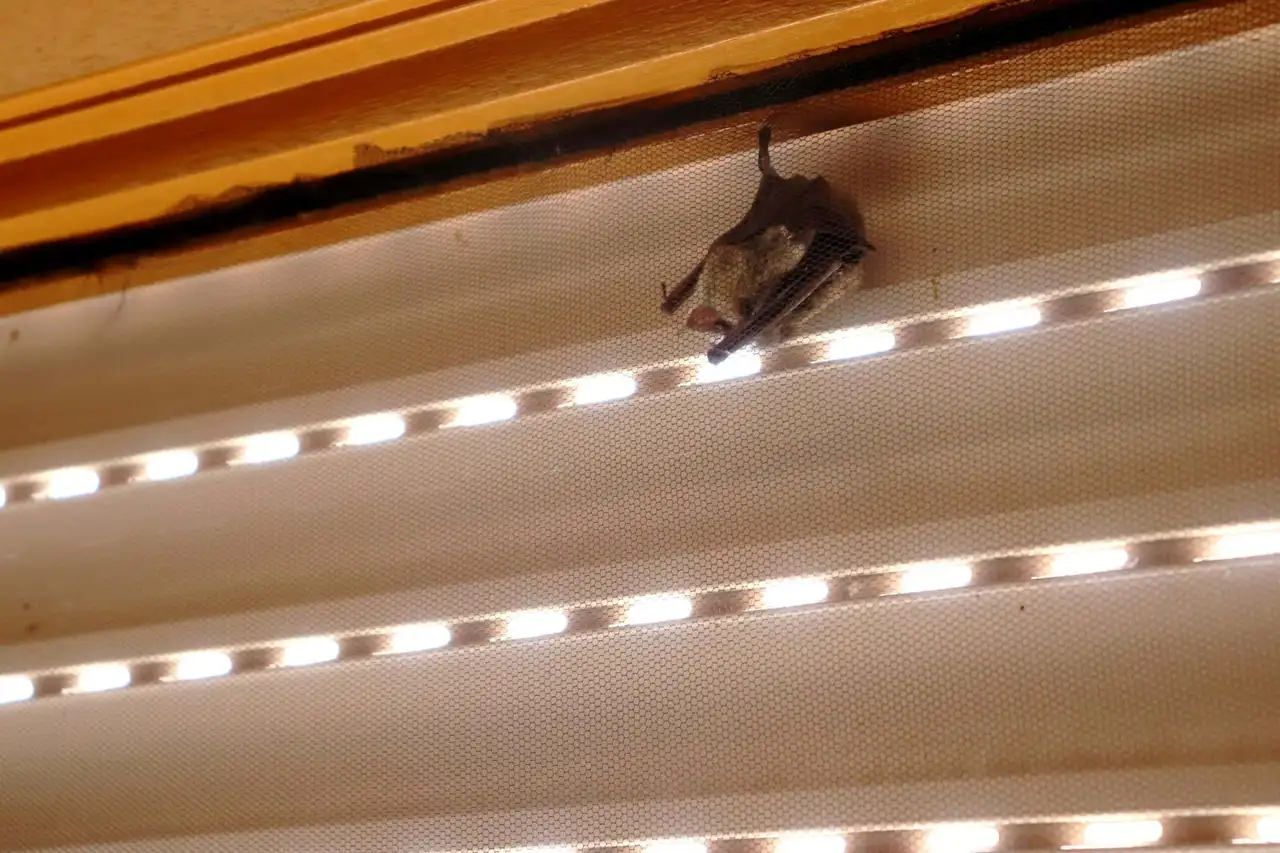
Wilburtha: Bats
Big browns in a riverfront attic near the canal feeder. Counted at dusk, excluded the first legal week of August.
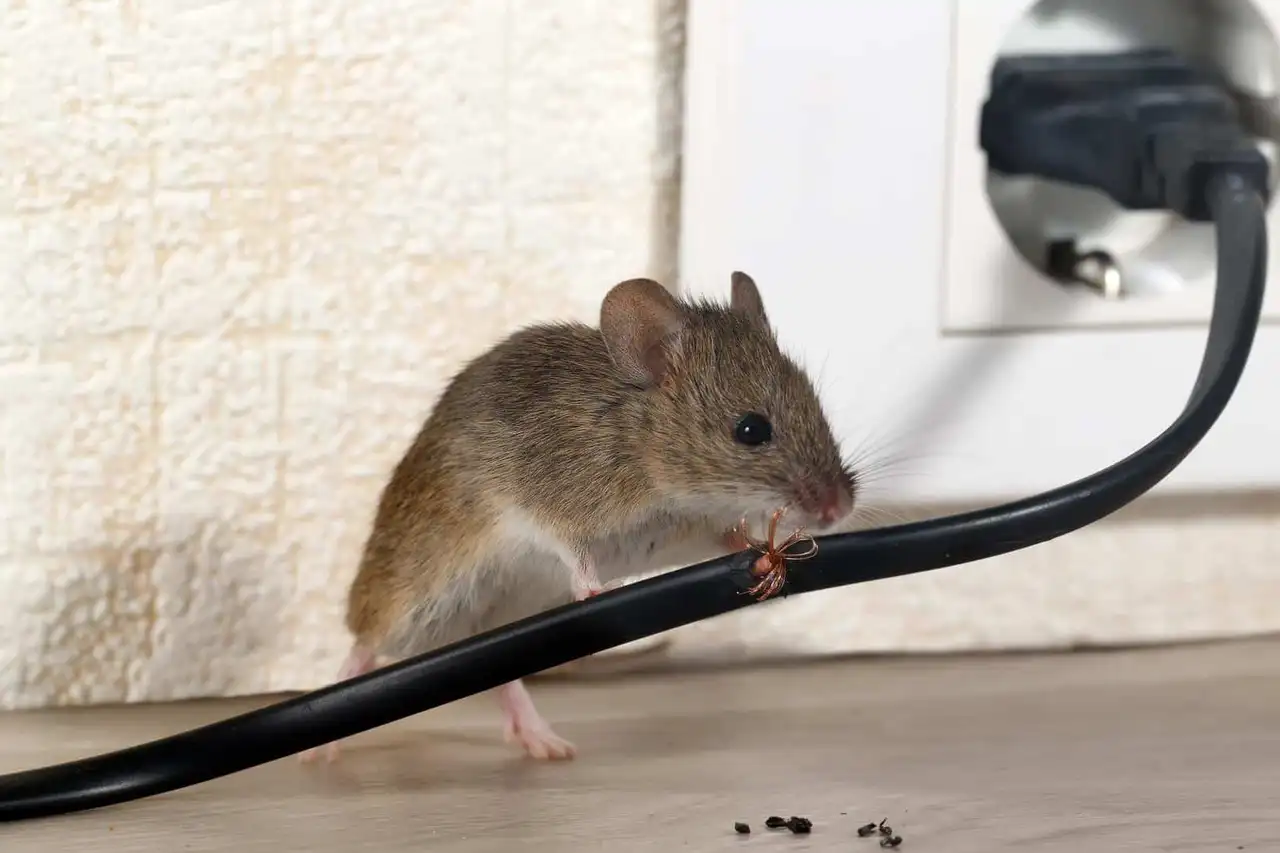
Near TCNJ: Mice in a Rental
Mice in a student rental's wall voids. Whole-perimeter sealing, photo report to the landlord the same day.
Wildlife Services in Ewing
Every card below links to the full service guide: how removal works, what it costs, and how the sealing is warrantied. Ewing-specific questions get answered on this page and on the phone.
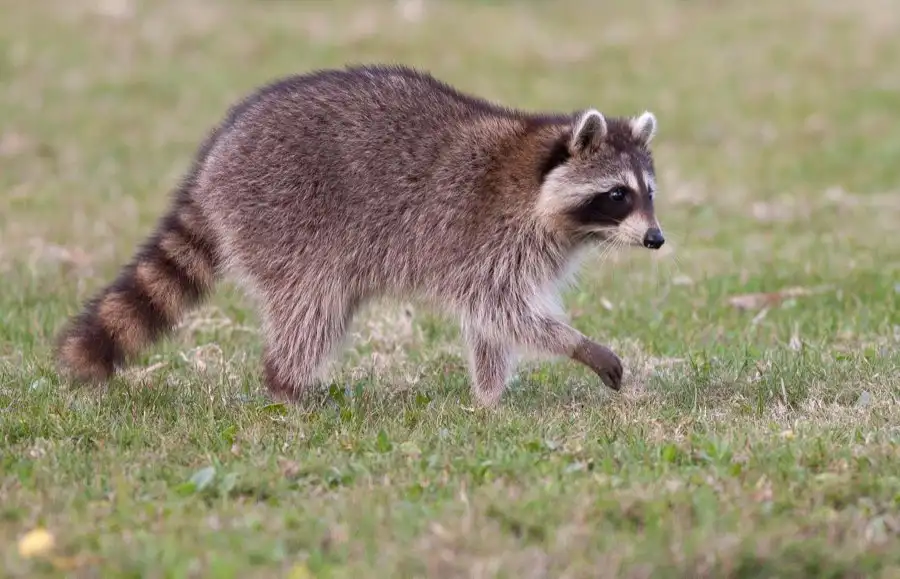
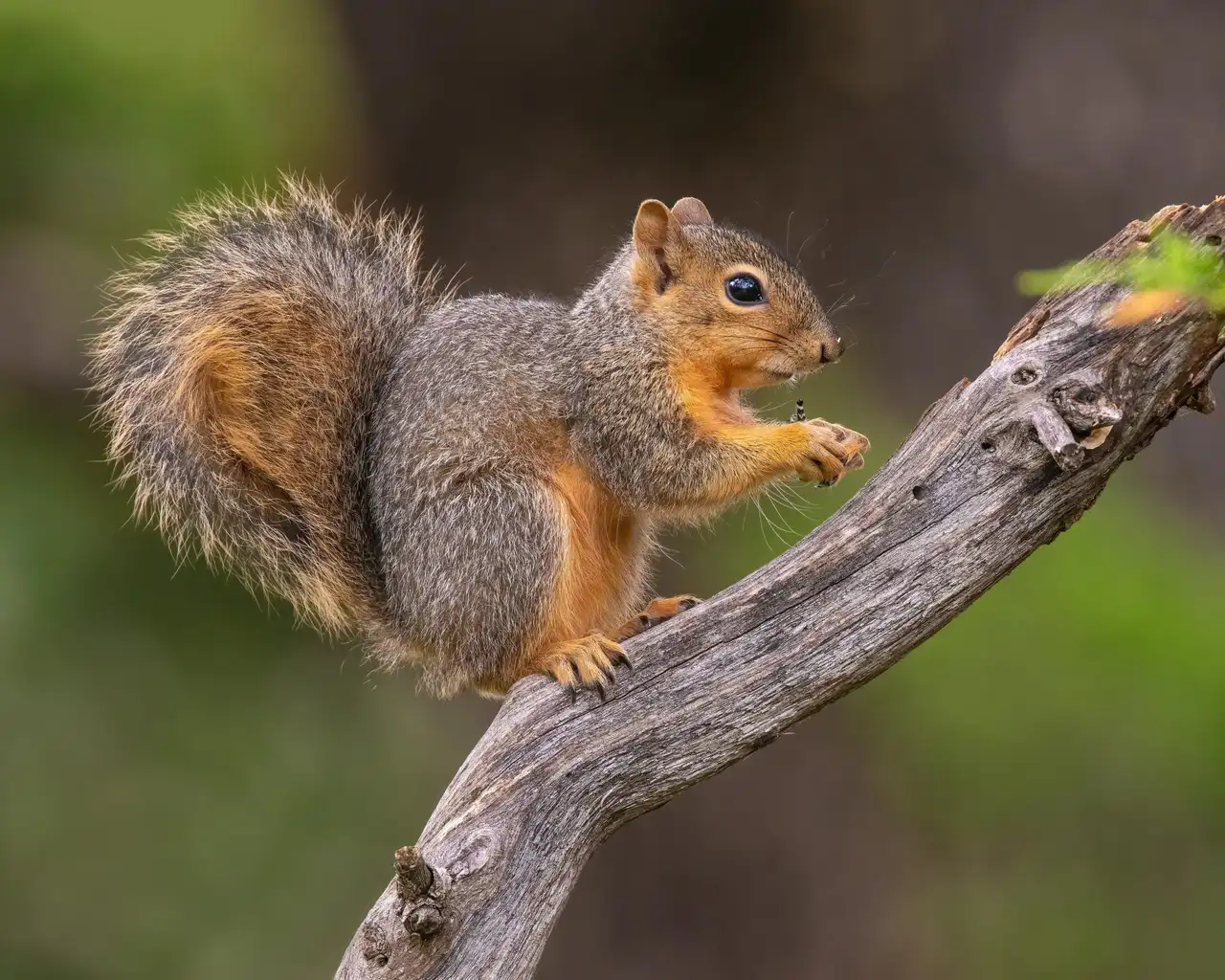
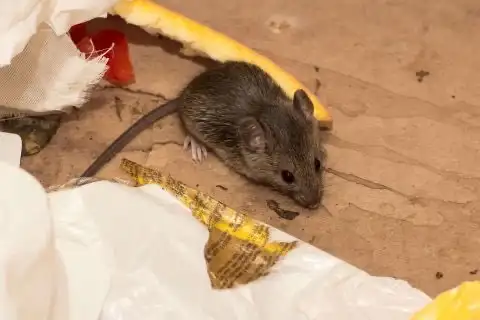
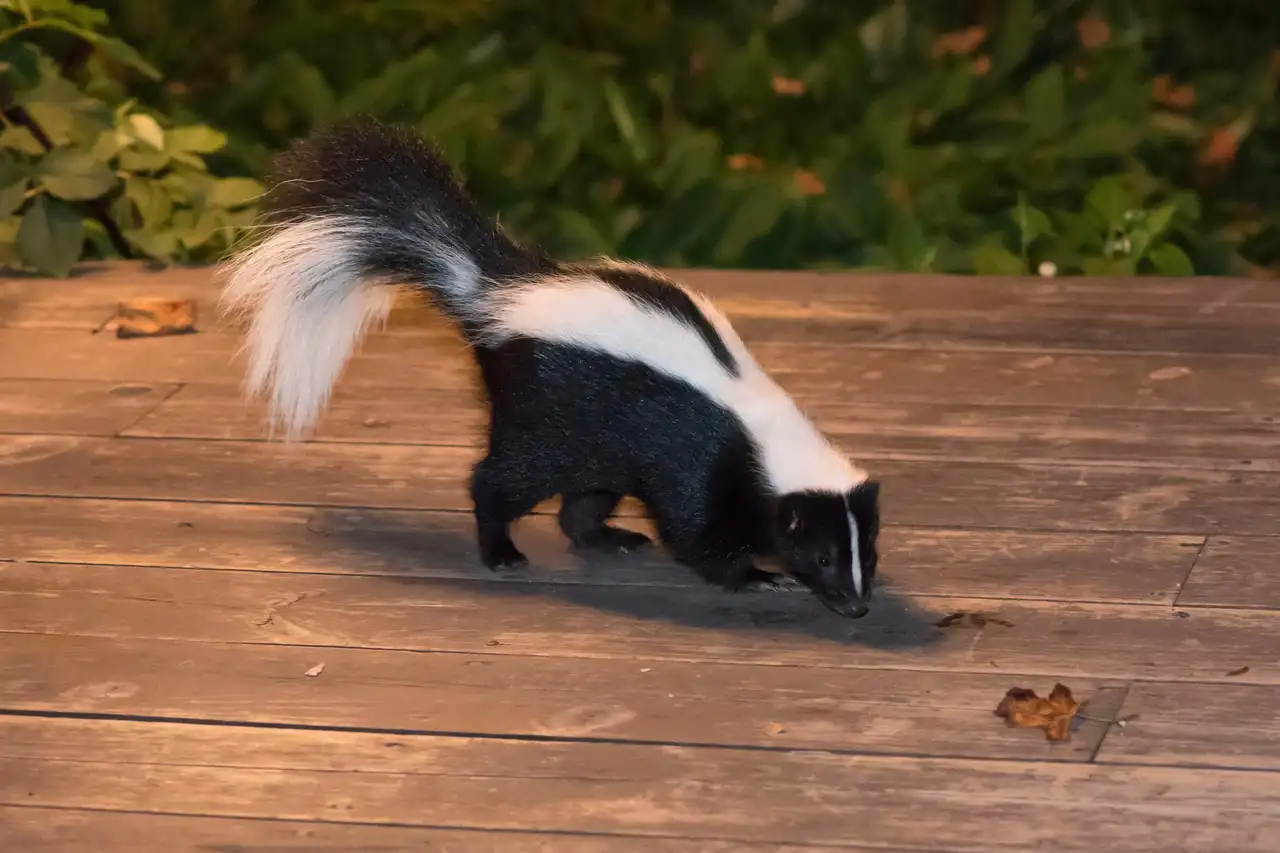
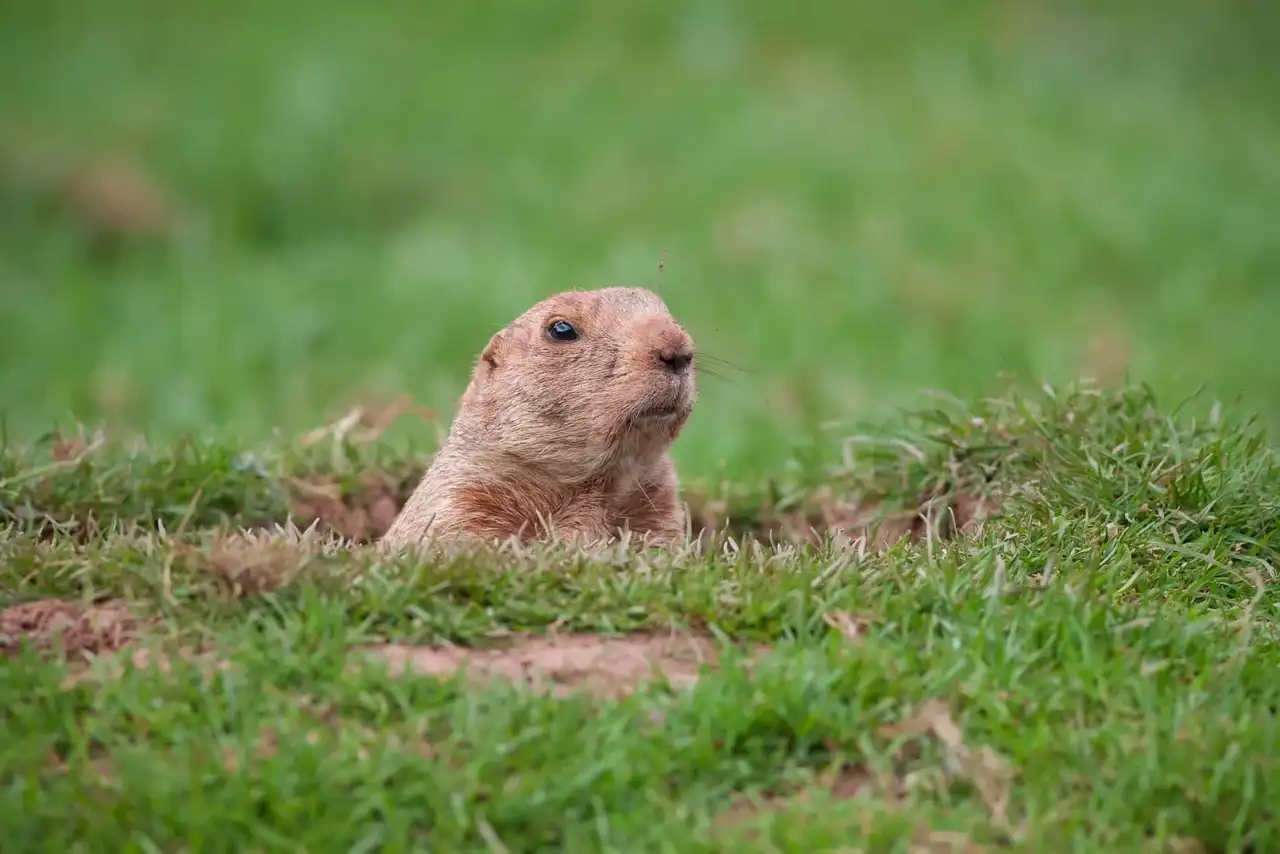
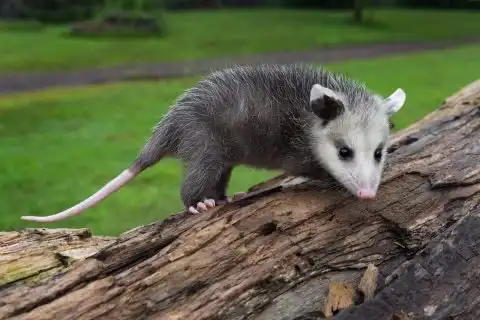
Also serving Ewing: snake removal, mole control, dead animal removal, wildlife exclusion and repairs, and attic cleanup and sanitization.
What We Get Called for Most in Ewing
The postwar streets are the volume. Ewing built out fast after the war, and its ranches and capes, from West Trenton across to the Olden Avenue side, share the same aging aluminum gable vents and wood soffit returns. Squirrels lead the Ewing call log, raccoons second, mice third. The river rail feeds it: raccoons and opossums travel the D&R Canal feeder and the wooded riverbank from Wilburtha to Scudder Falls nightly, and river insects keep summer bat colonies well fed.
The TCNJ area adds rental patterns: older houses divided into student units where a torn screen or rotted soffit goes unreported until something moves in, and landlords who need photo documentation as much as removal. Acorn Wildlife in Ewing, NJ covers the campus blocks, the river villages, and every postwar street between, ten minutes from our Riverview Plaza office.
Spring
Raccoon and squirrel litters in postwar attics. Baby-season family removals, done without stranding kits.
Summer
Bat maternity season along the river. Inspections and exclusion prep during the legal blackout.
Fall
The September squirrel push, plus mice moving into basements and rentals as nights cool.
Winter
Attic-refuge season. Anything that found a gap in October is overhead by January.
Five-Minute Checks for an Ewing House
✓ Look at both gable vents from the curb. Bent louvers or chew marks at a corner mean squirrel traffic.
✓ Walk the soffit line where the roof meets the gutter. Lifted or stained returns are the classic 1950s entry.
✓ Near the river or canal feeder, look for greasy rub marks on downspouts. Raccoons climb the same route nightly.
✓ Check riverfront fascia seams for dark staining. Staining means bats are roosting behind the board.
✓ Landlords near TCNJ: ask tenants about noises at turnover. They rarely volunteer it until damage is done.
Any one of those signs is worth a call. The inspection is included, the entry-point map is photographed, and the quote is written. No pressure, no mystery.
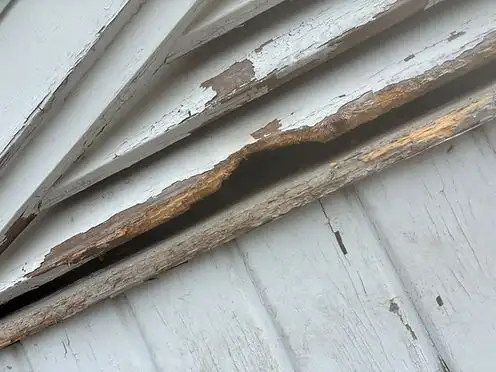
Acorn techs sealing a soffit return — the classic squirrel entry point.
Areas We Work Weekly
West Trenton
Wilburtha
Mountain View
Glendale
TCNJ campus edge
Olden Avenue corridor
Scudder Falls riverfront
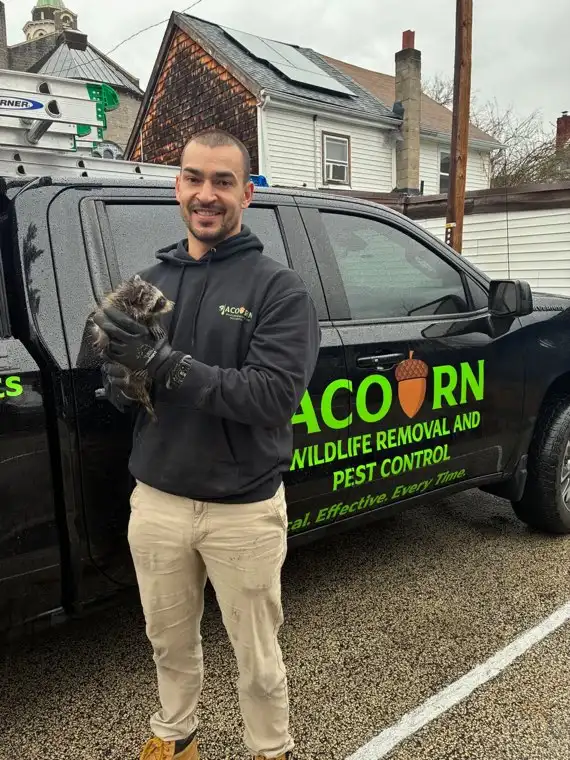
Humane removal — every animal handled with care.
Ewing Wildlife FAQs
How fast can you get to Ewing?
Who handles stray dogs and cats in Ewing?
Why does my street near the canal feeder get raccoons every year?
I own a rental near TCNJ. How does this work with tenants in place?
Nearby Service Areas
Free · No obligation
Every Acorn Job Starts With a Free Inspection
Before we quote a dollar of work, a licensed technician walks the whole property — roofline, soffits, vents, chimney, the full foundation line, the attic or crawl space, the decks and the yard — and finds every opening an animal is using, plus the ones it would use next. It takes as long as it takes: often an hour, sometimes two. There is no charge for the visit.
✓ Free whether or not you hire us
✓ No call-out fee, no minimum, no signature on the day
✓ Every entry point photographed and shown to you
✓ A written quote priced off what was actually found
Ewing, Let's Get It Out
Ten minutes from Riverview Plaza. Free same-week inspection, photo-documented entry map, written quote.