Home › Wildlife Removal › Raccoon Removal
Humane · Baby-season safe · Warrantied exclusion
Raccoon Removal in South Jersey
Raccoons are the number two attic call we get across Camden, Burlington, Gloucester, Mercer, and Cumberland counties, and the number one source of real damage. This page covers how we confirm it's a raccoon, how humane removal actually works under New Jersey law, what it costs, and how we keep them out for good.
Short answer: We remove raccoons humanely with one-way doors and live traps, never separating mothers from kits, then seal every entry point with warrantied repairs. Most Camden, Burlington, Gloucester, Mercer, and Cumberland county removals are complete within 3 to 7 days of inspection.
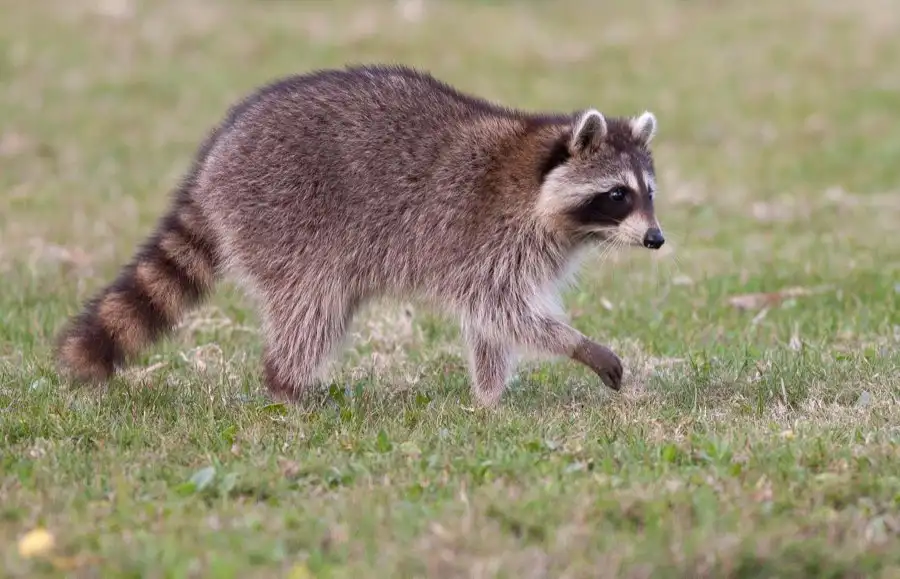
How Do I Know It's a Raccoon?
Short answer: Raccoons announce themselves: slow, heavy thumping after dusk, a torn soffit or bent gable vent, tubular droppings concentrated in one attic corner, and dark rub marks on the downspouts they climb. If the noise sounds like a person walking overhead, think raccoon, not squirrel.
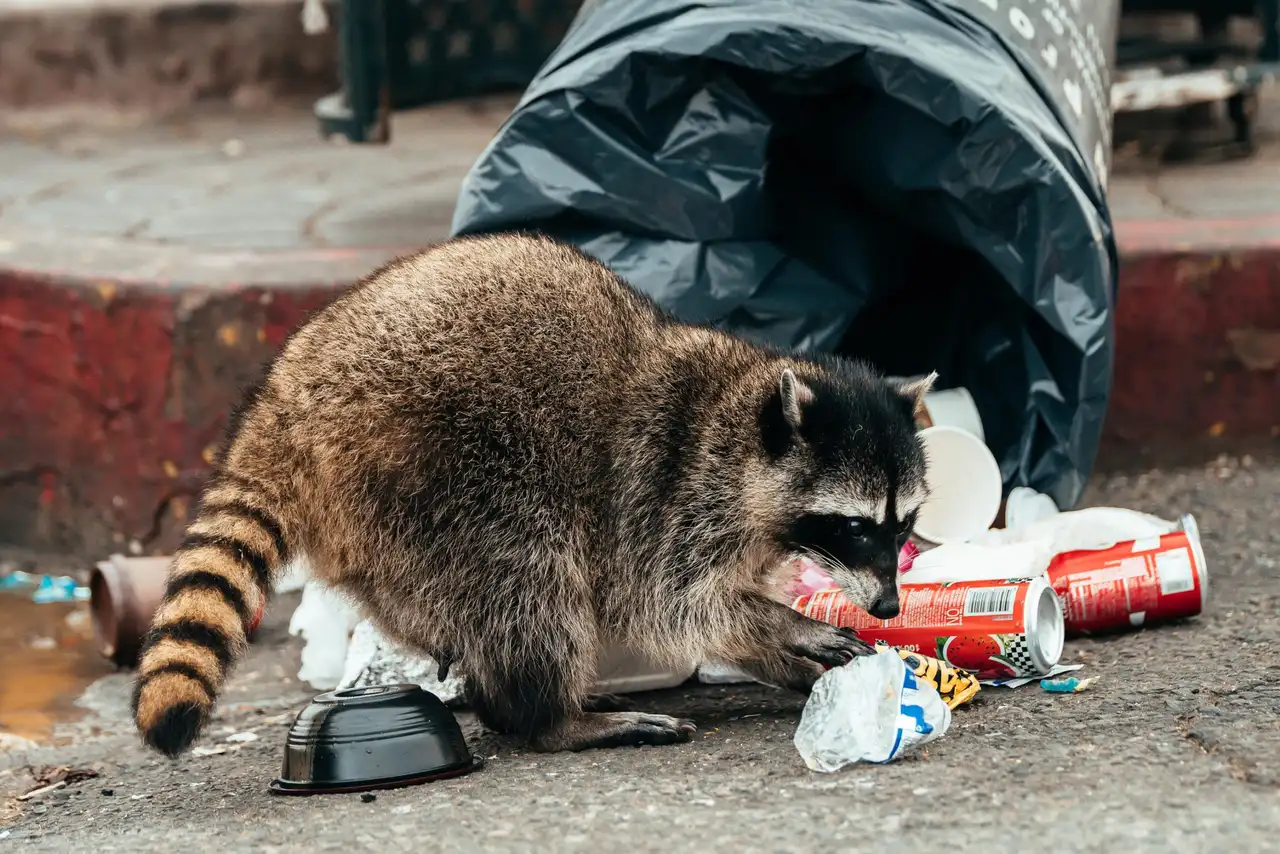
Sounds
Slow, heavy thumping and dragging after dusk and before dawn. Chittering or crying in spring usually means kits, which changes the whole removal plan.
Droppings
Tubular, 2–3 inches, often in one latrine corner of the attic or on the roof. Our ID guide has photos. Most homeowners guess wrong.
Entry Damage
Torn soffit returns, ripped shingles at the roofline, bent gable-vent louvers. Raccoons make holes; squirrels chew them.
Tracks and Smears
Five-fingered prints and dark rub marks on downspouts and corner boards they climb nightly.
Not sure it's a raccoon? Start with our attic noise guide or try the Noise ID Tool on our homepage. It asks the same three questions Brandon asks on every call.
How Acorn Removes Raccoons Humanely
Method depends on one question we answer during inspection: is there a litter? From roughly March through June, most attic raccoons in South Jersey are mothers with kits.
One-Way Doors (No Litter)
Mounted over the main entry after every other gap is sealed. The raccoon leaves for its nightly forage and can't get back in. No trap, no stress, no relocation questions.
Family Removal (Baby Season)
Kits are removed by hand and staged securely nearby so the mother relocates them herself to a backup den. It takes longer and we'll tell you so. A one-way door used on a nursing mother strands the litter in your insulation, and that's a far worse outcome for everyone. This is the part of the job where cheap and fast goes wrong.
What New Jersey Law Allows
New Jersey tightly restricts relocating raccoons because they are a rabies-vector species. We're straight with you about what the law requires. It's also why hiring a licensed operator (NJDEP #92411B) matters more for raccoons than for any other animal.
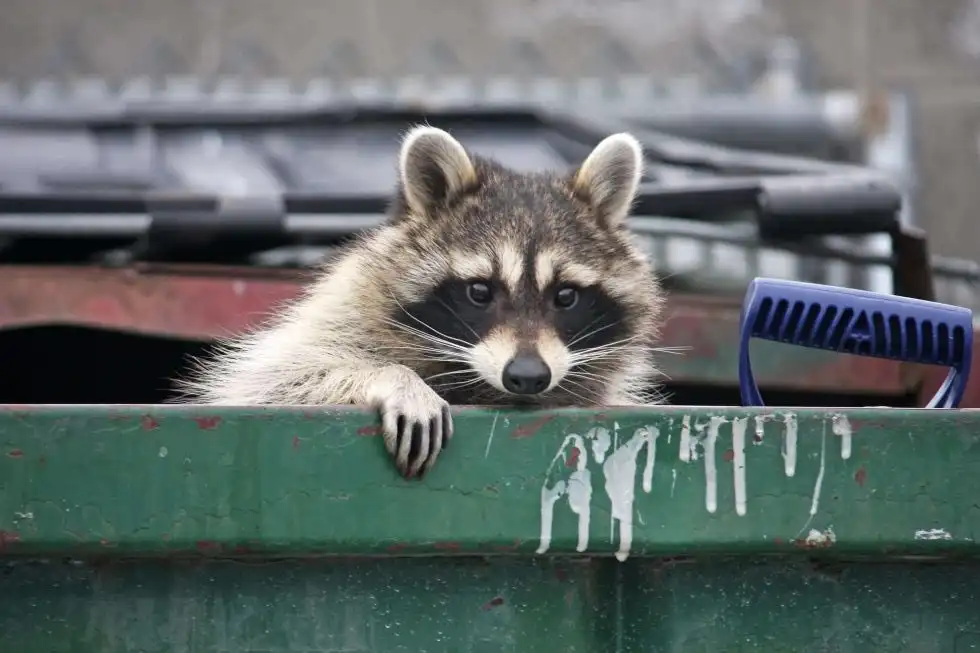
Bold around food sources, and bolder still about your attic. The average adult fits through a gap the size of a softball.
Sealing Raccoons Out for Good
A raccoon that's lived in your attic leaves scent that advertises the den to every raccoon that passes through your yard for years. Removal without exclusion is a short-term rental turnover. Our exclusion repairs (steel, hardware cloth, proper flashing at the roofline, soffits, and vents) carry the Acorn Seal-Tight Warranty: if animals get back in through a repair we made, we come back at no charge.
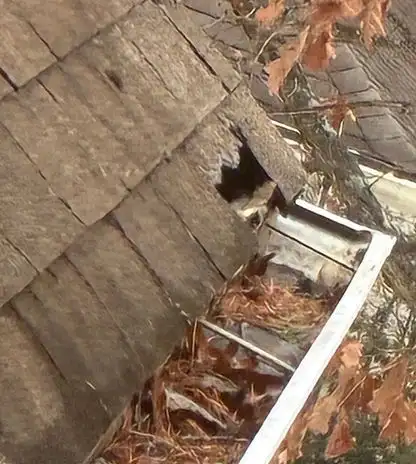
Roofline & Fascia
The number one raccoon entry. We rebuild and flash the gap, not just stuff it.
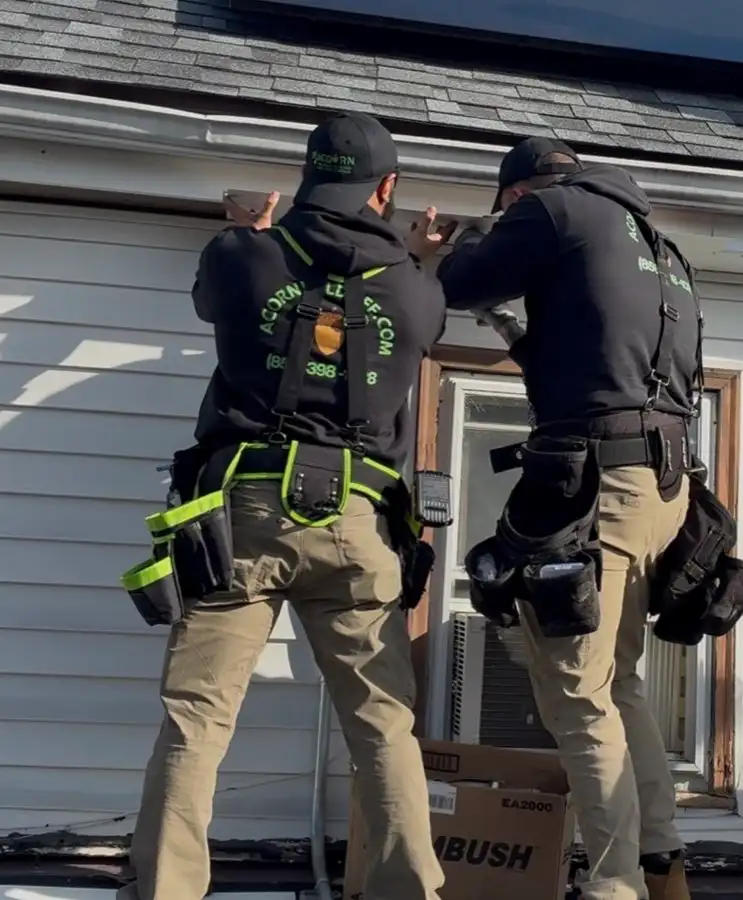
Soffit Returns
Torn returns get hardware cloth backing plus new material, painted to match.
Chimneys
A proper cap ends the den site permanently. Never smoke a raccoon out; in spring that's a mother and kits.
See exactly how we seal each entry point: rooflines, soffits, chimney caps, and vents. After removal, attic cleanup and sanitization handles the latrine and any insulation damage.
Raccoon Removal Near You
Raccoon FAQs
Will a raccoon leave on its own?
Can I just trap it myself?
Do raccoons really carry rabies?
How fast can you get a raccoon out?
What happens to the raccoon?
Free · No obligation
Every Acorn Job Starts With a Free Inspection
Before we quote a dollar of work, a licensed technician walks the whole property — roofline, soffits, vents, chimney, the full foundation line, the attic or crawl space, the decks and the yard — and finds every opening an animal is using, plus the ones it would use next. It takes as long as it takes: often an hour, sometimes two. There is no charge for the visit.
✓ Free whether or not you hire us
✓ No call-out fee, no minimum, no signature on the day
✓ Every entry point photographed and shown to you
✓ A written quote priced off what was actually found
Ready to Be Raccoon-Free?
Free same-week inspection, photo-documented entry map, written quote. Humane, always.