Home › Wildlife Removal › Flying Squirrel Removal
Colony experts · Nocturnal ID · Warrantied exclusion
Flying Squirrel Removal in New Jersey
Flying squirrels are the attic animal most South Jersey homeowners have never seen, because they only come out at night and they are small enough to use gaps a gray squirrel would ignore. They also never live alone. Acorn Wildlife handles flying squirrel colonies across Camden, Burlington, Gloucester, Mercer, and Cumberland counties, and this page explains how we confirm them, remove them, and seal them out.
Short answer: We remove flying squirrels with one-way exclusion doors over their entry gaps after sealing the rest of the roofline, timed around their nesting season so no young are stranded. Because flying squirrels live in colonies, we plan for the whole group, not one animal, and every repair carries our Seal-Tight Warranty.
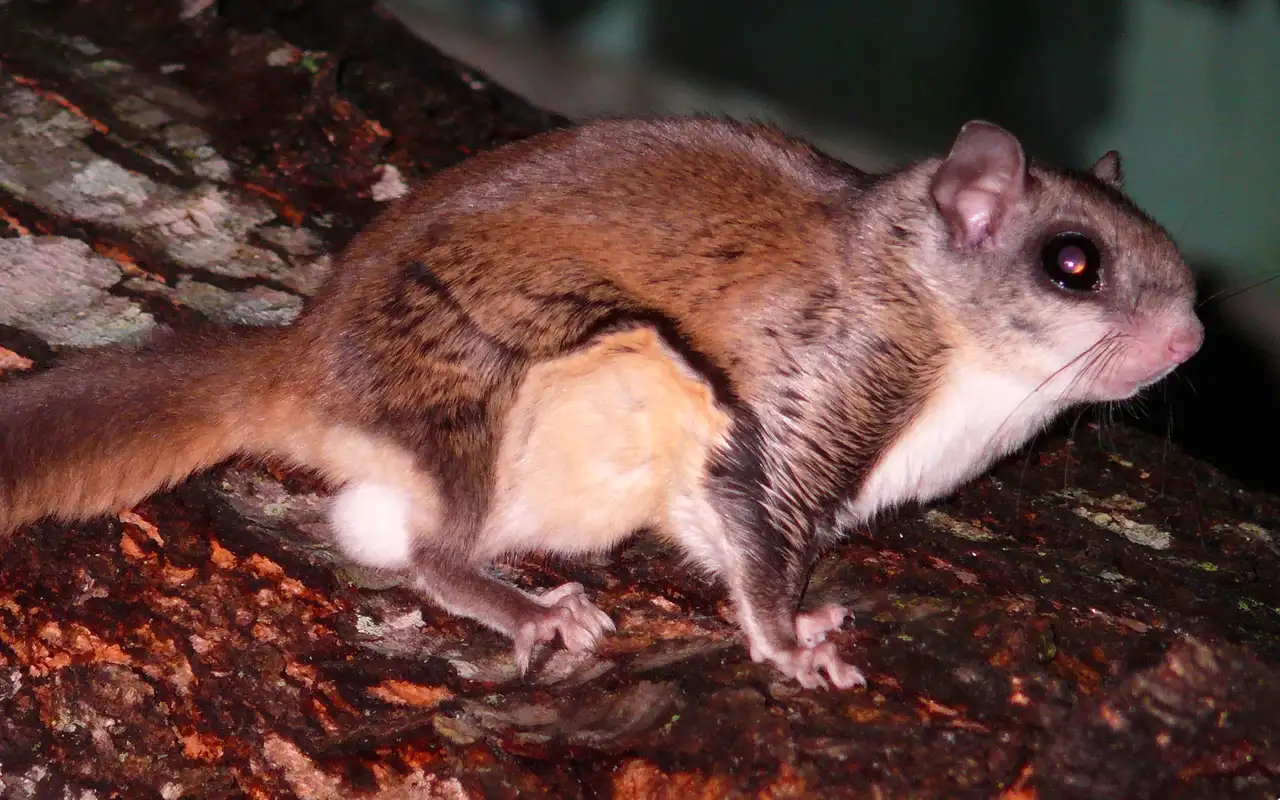
How Do I Know It's Flying Squirrels?
Short answer: Flying squirrels sound like gray squirrels on the wrong schedule: light, fast scurrying and soft thumps that start well after dark and peak in the middle of the night. Add small scattered droppings, walnut or hickory shell caches, and a musky odor near the eaves, and you have a colony, not a single animal.
Sounds
Quick, light scampering, soft landing thumps, and faint chirps after dark. Daytime silence is the tell. Gray squirrels commute at dawn; flying squirrels work the night shift.
Droppings
Small pellets, similar to a gray squirrel's but often concentrated in communal corners because the whole colony shares latrine spots. Urine staining at gable ends is common.
Entry Points
Gaps as small as a quarter: knot holes, roofline construction gaps, and the corners of gable vents. Entries often show a greasy rub mark rather than heavy chewing.
Caches and Glide Marks
Piles of gnawed hickory and walnut shells in the attic, and landing smudges on the fascia where the colony glides in from nearby oaks and hickories.
New Jersey's flying squirrels are southern flying squirrels, and they are genuinely common in wooded towns like Medford, Moorestown, and Mullica Hill. Most homeowners only discover them when the night noise gets too busy to ignore. Not sure what you are hearing? Our attic noise guide sorts it by time of day.
How Acorn Removes Flying Squirrel Colonies Humanely
The single most important fact: flying squirrels live in groups. They den communally, especially in cold months, when a dozen or more can share one attic. A removal plan built for one animal fails against a colony, so our inspection maps every entry and estimates colony size from droppings and caches before we touch anything.
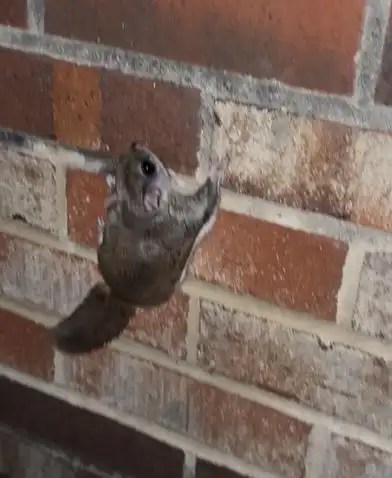
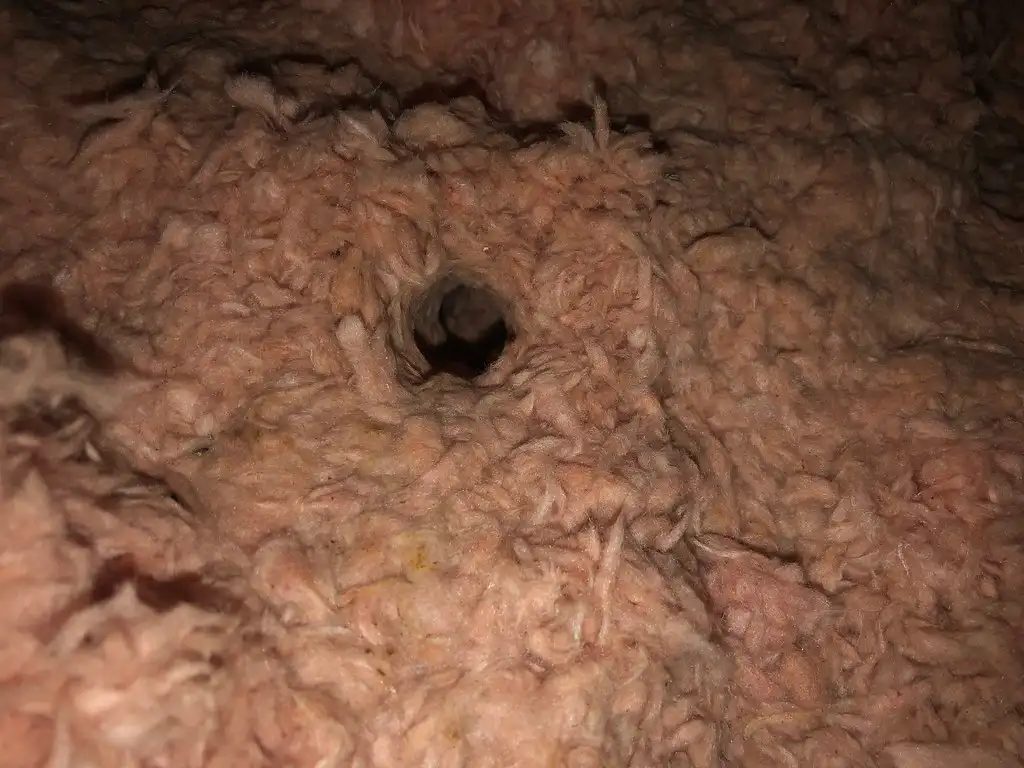
One-Way Exclusion Doors
We seal every gap on the roofline except the one or two main entries, then mount one-way doors sized for flying squirrels. The colony exits to forage at night and cannot get back in. Because these squirrels use multiple entries, the sealing step matters more than the doors. Miss one knot hole and the job fails.
Nesting Season Timing
Southern flying squirrels typically raise young in early spring and again in late summer. During those windows we confirm there are no flightless young in the nest before excluding, and we remove young by hand for reunion if there are. Stranding a nest behind a one-way door is the failure mode of rushed work, and it is why we inspect first.
What New Jersey Law Allows
Flying squirrels are protected wildlife in New Jersey, not vermin you can poison. Poison is illegal for them, cruel, and useless against a colony with outdoor food sources. Acorn Wildlife works under NJDEP license #92411B, and exclusion is both the legal path and the one that actually ends the problem.
Sealing Flying Squirrels Out for Good
Exclusion for flying squirrels has to be tighter than for any other squirrel because of how small their entries are. We treat every gap a quarter could pass through as a door, and we seal in steel and hardware cloth, not foam. Foam is a chew toy. Our repairs carry the Acorn Seal-Tight Warranty: if animals get back in through a repair we made, we come back at no charge.
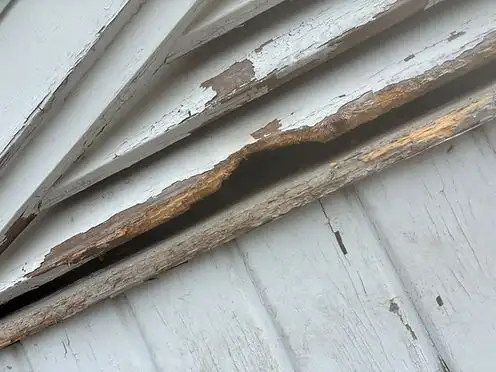
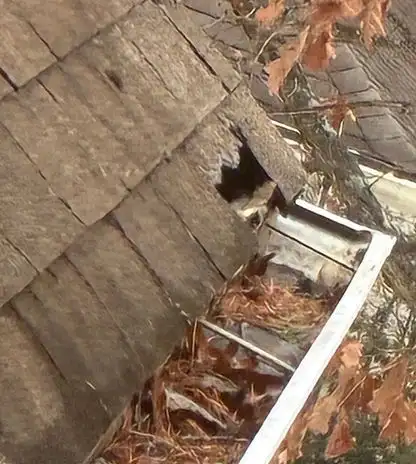
✓ Roofline and fascia gaps flashed in metal end to end, not patched at the entry hole
✓ Gable vents backed with hardware cloth, including the corners colonies favor
✓ Soffit returns and knot holes sealed with steel, painted to match
✓ Overhanging oak and hickory limbs flagged in your report, because they are the glide path
See the repair methods on our wildlife exclusion page, plus the entry-point deep dives: rooflines and fascia, soffits and eaves, and vents. After removal, attic cleanup and sanitization handles the communal latrines that make flying squirrel attics smell.
Flying Squirrel Help Near You
Flying Squirrel FAQs
How many flying squirrels are in my attic?
Are flying squirrels dangerous?
Why can't I just trap them?
Will they come back after exclusion?
How fast can you get out to look?
Free · No obligation
Every Acorn Job Starts With a Free Inspection
Before we quote a dollar of work, a licensed technician walks the whole property — roofline, soffits, vents, chimney, the full foundation line, the attic or crawl space, the decks and the yard — and finds every opening an animal is using, plus the ones it would use next. It takes as long as it takes: often an hour, sometimes two. There is no charge for the visit.
✓ Free whether or not you hire us
✓ No call-out fee, no minimum, no signature on the day
✓ Every entry point photographed and shown to you
✓ A written quote priced off what was actually found
Ready for Quiet Nights Again?
Free same-week inspection, colony-sized exclusion plan, written quote. Humane, always.