Home › Wildlife Removal › Rat Control
No poison indoors · Whole-home sealing · Warrantied
Rat Control in South Jersey
Rats are the call nobody wants to make, so let's take the shame out of it first: Norway rats follow food, water, and gaps, and South Jersey's older housing stock, creeks, and restaurant corridors give them all three. Acorn Wildlife runs rat control across Camden, Burlington, Gloucester, Mercer, and Cumberland counties as a removal and sealing program, not a bait subscription. This page explains the difference.
Short answer: We control rats with an inspection that maps every entry and runway, a trapping program that removes the population inside, and whole-home sealing that keeps the next rats out. We do not lead with poison, because poisoned rats die in your walls and the entry stays open for the next family.
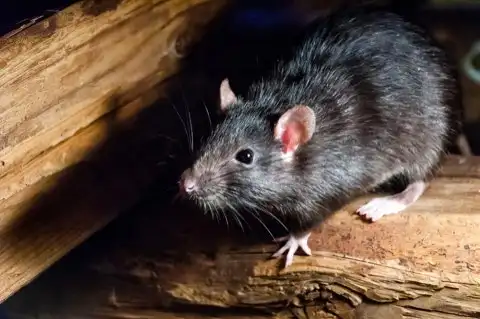
How Do I Know It's Rats?
Short answer: Rats leave a bold trail: blunt-ended droppings about 3/4 inch long, greasy rub marks along baseboards and pipes, gnaw marks with visible tooth grooves, and scratching or gnawing sounds in walls and crawl spaces at night. If the droppings look rice-sized instead, you likely have mice.
Sounds
Scratching, gnawing, and purposeful movement inside walls, under floors, and in crawl spaces after dark. Rats are ground-floor-up animals; attic-only noise points elsewhere.
Droppings
Capsule-shaped, blunt ends, about 1/2 to 3/4 inch, concentrated along walls and behind appliances. Fresh ones are dark and soft; old ones gray and crumbly.
Rub Marks & Runways
Dark, greasy smears along baseboards, joists, and pipe penetrations. Rats are creatures of habit and run the same routes nightly, which is what makes trapping work.
Gnaw Damage
Fresh gnawing on wood, plastic, wiring, and even soft mortar, with paired tooth grooves. Burrow holes 2 to 3 inches wide near foundations, sheds, and compost.
Noise in the walls and not sure what it is? Our scratching in walls guide covers the sound differences, and our rodent control hub compares rat, mouse, and squirrel evidence side by side.
How Acorn Gets Rats Out
Rat control that works is a sequence, and the order matters: find every opening, remove the rats inside, seal the house, verify zero. Skip the sealing and you are renting trap service forever.
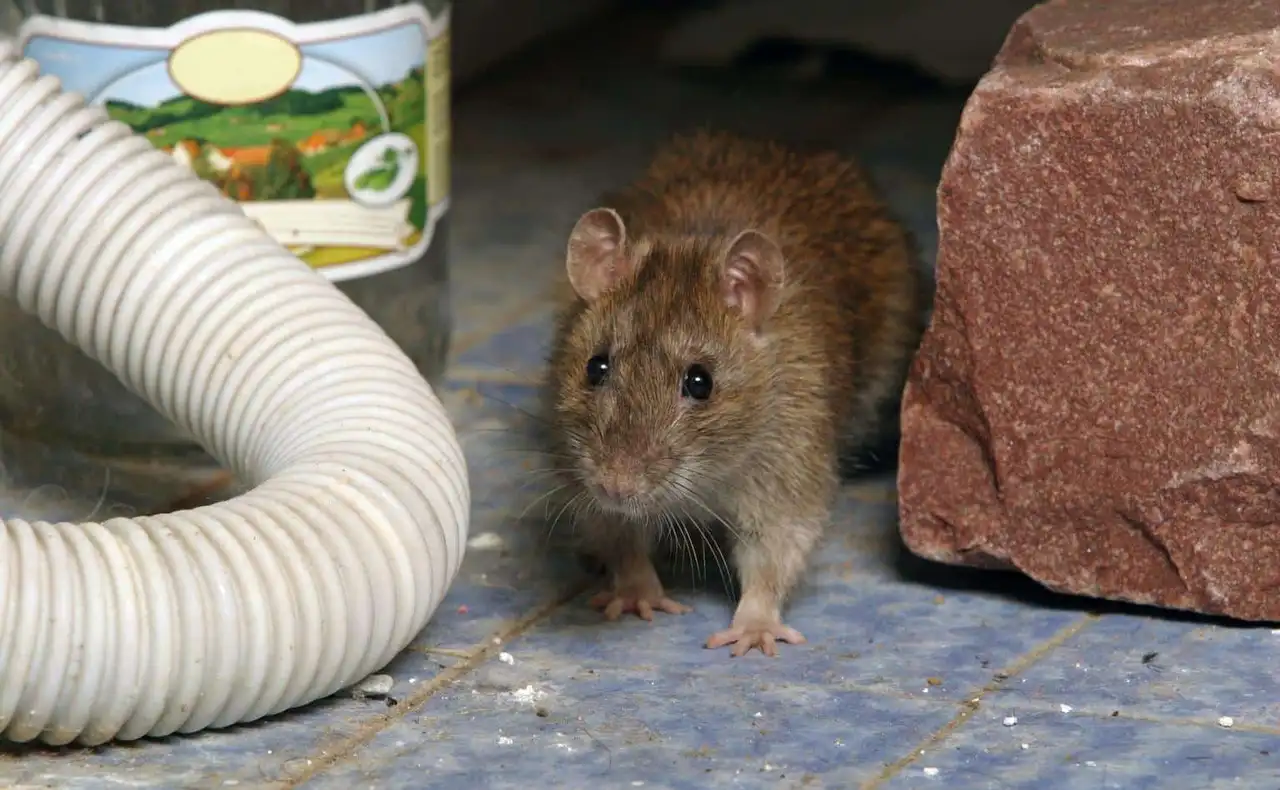
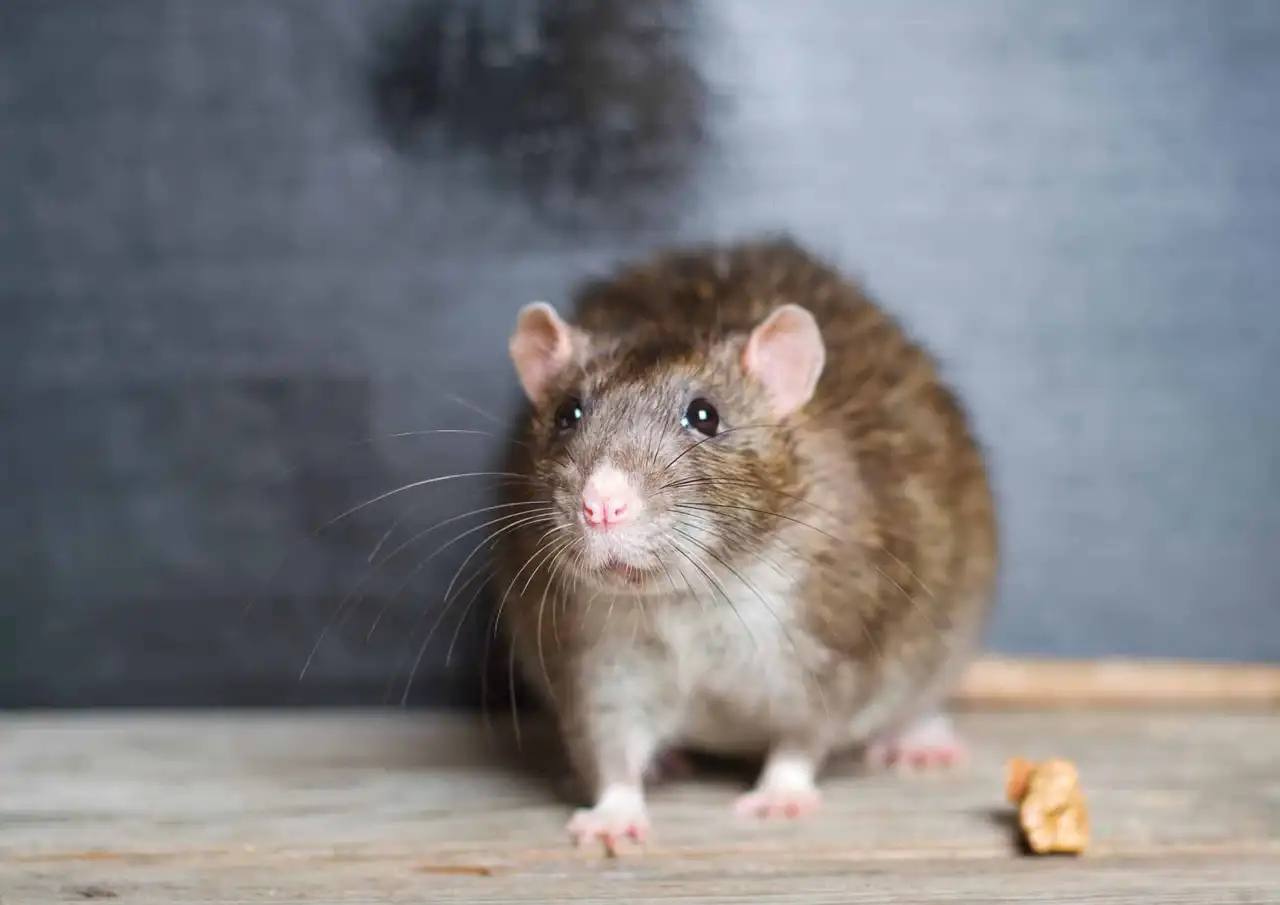
Inspection and Entry Mapping
We inspect from the foundation up: gaps under doors, utility penetrations, dryer vents, crawl space vents, sill plate gaps, and burrows along the foundation. Every opening gets photographed into your entry map. Norway rats can pass through a gap the size of a quarter, so the standard is tight.
The Trapping Program
High-quality snap traps on the mapped runways, checked and reset on a schedule, with counts logged so you can see the population curve fall to zero. It is not glamorous, but it is fast, humane by comparison with any alternative, and it leaves no carcasses rotting where you cannot reach them.
What New Jersey Allows (and What We Skip)
Rats are not protected in New Jersey, so the law is not the constraint here. Judgment is. We skip glue boards, and we do not lead with rodenticide. When bait has a place on a heavy infestation, it works outside the home only, in locked, tamper-resistant stations, and we say so and explain why, in writing.
Why Poison Backfires (and What Works Instead)
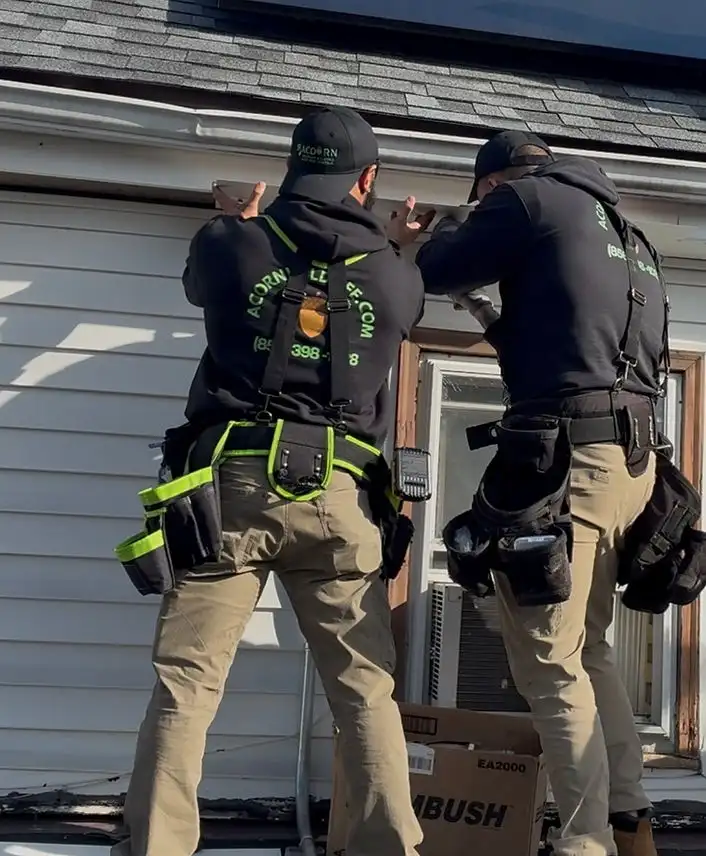
The dead-in-the-wall problem is not hypothetical. A meaningful share of our dead animal removal calls are the aftermath of someone else's bait program: a smell behind the kitchen wall, a cut-open cavity, a bill bigger than sealing would have cost. Secondary poisoning is real too. Researchers, including raptor programs in New Jersey, keep finding anticoagulant rodenticides in dead hawks and owls, the exact animals that would otherwise hunt your rats for free.
And the part the bait-box companies do not say out loud: a monthly bait contract needs your rat problem to continue. Acorn Wildlife's program is designed to end, with a sealed house and a zero-activity verification, which is why sealing is in every rat quote we write.
Sealing Rats Out for Good
Rats read a building the way water does: any gap, any low point, any soft material. Our sealing is steel wool and sealant in small penetrations, hardware cloth on vents, and metal flashing on gnawed corners, all of it covered by the Acorn Seal-Tight Warranty: if rodents get back in through a repair we made, we come back at no charge.
Foundation & Sill
Gaps at the sill plate, cracked vents, and utility penetrations are the rat front door. We seal them in materials rats cannot gnaw.
Crawl Space Vents
Rusted screens get hardware cloth replacements. Crawl spaces are where rat jobs are won or lost.
Exterior Habitat
Burrows, wood piles, and compost placement noted in your report. Sealing works better when the yard stops feeding the pressure.
The methods live on our wildlife exclusion page and the foundation and crawl space and vents entry-point pages. Basement activity? See wildlife in basements and crawl spaces.
Rat Control Near You
Rat FAQs
Rats or mice: how do I tell before you arrive?
Why not just put out poison? It's cheaper.
Are the rats dangerous to my family?
How long does it take to get to zero?
Do you handle rats at businesses?
Free · No obligation
Every Acorn Job Starts With a Free Inspection
Before we quote a dollar of work, a licensed technician walks the whole property — roofline, soffits, vents, chimney, the full foundation line, the attic or crawl space, the decks and the yard — and finds every opening an animal is using, plus the ones it would use next. It takes as long as it takes: often an hour, sometimes two. There is no charge for the visit.
✓ Free whether or not you hire us
✓ No call-out fee, no minimum, no signature on the day
✓ Every entry point photographed and shown to you
✓ A written quote priced off what was actually found
Ready to Be Rat-Free?
Free same-week inspection, no poison indoors, sealed and warrantied when it's done.