Seasonal
Can You Remove Bats From an Attic in New Jersey in July?
By Brandon Stein, NJDEP-Licensed Wildlife Control Operator · 5 min read
Short answer: Usually not. New Jersey Fish and Wildlife guidance restricts bat exclusion from May 15 through July 31 because flightless pups may still be in the roost. July is the time to inspect, confirm entry points, and plan, so exclusion can start in the August 1 through October 15 window.
If you've discovered bats in your attic during the summer, you're probably asking an important question: can bats be removed from an attic in New Jersey in July?
For homeowners needing Cherry Hill bat removal and throughout New Jersey, the answer is usually more complicated than many people expect. While finding bats in your home can be frustrating, July is generally not the time when full bat exclusion from an attic is performed. New Jersey has seasonal guidelines designed to protect bats during their maternity season, when young bats may still be unable to fly. According to New Jersey Fish & Wildlife guidance, bat exclusions from roosting areas are generally restricted from mid-May through July because flightless pups may be present.
Understanding why timing matters can help you avoid making the problem worse and ensure the issue is handled properly when conditions are right.
Why Are Bats in Attics During Summer?
Attics provide many of the conditions bats look for when raising their young.
A typical attic offers:
- Warm temperatures
- Protection from predators
- Shelter from storms
- Quiet, undisturbed spaces
In suburban communities like Cherry Hill, bats often enter through small gaps around rooflines, vents, soffits, chimneys, or siding. Once a colony finds a suitable roost, it may return year after year if entry points remain open.
During late spring and summer, female bats commonly gather in maternity colonies where they give birth and raise pups.
Can Bats Be Removed in July?
In most cases, full attic bat exclusion should not be performed during July in New Jersey.
New Jersey Fish & Wildlife guidance states that bat eviction or exclusion from roosting areas should not occur from May 15 through July 31 because young bats may still be present and unable to fly. Excluding the adults during this period can separate mothers from their young and create additional problems inside the structure.
That does not mean homeowners should ignore the situation.
A professional wildlife specialist can often:
- Inspect the property
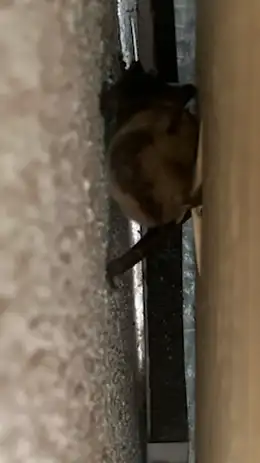
- Confirm bat activity
- Identify entry points
- Develop an exclusion plan
- Schedule removal work for the appropriate season
Taking action early can help ensure the work is ready to proceed when exclusion becomes appropriate.
Common Signs of Bats in an Attic
Many homeowners in Cherry Hill first notice subtle signs before they actually see a bat.
Common indicators include:
Noises After Sunset
Scratching, rustling, or light chirping sounds near the ceiling, attic, or walls often become more noticeable around dusk.
Bat Droppings
Bat guano may accumulate beneath entry points, attic rafters, or insulation.
Bats Flying Near the Roofline
You may see bats exiting the home around sunset as they leave to feed.
Staining Around Entry Points
Dark staining or rub marks can sometimes appear around frequently used access areas.
If you notice any of these signs, a professional inspection can help determine whether bats are actively roosting in the structure.
Why Timing Matters So Much
Bat removal is not simply a matter of sealing holes.
The timing of exclusion is critical because bats have different seasonal behaviors throughout the year. During summer, young bats depend on their mothers and may not yet be capable of flight. New Jersey's seasonal restrictions are intended to prevent harm to bat colonies while allowing property owners to address infestations effectively.
For many homes, August through mid-October is one of the primary periods when professional bat exclusion can be performed after young bats are capable of flying.
A qualified wildlife professional can evaluate your specific situation and determine the appropriate timing.
What Homeowners Should Avoid
When bats are discovered in an attic, homeowners sometimes try quick fixes that can create larger problems.
Avoid:
- Sealing entry holes without professional guidance
- Installing one-way exclusion devices during restricted periods
- Using poison or glue traps
- Attempting to capture attic colonies yourself
- Disturbing roosting bats
New Jersey guidance specifically notes that poisoning or physically removing bats from roosts is not an appropriate exclusion method. Professional exclusion focuses on humane, non-lethal techniques performed during the proper seasonal window.
What If a Bat Gets Into the Living Space?
A bat in an attic and a bat inside a living area are different situations.
If a bat enters an occupied portion of the home, homeowners should avoid direct contact and keep people and pets away from the animal. Situations involving possible human or pet exposure may require additional guidance from health officials or wildlife professionals.
A trained wildlife specialist can help determine the safest next steps.
How Acorn Wildlife Can Help
At Acorn Wildlife, we help homeowners throughout Cherry Hill and surrounding South Jersey communities address bat issues safely and responsibly.
Our services may include:
- Detailed bat inspections
- Identification of active entry points
- Seasonal exclusion planning
- Humane bat exclusion when permitted
- Entry point sealing and prevention recommendations
- Cleanup and restoration recommendations when needed
If bats are discovered during July, we can assess the situation, explain your options, and help prepare for exclusion when conditions allow.
Bat Issues in Cherry Hill Homes
Cherry Hill's mature neighborhoods, wooded areas, parks, and nearby waterways create excellent habitat for bats. Homes with aging rooflines, attic vents, soffits, and exterior gaps may be especially vulnerable to bat entry.
Because many bat colonies return to established roost sites, addressing entry points properly is an important part of long-term prevention.
Contact Acorn Wildlife for Bat Removal Help in Cherry Hill, NJ
If you've found bats in your attic and are unsure what to do next, Acorn Wildlife can help. Our team provides professional wildlife inspections and bat exclusion services for homeowners throughout Cherry Hill, NJ.
Contact Acorn Wildlife today to schedule an inspection and learn the safest, most effective approach for addressing bats in your attic.
Is it legal to remove bats from an attic in New Jersey during July?
In most situations, attic bat exclusion is not performed during July because young bats may still be present. New Jersey Fish & Wildlife has seasonal guidelines that restrict exclusion during the maternity period.
Why are bats attracted to attics?
Attics provide warmth, shelter, and protection from predators, making them attractive roosting locations for maternity colonies.
When is the best time for bat exclusion in New Jersey?
According to New Jersey Fish & Wildlife guidance, one of the primary exclusion periods is from August 1 through October 15. Specific situations can vary and should be evaluated by a professional.
Can I seal the holes where bats are entering?
Homeowners should avoid sealing active bat entry points without professional guidance. Improper sealing can trap bats inside a structure and create additional problems.
How do I know if bats are living in my attic?
Common signs include droppings, noises near dusk, staining around entry points, and observing bats flying from the home around sunset.
Do bats return to the same attic every year?
Many bat colonies are known to return to established roost sites when access points remain available, which is why proper exclusion and sealing are important parts of long-term prevention.
Related: Bat Removal in South Jersey · South Jersey Bat Removal: April Is the Last Chance Before the Blackout Period · Do Bat Houses Help Solve Bat Infestations?