Seasonal
Why Squirrels Get Into NJ Homes Before Fall
By Brandon Stein, NJDEP-Licensed Wildlife Control Operator · 5 min read
Short answer: Squirrels start testing homes in late summer, well before cold weather. Young squirrels are moving independently, food sources are shifting, and squirrels are lining up shelter for winter. Small gaps at rooflines, soffits, and vents give them a starting point, so the best time to seal entry points is before fall.
If you hear scratching, scurrying, or chewing sounds above the ceiling before fall arrives, you may be dealing with more than a passing squirrel on the roof. In Cherry Hill and throughout South Jersey, squirrels often begin investigating homes well before colder weather sets in.
Many homeowners think squirrel problems only happen in winter, when animals are looking for warmth. But late summer and early fall can be an important transition period. Squirrels are active, young squirrels are moving around more independently, food sources are changing, and homes with small openings can become attractive shelter.
For Cherry Hill homeowners, the best time to deal with squirrel entry points is before the problem becomes a full attic infestation.
Why Squirrels Start Targeting Homes Before Fall
Squirrels are active throughout the year, but their behavior changes as the seasons shift. Before fall, squirrels are preparing for colder months by locating food, exploring shelter, and establishing safe places to nest or rest.
In suburban areas like Cherry Hill, homes often sit near mature trees, wooded edges, parks, and landscaped yards. That gives squirrels easy access to roofs, gutters, soffits, vents, and attic spaces.
A squirrel does not need a large opening to start investigating a home. Small gaps around a roofline, damaged fascia, loose vents, or weakened soffits can give squirrels a starting point. Once they find a vulnerable area, they may chew, push, or widen the opening to get inside.
Cherry Hill Homes Offer Easy Access Points
Squirrels are excellent climbers. In many Cherry Hill neighborhoods, tree branches, utility lines, fences, and nearby structures give squirrels an easy route onto a roof.
Once on the roof, they may inspect areas such as:
- Roof returns
- Soffit gaps
- Fascia boards
- Gable vents
- Attic fans
- Chimney openings
- Loose siding
- Gutter lines
- Dormers and roof intersections
Older homes, homes with mature trees, and homes with previous roof or soffit damage may be especially vulnerable. Even newer homes can develop small gaps after storms, wind, water damage, or normal wear.
The issue is not just that squirrels can get onto the roof. The bigger problem is that they can chew. If they find a soft, damaged, or exposed area, they may enlarge it enough to enter the attic.
Late Summer Young Can Increase Activity
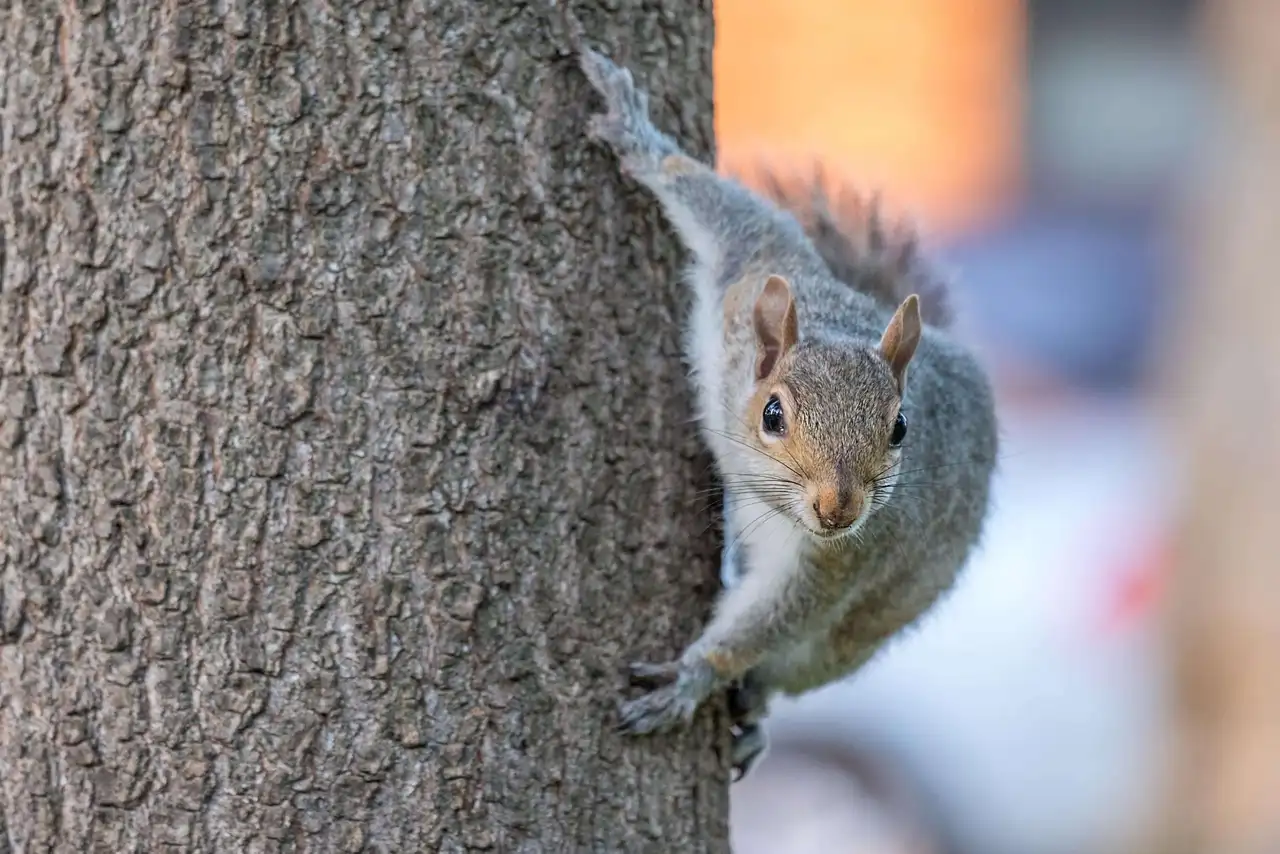
Eastern gray squirrels, one of the most common squirrel species in New Jersey, may have young during more than one part of the year. Young squirrels born in midsummer become more active as they grow, explore, and begin moving independently.
That can make late summer and early fall feel like a sudden increase in squirrel activity around homes. Homeowners may notice more movement on the roof, more chewing near trim or vents, or more noise in the attic.
This does not always mean a full infestation is already established. Sometimes it means squirrels have found a weak spot and are testing access. That is exactly when an inspection can be valuable.
Attics Provide Shelter Before Cold Weather Hits
Squirrels do not wait for freezing temperatures to look for shelter. An attic can be attractive before fall because it is elevated, dry, protected from predators, and close to food sources.
To a squirrel, an attic may offer:
- Protection from rain and storms
- A quiet nesting location
- Insulation that can be shredded for nesting material
- Warmth during cooler nights
- Safety from predators
- Easy access to nearby trees and food
Once squirrels become comfortable using an attic, they may return repeatedly. Over time, the damage can become more serious.
Signs Squirrels May Be Getting Into Your Home
Squirrels are usually most active during the day, especially in the morning and late afternoon. That can help distinguish them from nocturnal animals such as mice, rats, raccoons, or flying squirrels.
Common signs of squirrels in a Cherry Hill home include:
- Scratching or scurrying in the attic during daylight hours
- Chewing sounds near the roofline
- Noises that seem to move quickly across the ceiling
- Squirrels repeatedly running along the same roof area
- Visible holes near soffits, fascia, vents, or roof returns
- Chewed wood, trim, or vent covers
- Nesting material in the attic
- Droppings or urine odor
- Damaged insulation
- Acorns, nuts, or debris stored in attic spaces
If the noise is mostly at night, another animal may be involved. A professional inspection can help identify the species and the entry points before repairs are made.
Why Squirrel Problems Should Not Be Ignored
A squirrel in the attic is not just a noise problem. Squirrels can cause damage as they move, nest, and chew.
Potential issues include:
- Torn or displaced insulation
- Chewed wood or trim
- Damage around vents and soffits
- Contamination from droppings and urine
- Odors in attic spaces
- Chewed wiring
- Repeated entry if openings are not sealed properly
The longer squirrels have access, the more comfortable they can become. A small entry point can become a larger repair issue if it is not addressed early.
What Homeowners Should Avoid Doing
If you suspect squirrels are getting into your home, avoid rushing to seal the hole immediately. Sealing an opening without confirming whether animals are inside can trap squirrels in the attic or separate young from adults.
Homeowners should also avoid:
- Blocking an entry point without an inspection
- Handling squirrels directly
- Reaching into nests or enclosed spaces
- Using poison
- Relying on repellents as the main solution
- Attempting risky roof work
- Ignoring chewing or scratching sounds
- Assuming the animal has left because the attic is quiet for a day
Squirrel control is most effective when removal and exclusion are handled together. The animal must be addressed, the entry points must be identified, and the structure must be repaired or reinforced to help prevent re-entry.
Why Fall Prevention Starts Before Fall
By the time cold weather arrives, squirrels may already know which homes have weak points. That is why late summer and early fall are important times for prevention.
For Cherry Hill homeowners, a pre-fall inspection can help identify problems such as:
- Loose or damaged vent screens
- Gaps at roof intersections
- Soft or rotting fascia boards
- Open chimney access
- Unprotected attic vents
- Tree limbs touching or overhanging the roof
- Old squirrel entry points that were never reinforced
- Storm-related roofline damage
Addressing these vulnerabilities before fall can reduce the chance of squirrels moving in as temperatures drop.
How Acorn Wildlife Can Help
Acorn Wildlife helps Cherry Hill and South Jersey homeowners identify, remove, and prevent squirrel problems with a professional wildlife control approach.
A squirrel service may include:
- Inspection of attic spaces and roofline areas
- Identification of active and potential entry points
- Determination of whether squirrels or young are present
- Humane removal strategy when needed
- Exclusion repairs to help prevent re-entry
- Recommendations for trimming, maintenance, or structural improvements
- Cleanup guidance if insulation or attic areas have been contaminated
The goal is not just to get the squirrel out. The goal is to understand how it got in, correct the access points, and reduce the likelihood of the problem returning.
Schedule a Squirrel Inspection Before Fall
If you are hearing scratching in the attic or seeing squirrels repeatedly access your roof, do not wait until colder weather makes the problem worse.
Acorn Wildlife provides professional squirrel removal, exclusion, and prevention services for homeowners in Cherry Hill, NJ and surrounding South Jersey communities. Contact Acorn Wildlife to schedule an inspection and protect your home before fall squirrel activity increases.
Related: Squirrel Removal in South Jersey · Squirrels in the Attic in New Jersey: Signs, Risks, and What to Do · How Wildlife Gets Into NJ Homes: Roofline, Soffit, Vent, and Chimney Entry Points