Identification
How Wildlife Gets Into NJ Homes: Roofline, Soffit, Vent, and Chimney Entry Points
By Brandon Stein, NJDEP-Licensed Wildlife Control Operator · 6 min read
Short answer: Almost every wildlife call traces back to four entry points: roofline gaps, soffit openings, unscreened vents, and uncapped chimneys. Animals rarely force their way into a sealed home. They find an existing weakness and exploit it, which is why fixing the access points matters as much as removing the animal.
Why Wildlife Looks for Openings Around the Home
Most wildlife entry starts with opportunity. Animals are not always forcing their way into a perfectly sealed structure. More often, they find an existing weakness and take advantage of it.
In Cherry Hill and the surrounding South Jersey area, homes may be vulnerable because of mature trees, older rooflines, storm damage, loose trim, aging vents, or gaps that develop over time. Suburban neighborhoods also create easy travel routes. Squirrels can move from trees to roofs, raccoons can climb siding and downspouts, and birds or bats may locate small gaps near vents or upper trim.
Once an animal finds shelter, the problem can grow. Some species may widen an opening. Others may use the same access point repeatedly. If nesting material, droppings, odor, or insulation damage develops inside, the issue becomes more than an exterior repair.
Roofline Gaps
The roofline is one of the most common places for wildlife to investigate. This includes the areas where shingles, fascia, soffits, dormers, gutters, and trim meet.
Small gaps can form where materials shift, rot, loosen, or pull away from one another. Storms, clogged gutters, water damage, and normal aging can all make these areas easier for wildlife to access.
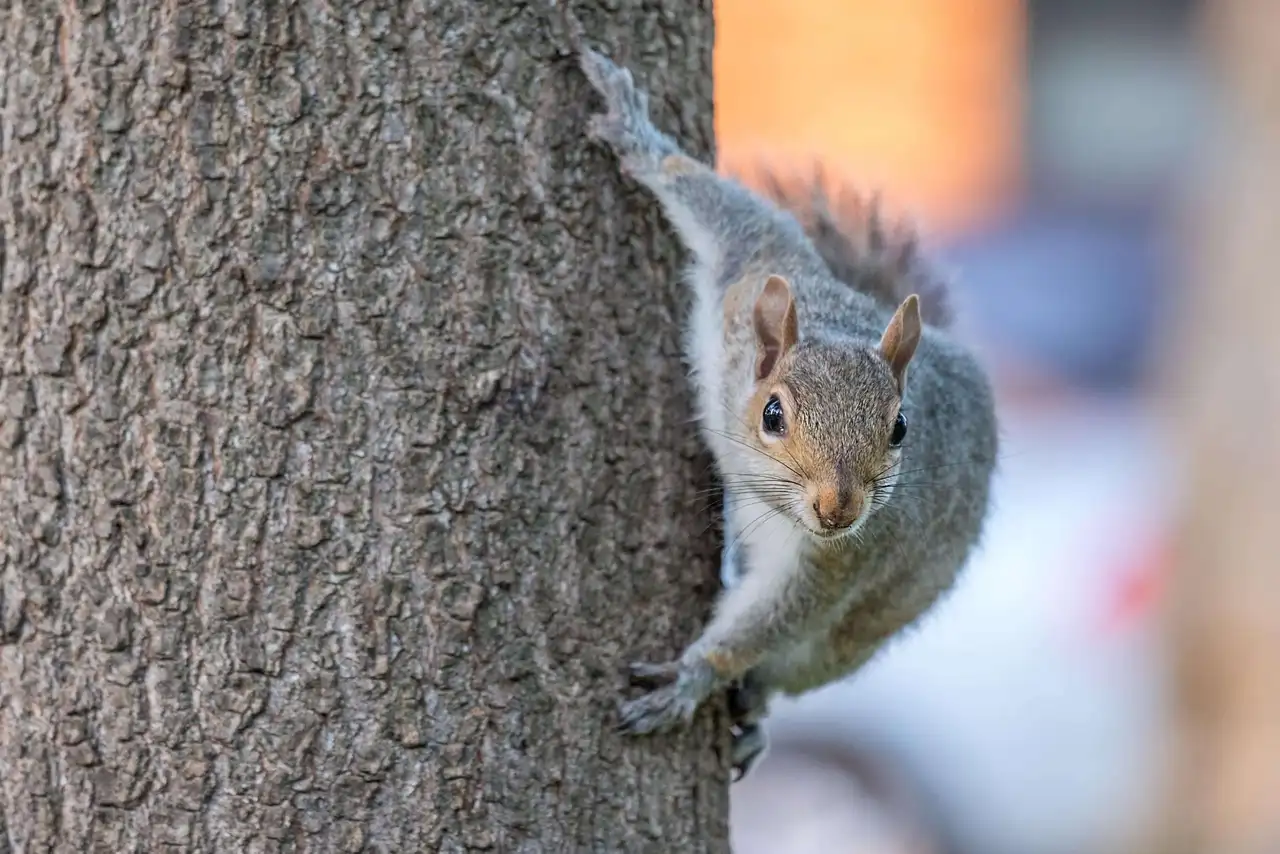
Squirrels are especially known for inspecting roof edges and chewing around vulnerable spots. Raccoons may use their strength and dexterity to pull at loose materials. Birds may nest in openings that provide shelter. Bats may use very small gaps around upper trim or roof intersections.
Common signs of roofline entry include repeated animal activity in one area, chewing marks, lifted trim, staining near a gap, scratching sounds above the ceiling, or visible nesting material.
Soffit Openings
Soffits are located under the edge of the roof overhang. They help protect the home and support attic ventilation, but they can become a weak point when panels loosen, vents break, or wood deteriorates.
A damaged soffit can provide a direct path into the attic. This is especially common when the soffit is near a tree limb, gutter, porch roof, or other climbing route.
Homeowners may notice a soffit problem after hearing noises near the edge of the ceiling or seeing animals disappear under the roof overhang. Sometimes the opening is obvious from the ground. Other times, the gap is hidden behind the gutter line or tucked into a corner where the roof changes direction.
A soffit entry point should be inspected carefully before repairs are made. If wildlife is still inside, closing the opening too soon can create additional problems.
Attic and Gable Vents
Vents are necessary for airflow, but they can also become wildlife entry points when screens are missing, loose, damaged, or made from materials that animals can bend or chew.
Gable vents, ridge vents, attic fans, and roof vents can all attract wildlife if they offer access to a sheltered attic space. Birds may nest behind broken vent covers. Squirrels may chew around vent frames. Bats may use small gaps near louvers or edges.
In many cases, the vent itself does not need to be removed. The problem is that it needs proper screening or reinforcement that still allows ventilation. Blocking airflow can create moisture and temperature issues, so vent exclusion should be handled with the structure of the home in mind.
Chimneys
Chimneys are another common access point, especially when they do not have a properly fitted cap or when the cap is damaged. Raccoons, birds, squirrels, and bats may all investigate chimney openings.
A chimney can look like a protected hollow space to wildlife. In some cases, animals may enter the flue. In others, they may use gaps around the chimney chase, flashing, or surrounding roofline.
Signs of a chimney wildlife issue may include scratching, fluttering, vocal sounds, odor, nesting debris, or animals seen entering and exiting near the chimney. Homeowners should avoid reaching into the fireplace, flue, or damper area if they suspect an animal is present.
Chimney issues should be handled carefully because different animals require different responses. Birds, bats, raccoons, and squirrels may each involve different safety concerns and timing considerations.
Small Gaps Around Siding, Trim, and Utility Openings
Not every wildlife entry point is large or easy to see. Some animals use small construction gaps around siding, trim, utility penetrations, cable lines, plumbing vents, or roof intersections.
Bats can use very narrow gaps. Mice and other small rodents may enter through openings that look minor to a homeowner. Squirrels and raccoons may start with a small weakness and enlarge it.
This is why a professional inspection should look beyond the most obvious hole. If one opening is repaired but nearby gaps are left unaddressed, wildlife may continue to get inside.
Why Season Matters in New Jersey
Wildlife pressure changes throughout the year in New Jersey. Spring can bring nesting and young animals. Summer may involve bats, birds, and active juvenile wildlife. Late summer and fall often bring increased shelter-seeking as animals prepare for cooler weather. Winter can make attics, chimneys, crawl spaces, and wall voids more attractive.
For Cherry Hill homeowners, this means an entry point can become active at different times of year. A loose soffit in June, a damaged vent in August, or an uncapped chimney in October can all invite different wildlife concerns.
Timing also matters because some species may have young present or may require specific handling. Bats, in particular, require careful attention because exclusion timing can be sensitive and direct contact should be avoided. When there is uncertainty, the safest next step is to schedule an inspection rather than attempting removal or sealing on your own.
Signs Wildlife May Be Getting Into Your Home
Wildlife entry is not always obvious at first. Many homeowners notice sounds before they see damage.
Common warning signs include scratching in the attic, scurrying across the ceiling, thumping near the roofline, droppings, urine odor, damaged insulation, chewed trim, nesting debris, loose vent covers, or animals repeatedly visiting the same part of the roof.
The timing of the noise can provide clues. Squirrels are often active during the day, while some other animals are more active at night. Bats may be noticed around dusk as they leave a structure. Birds may be heard fluttering or chirping near vents or chimneys.
These signs can help narrow down the likely animal, but they do not replace a professional inspection. Different species can use the same entry point, and more than one opening may be present.
What Homeowners Should Avoid Doing
If you suspect wildlife is entering your home, avoid sealing the opening right away. Closing a gap while animals are still inside can trap wildlife in the structure, increase damage, or cause animals to move into living spaces.
Homeowners should also avoid handling wildlife, using poison, placing traps without understanding the species involved, disturbing nests, or climbing onto steep roofs without proper equipment. Droppings and nesting materials should also be handled carefully because cleanup can involve health and safety considerations.
Repellents, lights, and noise devices rarely solve the underlying issue when an animal has already found a reliable entry point. Long-term prevention depends on identifying the access points and installing appropriate exclusion repairs.
When to Call a Professional
Call a wildlife professional if you hear attic noises, see animals entering a roofline opening, notice damage near vents or soffits, smell odor from an enclosed area, or find droppings in the attic.
You should also call for help if the opening is high on the home, if a chimney is involved, if bats may be present, or if you are unsure whether animals are still inside.
A professional inspection can determine the likely species, locate active and potential entry points, assess damage, and recommend a plan for removal, exclusion, and prevention.
How Acorn Wildlife Can Help Cherry Hill Homeowners
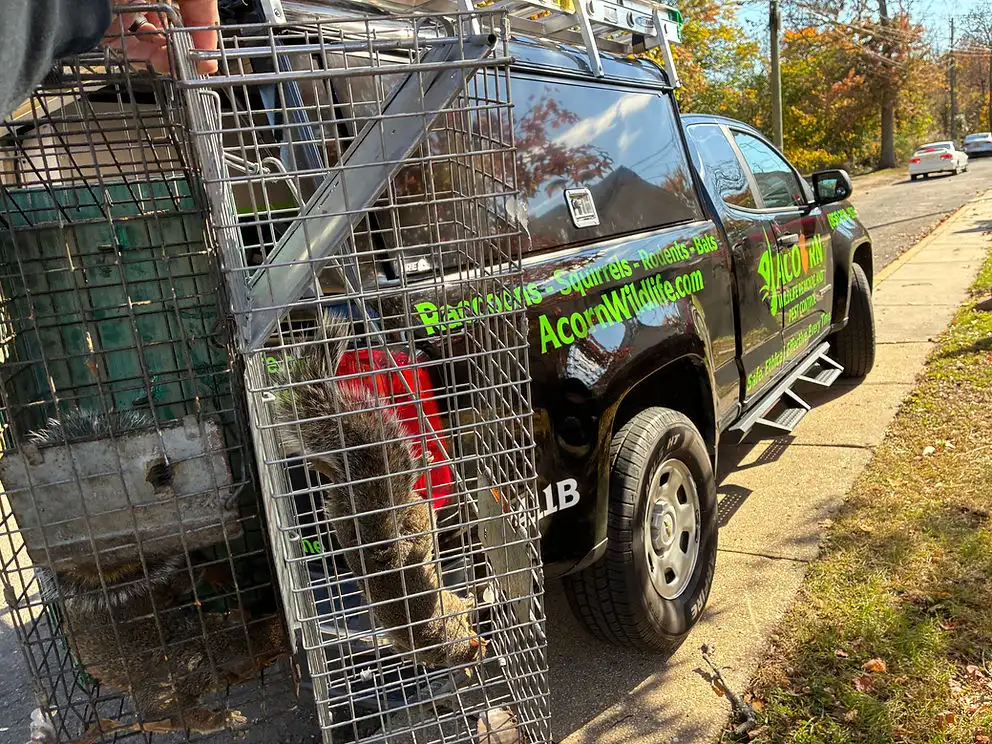
Acorn Wildlife helps homeowners in Cherry Hill, NJ identify how wildlife is getting into their homes and what should be done to prevent future entry.
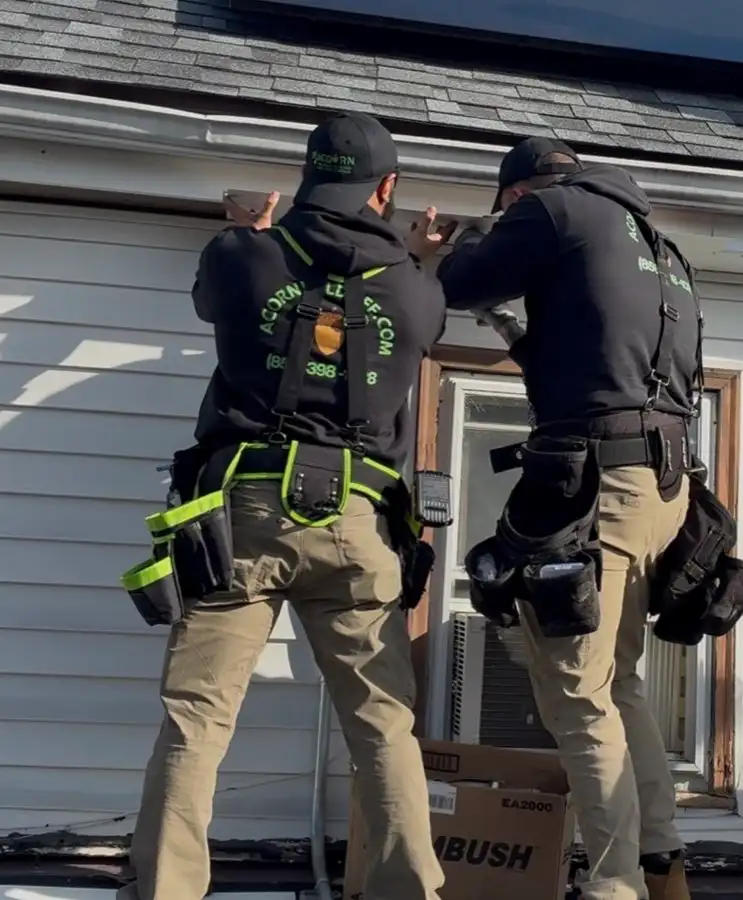
A professional service may include inspection of the roofline, soffits, vents, chimney, attic, and other vulnerable areas. The team can look for signs of active wildlife, identify entry points, recommend appropriate exclusion repairs, and provide guidance on cleanup or prevention when needed.
The goal is to address both the animal issue and the access problem. Wildlife removal without entry point correction can lead to repeat problems. Exclusion work without confirming the animal is gone can create avoidable complications.
Protect Your Cherry Hill Home From Wildlife Entry
If you are hearing scratching in the attic, seeing damage around the roofline, or noticing animals near vents or chimneys, do not wait for the problem to spread.
Contact Acorn Wildlife for professional wildlife inspection, removal, and exclusion services in Cherry Hill, NJ. A careful inspection can help identify how animals are getting in and what steps are needed to protect your home.
Related: Wildlife Removal in South Jersey · Squirrels in the Attic in New Jersey: Signs, Risks, and What to Do · Common Winter Wildlife Problems in South Jersey Homes (December Guide)