Identification
Chewed Wires in the Attic: Which Animal Did It?
By Brandon Stein, NJDEP-Licensed Wildlife Control Operator · 7 min read
Short answer: Read the groove width. Fine, shallow etching like scratch marks means mice. Coarse paired grooves about 1/8 inch wide mean rats. Broad, clean gouges that strip insulation down to shining copper mean squirrels, the most common wire-chewer in South Jersey attics. Raccoons tear and pull wires but rarely gnaw them.
Finding chewed wiring in your attic is the moment a wildlife problem stops being about noise and starts being about your house. Every animal that gnaws leaves tooth marks sized to its incisors, which means the wire itself will tell you what you have, if you know how to read it. Acorn Wildlife in Cherry Hill, NJ finds chewed wiring on a large share of our attic inspections, so here is the field guide our own techs use, plus an honest take on the fire-risk question everyone asks.
Why do animals chew wires at all?
Rodent incisors never stop growing, so mice, rats, and squirrels must gnaw constantly to keep them worn down and sharp. Wires are not food; they are conveniently placed, slightly springy gnawing material strung at exactly the height a rodent travels. Chewing is maintenance for the animal and pure collateral damage for you.
That is also why chewed wires are such a reliable sign of residency rather than a passing visit. An animal that gnawed your wiring has spent real time in the attic, and it will keep gnawing as long as it lives there. The chewing does not stop until the animal leaves, which is why the fix is always removal and exclusion first, electrical repair second. Repairing wiring while the chewer is still in residence is paying twice.
How do I tell which animal chewed the wire?
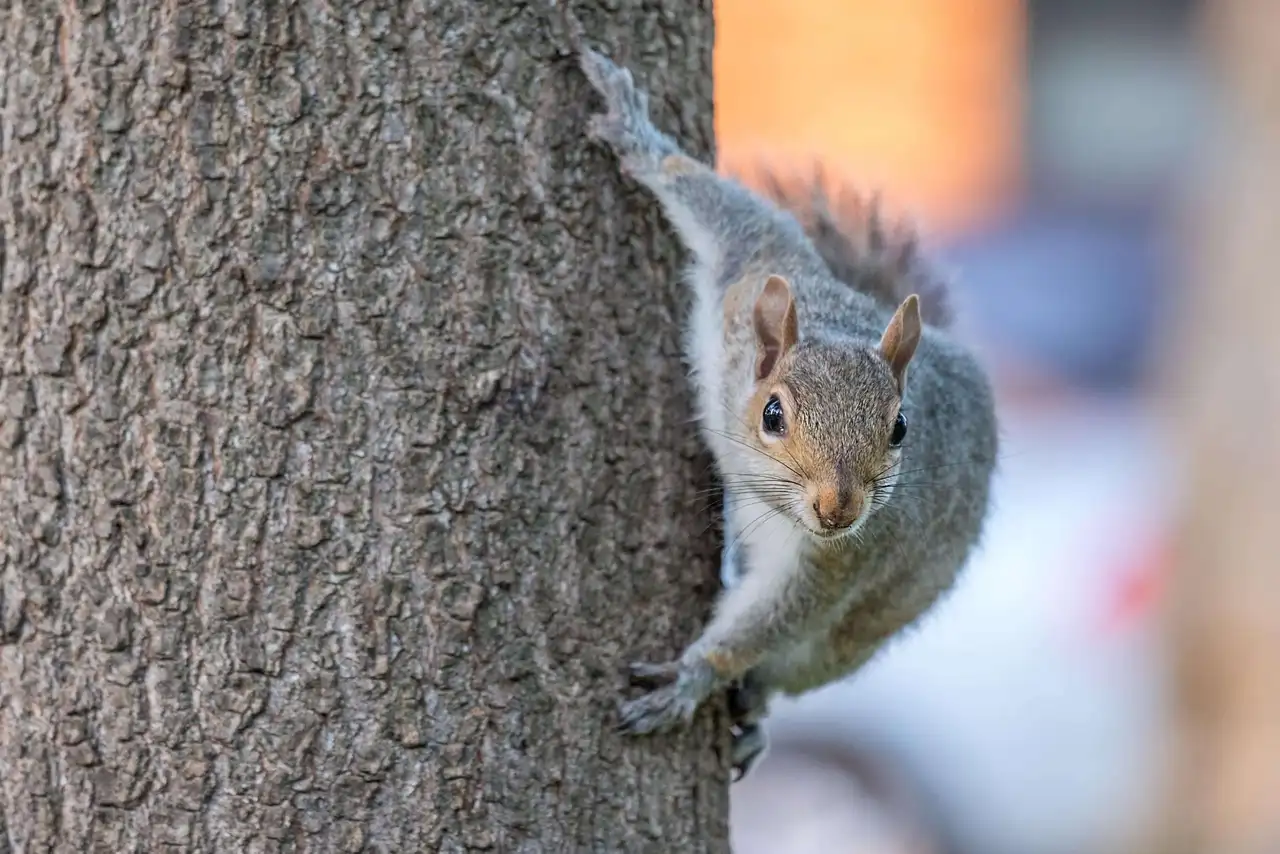
Match the tooth marks to the animal's size. Mice leave fine, shallow, scratchy etching, often just nicking the insulation. Rats leave coarse, distinctly paired grooves and can sever a cable. Squirrels leave broad, confident gouges and strip whole sections of sheathing to bare copper, often in daylight-adjacent areas near the roofline.
| Evidence on the wire | Groove character | Likely animal | Supporting signs nearby |
|---|---|---|---|
| Shallow nicks and etching, insulation barely opened | Hairline, scratchy | House mouse | Tiny droppings (1/4 in, pointed), runs along sill plates |
| Deep paired grooves ~1/8 in, cable may be severed | Coarse, ragged | Norway rat | Capsule droppings, grease rubs, gnawed wood or pipe insulation |
| Sheathing stripped in sections, bright copper exposed | Broad, clean gouges | Gray squirrel | Nut shells, dawn/dusk noise, chewed roofline entry hole |
| Same as squirrel but near a corner latrine, night noise | Broad, clean | Flying squirrels | Concentrated droppings pile, colony activity after dark |
| Wires pulled loose, junction boxes disturbed, no tooth marks | Torn, not gnawed | Raccoon | Flattened insulation, latrine, heavy night thumping |
How serious is the fire risk, honestly?
Serious enough to act on, but we will not invent a statistic to scare you. Exposed copper from stripped sheathing can arc against wood, metal, or blown insulation, and rodent damage to wiring is a recognized ignition source in residential fires that fire investigators specifically look for. What we can tell you from our own inspections is that stripped-to-copper sections near dry insulation are common in long-occupied attics, and that no electrician who sees one calls it fine.
A sensible risk triage: bare copper visible anywhere means call an electrician promptly, and consider flipping the breaker for that circuit until it is inspected. Gnawing on sheathing without exposed conductor is urgent-ish: fix the animal problem now and have the wiring checked at the same time. Etched insulation from mice is the mildest tier but still a sign the population needs to go. And one non-negotiable from us: never run a bait-poison program in an attic with wiring damage, because a poisoned rodent's last act is often to crawl into exactly the kind of wall or ceiling void you cannot reach.
Could it be something other than an animal?
Occasionally. Old cloth-sheathed wiring from pre-1960s homes (plenty of those in Collingswood, Haddonfield, and Riverton) cracks and sheds insulation on its own, which panicked homeowners sometimes read as chewing. Heat and age damage looks brittle and crumbly, with no directional tooth grooves. True gnawing has structure: parallel grooves, clean edges, and debris below, a little pile of insulation crumbs on the drywall or joist under the chew site. Check for that debris pile; it is the difference between calling us and calling only an electrician.
Also worth ruling in or out: if the damage sits within a few feet of a chewed entry hole, nest material, or droppings, the case closes itself. Wire damage never happens in isolation. An attic with a chewer in it will show you at least two other kinds of evidence within arm's reach of the wire.
What should you do in the next 48 hours?
- Photograph the damage close-up, plus a wide shot showing where in the attic it is. Do not touch exposed copper.
- If bare conductor is visible, turn off that circuit at the panel until an electrician looks at it.
- Identify the chewer using the tooth-mark table and any droppings or noise-timing evidence.
- Get the animals removed and every entry point sealed. This is the step that actually stops the chewing.
- Have an electrician inspect and repair after the attic is animal-free, so repaired wiring stays repaired.
The order matters. We coordinate with homeowners' electricians on a regular basis, and the sequence that works is wildlife out, holes sealed, then wiring repaired, then insulation addressed. Squirrels are the chewer in the majority of the wire-damage attics we open in Camden and Burlington counties, so most of these jobs become a one-way door exclusion plus sealing, the standard process described on our squirrel removal in South Jersey page. Rats and mice instead get trapping programs with follow-ups. Either way, the wire is the symptom. The open hole in your exterior is the disease.
Will my homeowners insurance cover rodent wire damage?
Usually not the animal damage itself: most policies exclude damage from rodents and vermin as a maintenance issue. Fire damage that results is generally covered, which is a strange incentive structure, but it means prevention is on your dime and worth doing early. Details vary by policy; ask your agent.
Do squirrels really chew wires more than rats do?
In South Jersey attics, yes, simply because squirrels are the most common attic occupant here and their size lets them strip cable efficiently. In basements and crawlspaces the ranking flips toward rats and mice.
Can you tell how old the damage is?
Roughly. Bright, shiny copper and fresh debris below the wire means recent, active chewing. Dull, oxidized copper with dusty debris suggests older damage, though the animal may still be present and chewing elsewhere. An inspection settles it. Call or Text (856) 398-1028.
Should I check my attic for wire damage even without hearing noise?
A once-a-year look is worth it, especially in older homes. Plenty of chewing happens during occupancies that ended before you moved in, and inherited damage is still live damage if conductor is exposed. Pick a mild day, bring a bright light, and walk the visible cable runs along the joists and near the eaves, plus the area around the attic hatch and any junction boxes. You are looking for stripped sheathing, little debris piles under cables, and droppings within reach of the runs; five minutes covers most attics. Pair the wire check with a quick outside scan of gable vents and roofline gaps, because the visit that finds old damage usually finds the old entry point too, and sealing it while the attic is vacant is the cheapest exclusion job you will ever buy. If anything looks chewed, photograph it for the electrician before touching it.
Related: Squirrel Removal in South Jersey · Squirrels in the Attic in New Jersey: Signs, Risks, and What to Do · Rodent-Proofing a House: Real Price Ranges