Seasonal
How Snowfall Drives Nuisance Wildlife Activity
By Brandon Stein, NJDEP-Licensed Wildlife Control Operator · 2 min read
Short answer: Snow changes an animal's world overnight. It hides natural food, slows movement, and pushes wildlife toward warm, protected spaces like attics, crawlspaces, sheds, and chimneys. That is why snowfall often triggers a spike in nuisance wildlife activity around homes, and why sealed entry points matter most in winter.
When snow blankets the ground, it doesn't just change our commute and curb appeal. It also reshapes how wildlife moves, feeds, and survives. For homeowners and businesses, these seasonal shifts can mean a spike in nuisance wildlife activity as animals adapt to frozen landscapes and limited food sources. Understanding why this happens can help you prevent problems before they start.
Why Snowfall Changes Wildlife Behavior
Snow alters an animal's world overnight. Ground cover hides natural food, slows movement, and pushes wildlife to conserve energy. As a result, many species adjust by:
- Seeking shelter in warmer, protected spaces like attics, crawlspaces, sheds, and chimneys
- Following cleared paths such as driveways, sidewalks, and plowed lots where movement is easier
- Targeting human food sources including trash, pet food, bird feeders, and compost
These survival strategies are smart for animals, but they often put them in direct conflict with people.
Common Nuisance Wildlife After Snowfall
Rodents (Mice & Rats)
Snow drives rodents indoors fast. Small gaps that were ignored all year suddenly become prime entry points. Once inside, rodents can damage insulation, chew wiring, contaminate food, and reproduce quickly.
Raccoons
Raccoons remain active throughout winter and will take advantage of snowy conditions by denning in attics, chimneys, or abandoned structures. Snow also makes their tracks easier to spot around roofs and entry points.
Skunks
Skunks become a frequent winter complaint when snowfall limits their access to insects. They often forage under decks, sheds, and porches, sometimes digging through snow to reach grubs or using structures for temporary shelter.
Squirrels
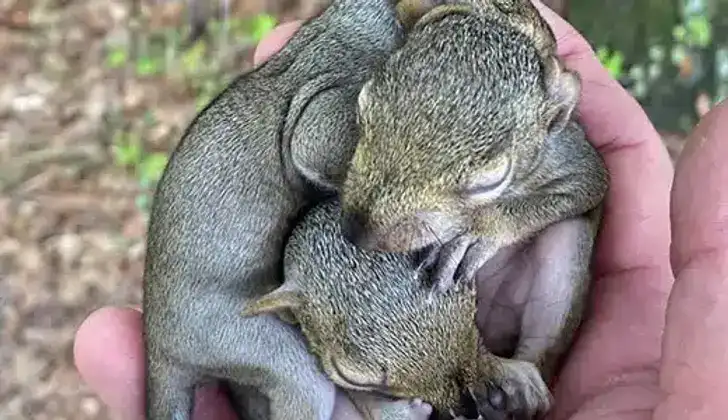
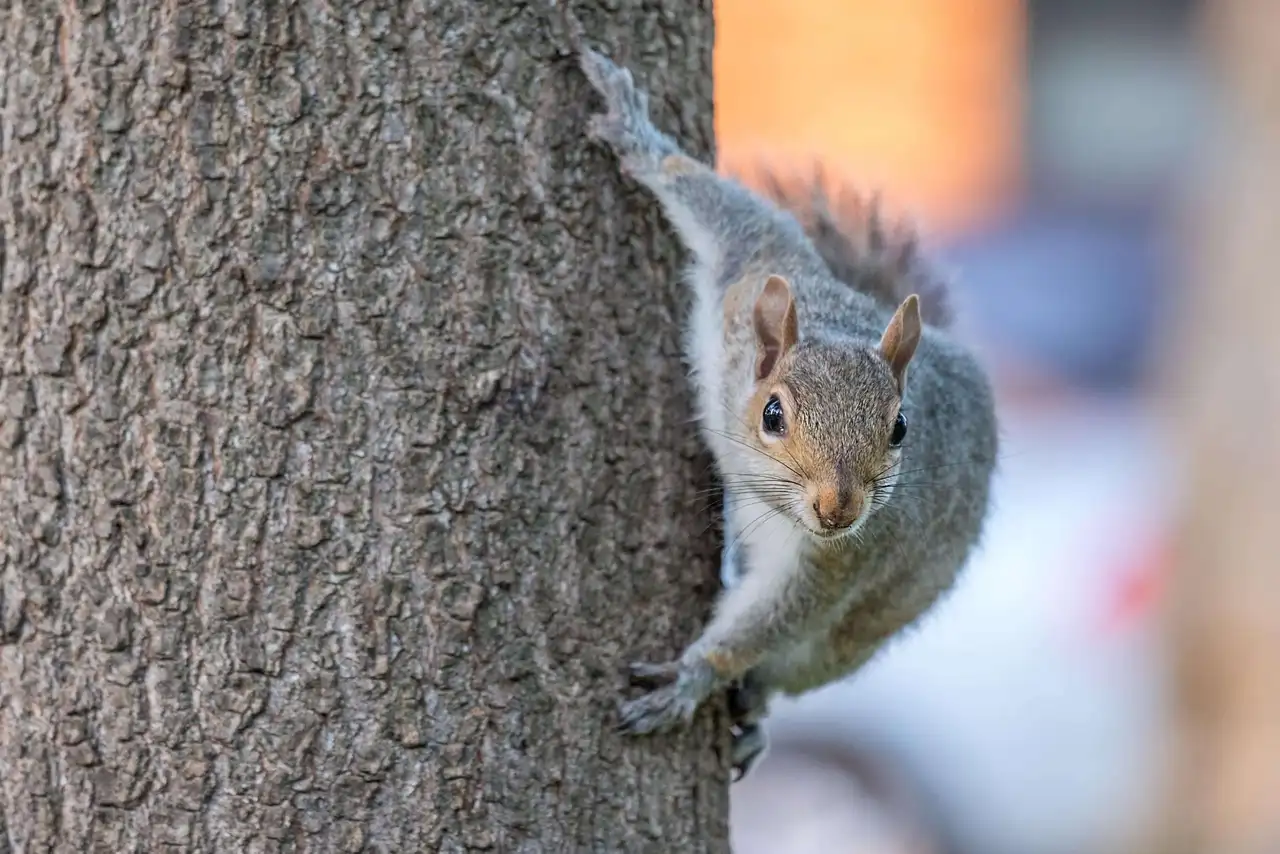
Tree squirrels don't hibernate, and snow reduces their access to cached food. This increases attempts to enter attics, soffits, and wall voids where warmth and safety are guaranteed.
Deer and Larger Wildlife
Deep snow concentrates deer movement along plowed roads and residential areas where footing is easier and food is accessible. This can increase property damage and vehicle collisions.
Signs of Snow-Related Wildlife Problems
Snow actually makes nuisance wildlife easier to detect. Watch for:
- Tracks leading to foundations, vents, or rooflines
- Burrows or disturbed snow near decks and sheds
- Noises in walls or ceilings during cold nights
- Tipped trash cans or missing pet food
Early detection can prevent minor issues from becoming major infestations.
How to Prevent Winter Wildlife Issues
A little preparation goes a long way during snowy months:
- Seal entry points before winter, paying attention to vents, eaves, and foundation gaps
- Secure food sources by locking trash bins and bringing pet food indoors
- Trim branches away from roofs to limit access for squirrels and raccoons
- Inspect attics and crawlspaces after heavy snowfall for signs of entry
Avoid DIY trapping or exclusion during extreme cold, as improper methods can cause animals to die inside structures, creating odor and sanitation problems.
When to Call a Professional
Snow-related wildlife issues often require humane, strategic solutions that protect both your property and the animals involved. Professionals understand seasonal behavior patterns and can safely remove animals, prevent re-entry, and address damage caused during winter intrusion.
Snowfall is beautiful, but it's also a trigger for nuisance wildlife activity. Staying informed and proactive helps keep your home protected all winter long while allowing wildlife to survive safely outdoors.
Related: Wildlife Removal in South Jersey · Common Winter Wildlife Problems in South Jersey Homes (December Guide) · Late Winter Wildlife Behavior in South Jersey