Species Guides
Raccoons in New Jersey: The Complete Homeowner's Guide
By Brandon Stein, NJDEP-Licensed Wildlife Control Operator · 9 min read
Short answer: Raccoons are South Jersey's heaviest attic invader: 15 to 25 pounds, nocturnal, strong enough to pry open soffits, and protected by NJ rules that restrict trapping and prohibit relocation of rabies vector species. Identification comes down to heavy night sounds, hand-shaped tracks, and pried entry damage. The fix is licensed removal plus warrantied exclusion.
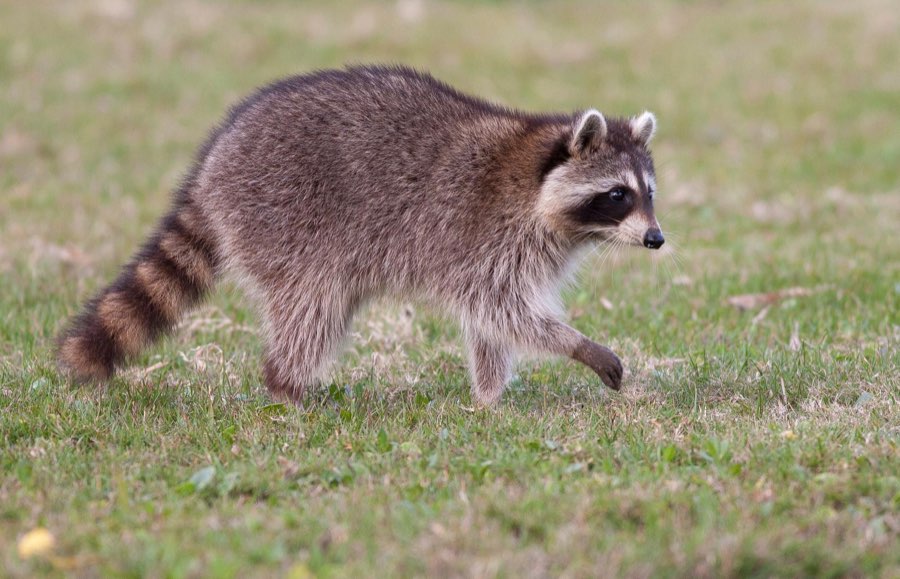
Of the dozen wild species Acorn Wildlife removes from South Jersey homes, the raccoon is the heavyweight: the biggest, the strongest, the smartest, and the one whose removals are most shaped by New Jersey law. This is our complete homeowner's guide, everything we know condensed to one page, from identification through prevention.
How do I know it's a raccoon?
Raccoons announce themselves three ways: heavy, slow movement overhead in the first hours after dark, hand-shaped five-toed tracks in mud or dust, and entry damage that looks pried rather than chewed. If the animal in your attic sounds like a person crawling rather than something scurrying, think raccoon.
The adult raccoon is 15 to 25 pounds in our area, and weight is the diagnostic. Squirrels patter and roll; rats skitter; a raccoon walks, and ceilings transmit every deliberate step. Vocalizations help too: raccoons growl, chirr, and churr, and a litter of cubs makes a distinctive chatter people compare to birds or puppies.
Tracks and droppings
Tracks look like small human hands, 2 to 3 inches, five long toes on both front and rear feet. Droppings are blunt-ended cylinders about the diameter of a nickel, typically deposited in a shared latrine: one corner of the roof, one spot on the attic floor, the crook of a big limb. The latrine habit is unique among our attic species and matters for health reasons covered below.
Entry damage
Raccoons open buildings with their hands. Look for bent-back soffit panels, torn shingles at a roof corner, ripped vent hoods, and gable louvers snapped off. A raccoon needs a gap of about 4 inches and can make one from a weakness a squirrel would need a month to chew. Muddy handprints on downspouts and fascia are the signature.
What is the raccoon year in New Jersey?
The raccoon calendar drives everything about removal timing. Mating peaks in February, gestation runs about 63 days, and litters of 3 to 5 cubs arrive from late March through May. Cubs stay den-bound for 8 to 10 weeks, travel with the mother through summer, and disperse in fall. Winter is den time, not hibernation.
For your house, the calendar means this: a raccoon denned in your chimney in February is very likely a pregnant female selecting a nursery, a raccoon in your attic in May has cubs with her until proven otherwise, and fall removals are the year's simplest because everyone can walk out under their own power. Females also reuse proven den sites across years, which is why sealing after removal is not optional.
What does New Jersey law say about raccoons?
Raccoons are a designated rabies vector species in New Jersey, which puts real limits on what homeowners can do. Trapping is regulated, relocation of vector species across the landscape is prohibited, and the practical, legal path for a raccoon in a structure is a licensed wildlife control operator. We tell homeowners the truth about what that means for the animal rather than a comforting story.
The public-health context is not hypothetical: raccoons are consistently the most frequently confirmed rabid wild animal in New Jersey's annual surveillance from the state health department. That statistic describes the population, not your individual animal, and most raccoons are healthy. But it is why the law treats them differently from squirrels, why bites and scratches always mean a call to your doctor and health department, and why a raccoon showing disorientation, staggering, or unprovoked aggression is an animal control matter, not a wildlife removal booking.
What damage do raccoons actually do?
Raccoon damage concentrates in four places: the entry itself (torn soffits, shingles, vents), crushed and displaced attic insulation, contamination from urine and latrines, and, outside, lawns and trash. A single denning season commonly flattens the insulation across a den area and soaks the deck of the ceiling below.
- Entry damage: pried soffits, torn shingle corners, ripped vent hoods
- Insulation: compressed trails and den hollows that cut its R-value
- Latrines: concentrated droppings with roundworm risk
- Ceiling stains under den and latrine sites
- Outside: turf rolled back for grubs, dumped trash cans, emptied pet bowls
The latrine deserves its own health warning. Raccoon droppings can carry Baylisascaris procyonis, the raccoon roundworm, and the CDC's guidance on cleaning raccoon latrines is specific for a reason: the eggs are hardy, and dry disturbance (sweeping, shop-vacuuming) aerosolizes them. Attic latrine cleanup belongs inside a professional decontamination, not a weekend chore list.
How does professional raccoon removal work?
A raccoon job runs in a fixed order: inspection to find the animal, the entries, and any cubs; removal matched to the season (one-way door or licensed trapping for adults, hand removal and reunion boxes when litters are present); then exclusion, meaning every entry sealed in steel and the work warrantied. Skipping the last step is how the same attic hosts a raccoon annually.
Season changes the middle step completely. From roughly April through July we assume cubs: the inspection confirms them, the cubs are hand-removed to a heated reunion box outside, and the female relocates them to a backup den herself, which is the humane resolution that keeps families intact. In fall and winter, a one-way door usually finishes the removal in days. Acorn Wildlife in Cherry Hill, NJ photographs every stage of raccoon removal in South Jersey and includes the full-home inspection with every job. Maternity work and multiple entry points take longer, so they are quoted after the inspection.
How do I keep raccoons out for good?
Raccoon prevention is structural, not chemical. No repellent, light, or sound device has reliable evidence against a motivated female; steel does. The prevention list is short and nearly permanent: cap the chimney, screen the vents, secure the soffit returns, and manage the food that makes your yard a nightly stop.
- Chimney: commercial stainless cap, checked each fall
- Gable, roof, and exhaust vents: heavy screening behind every louver and hood
- Soffit returns and roofline gaps: sealed with metal, not foam
- Trash: latching lids or bungeed cans, out the morning of pickup
- Pet food and birdseed: in by dark; a nightly bowl is a raccoon retainer
- Trim limbs within 6 to 8 feet of the roofline
A raccoon is out in my yard in daylight. Is it rabid?
Daylight alone, no. Nursing females forage at all hours in spring and summer, and healthy raccoons get displaced by construction and weather. The concerning signs are neurological: staggering, circling, partial paralysis, or fearless aggression. Those mean keeping people and pets away and calling animal control.
Why can't I just trap it and drive it to the woods?
Because New Jersey prohibits relocating rabies vector species, and unlicensed trapping is itself restricted. Relocation also fails on its own terms: studies of translocated raccoons show poor survival and long-distance homing. The legal path is a licensed operator, and the honest conversation about outcomes is part of our job.
How do I know if the raccoon has left my attic?
You mostly don't, by listening: raccoons den quietly for days, especially in cold snaps and around birth. We verify with entry monitoring (paper seals, cameras) before any final sealing. Sealing on a hunch is how cubs end up walled in, which is a tragedy and an expensive one.
Does homeowners insurance cover raccoon damage?
Often partially: many policies cover sudden damage from larger wild animals (torn roofing, ceiling collapse) while excluding the gradual contamination cleanup. It is genuinely better than the zero coverage rodents get, and worth a call to your agent with photos. We document every job in a way adjusters can use.
What do raccoons eat around houses?
Nearly everything, which is the problem: trash, pet food, birdseed, grubs in irrigated turf, garden corn, and compost. A raccoon's nightly circuit is a map of food sources, and houses that remove theirs drop off the route within weeks. Food discipline is half of prevention.
If the evidence in this guide is adding up to a raccoon at your place, Call or Text (856) 398-1028. Acorn Wildlife will confirm what you have, show you photos of what we find, and put the removal, sealing, and warranty in writing.
Related: Raccoon Removal in South Jersey · Raccoon Baby Season in New Jersey